Why your heat pump makes noise in a Nebraska winter

Step 1 of 3: Equipment

That rattling, clicking, or hissing sound from your outdoor unit in winter is most likely frost doing its work. Nebraska winters push your heat pump into defrost cycles over and over, since the outdoor coil picks up frost anytime the air is cold and damp. To clear it, the unit reverses itself for a few minutes, running like an air conditioner in the dead of winter so the coil can shed the ice. That reversal is what you're hearing: a whooshing or hissing as refrigerant flow switches direction, maybe a clunk as a valve shifts, sometimes a burst of steam off the top of the unit. Normal defrost noise is brief and it stops on its own. What's worth paying attention to is noise that doesn't let up, a loud bang, or grinding that keeps going after the cycle ends. That usually points to a failing valve, a worn motor, or ice that isn't clearing the way it should, and that's a job for someone who can get inside the unit and look.

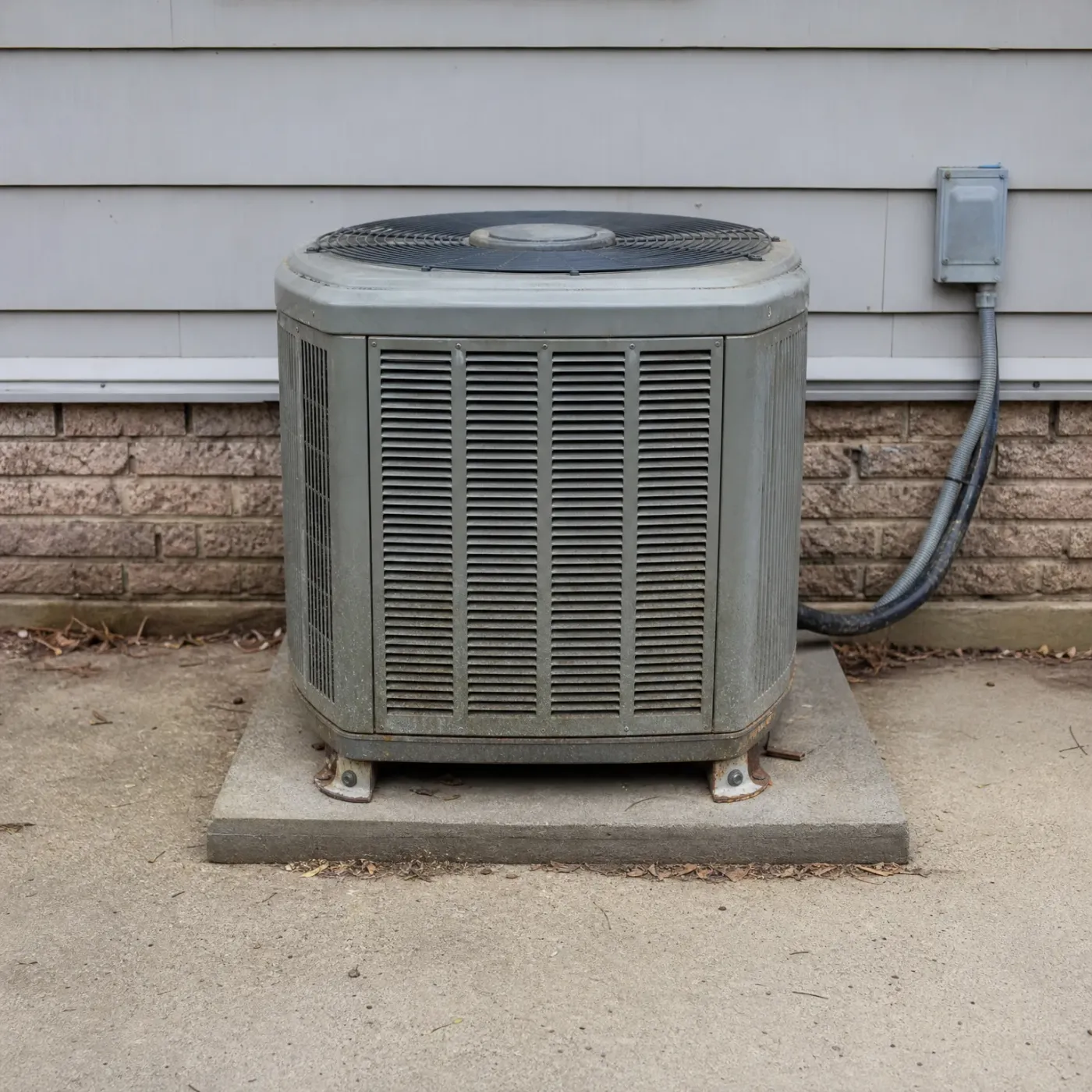
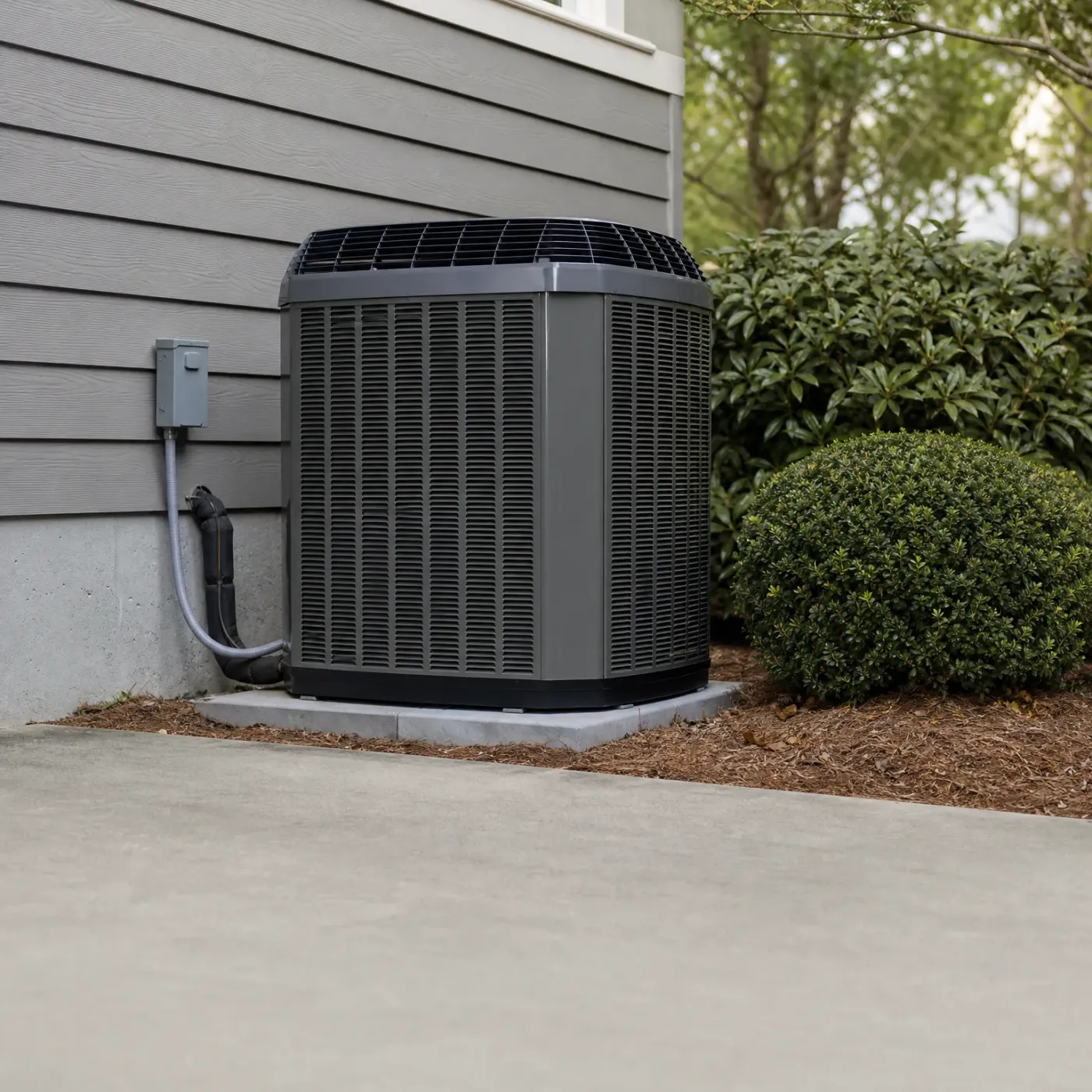
An outdoor condenser unit on a concrete pad beside a gray lap-sided house, with an electrical disconnect box and conduit on the wall and shrubs with mulch to the right.

Normal winter operation

Clicking when the reversing valve switches, a whoosh of air, a low hum while it runs. The fan stops during defrost and the unit might steam as frost melts off the coil. It quiets down and goes back to heating. No burning smell, no grinding.

An outdoor air conditioning condenser unit on a concrete pad beside a house with horizontal siding above a brick foundation, with a flexible conduit running to a wall-mounted disconnect box.

Noise that means trouble

A loud bang, a screech, or rattling that doesn't stop when defrost ends. Ice building up on the coil instead of melting off, or the outdoor fan not spinning at all. Dust and grime caked across the coil fins can be part of it too.

A smiling man in a dark navy sweater sits on a light sofa in a living room, with a glass bowl of popcorn on a wooden coffee table and bookshelves behind him.
A smiling man in a dark green sweater sits on a tan leather sofa in a dimly lit living room, with a bowl of popcorn in the foreground and a kitchen area blurred behind him.
A smiling middle-aged man in a dark shirt sits on a gray sofa in a living room, with a bowl of popcorn on a side table and shelves, a window and kitchen area behind him.
A smiling bearded man in a dark gray t-shirt sits on a gray couch in a living room, with a large glass bowl of popcorn on a wooden table in the foreground.

Defrost cycles run several times a day

Each cycle only lasts a few minutes, but Nebraska cold and humidity can trigger enough of them that the noise feels constant by February.

Request a pro

A grinding or screeching sound means a part is wearing out

That's the reversing valve or the fan motor losing its battle, not frost. A contractor can tell you which one before it fails outright.

Request a pro

Why does my heat pump get so loud in defrost mode?

You hear it every time the unit kicks into defrost this time of year. The fan goes quiet, there's a whoosh or a thunk, maybe a hiss, then it ramps back up. It happens enough times a day in a Nebraska winter that you've started to notice the pattern and wonder if it's actually getting louder, or worse, each time.

The reversing valve and the fan shutting off are what you're hearing

When your heat pump switches into defrost, the reversing valve changes the direction of refrigerant flow so the outdoor coil gets hot instead of cold. That valve makes a clunk or a clicking noise when it shifts. At the same time, the outdoor fan stops spinning so the coil can warm up and melt the frost without blowing cold air across it. That sudden quiet, followed by a whoosh of warm air and some steam off the coil, is the system working correctly. Cold, damp Nebraska air means the coil frosts up often, so you'll hear this cycle run several times through a January night. It should last only a few minutes and settle back into a steady hum.

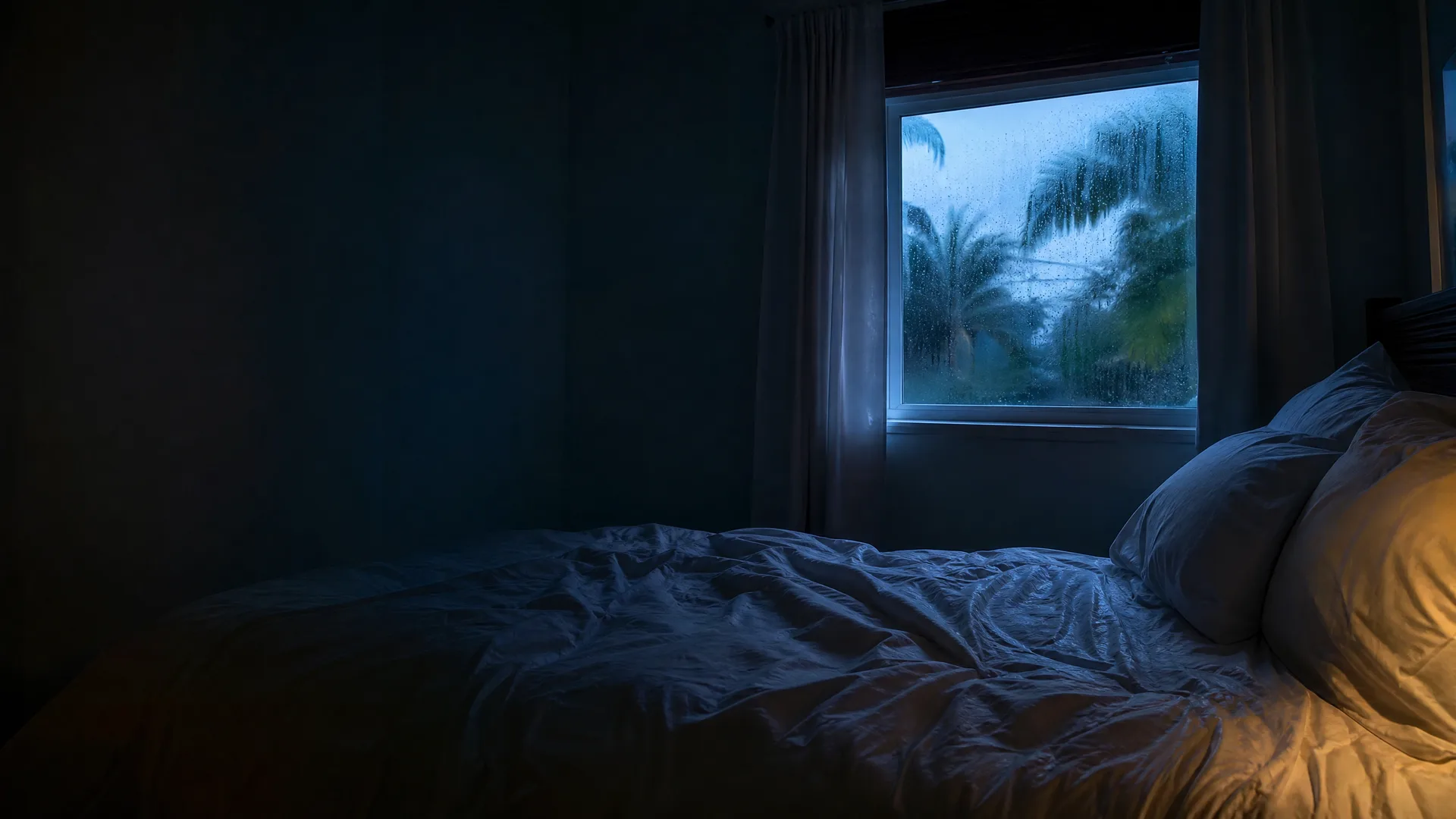
A dark bedroom with an unmade bed and pillows beside a curtained window showing rain-streaked glass and palm foliage outside.

You wake up a little after midnight because the bedroom's gone cold. Not warm-air-stopped cold, more like it never caught up. Outside you can hear the unit clicking through another defrost cycle, then that low hum again as it switches back. You lie there listening to it, waiting to feel the vent start pushing warm air, and it takes longer than it should. The furnace backup kicks in somewhere in the system and you feel the air change. You pull the comforter up anyway. Out the window the outdoor unit sits under a skin of frost, steam coming off one side where it's melting. You've heard this same sequence three or four times tonight already.
Power costs 12.05 cents per kilowatt-hour statewide

At 12.05 cents a kilowatt-hour, running your heat pump through defrost after defrost doesn't hit your bill that hard. The part worth paying attention to is the noise itself. If a cycle drags on longer than it used to, or the sound changes, that's the reversing valve or defrost board asking for a look, not the electric rate.

EIA-861 2025 statewide residential average

A woman in a dark knit turtleneck sweater reclines on a couch under a cream knit blanket, looking down at an open book, with a lit table lamp and framed pictures behind her.
A smiling middle-aged man in a dark green sweater sits at a candlelit table with wine glasses and a plate of greens in a dimly lit interior.
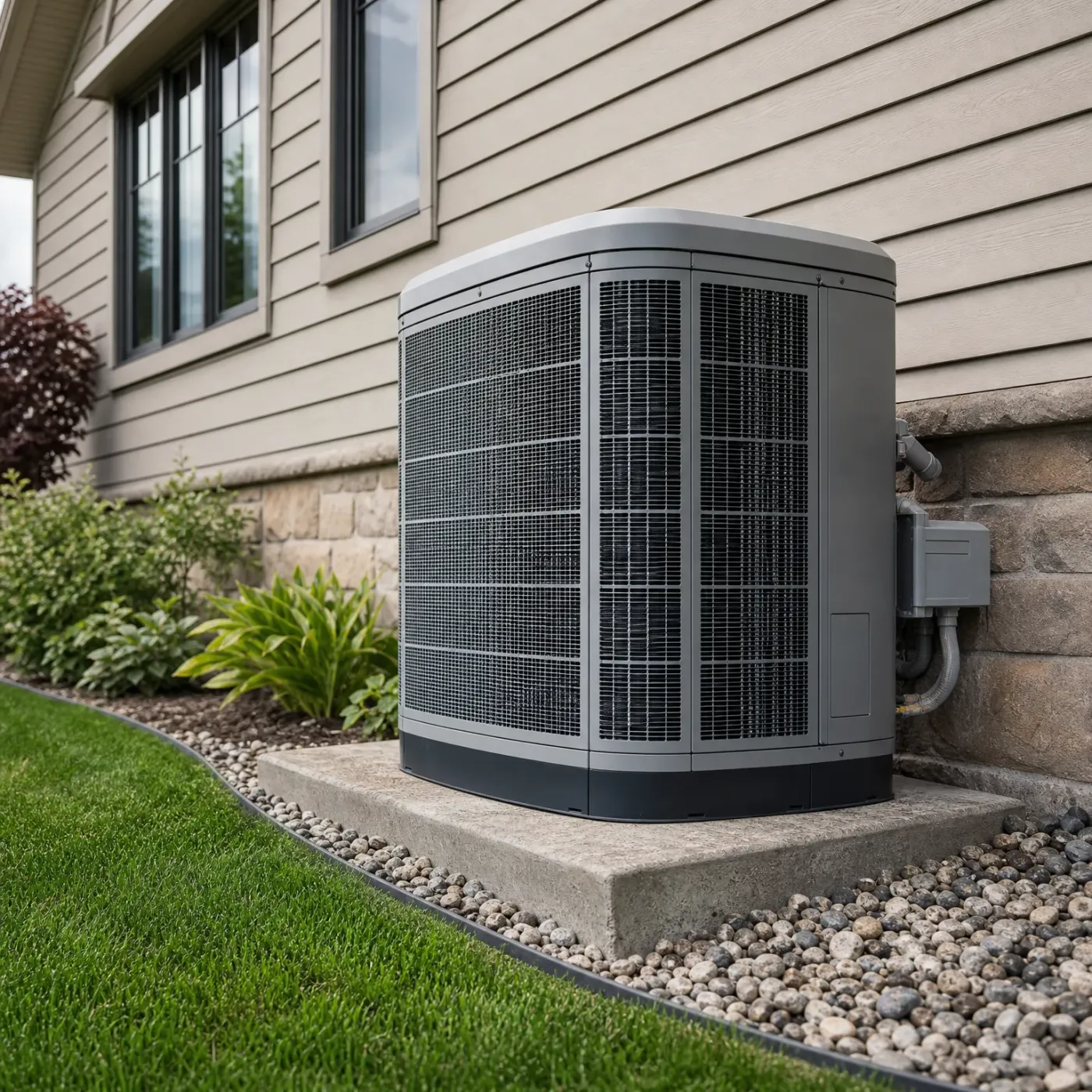
A gray outdoor condenser unit on a concrete pad beside a house with horizontal lap siding and a stone foundation, with a lawn, shrubs and decorative gravel nearby.

Matched to your heat pump job

After this form, you can stop searching for a heat pump pro.

Describe your heat pump job, and a local pro who handles it gets in touch.

I'm done searching

No charge to send it. You decide if you hire them.

Normal Defrost Noise or a Failing Part

Wait it out

  • A defrost cycle runs a few minutes, then the fan kicks back on and the noise stops on its own.
  • The clicks, hums, and whooshing you hear match what the unit sounds like working correctly in cold, damp weather.
  • No burning smell, no grinding, and the heat still comes back once the cycle ends.
  • Each cycle costs little at 12.05 cents a kilowatt-hour, so letting it run its course doesn't hit your bill hard.
  • If the sound and timing haven't changed from last winter, there's nothing here that needs a technician tonight.

Get it looked at

  • A grinding or screeching sound means a part, often the reversing valve, is wearing out rather than just cycling.
  • Defrost cycles that run longer than they used to point to a problem, not normal frost melt.
  • A sound that's new this winter, or that keeps changing, won't fix itself by spring.
  • If the unit stops heating after a cycle instead of switching back on, that's a repair, not a noise to live with.
  • Once you send the form, finding someone to check it stops being your problem to carry.
  1. Moisture in cold air freezes onto the outdoor coil.

  2. A sensor reads the frost and starts the defrost cycle.

  3. The reversing valve switches, sending hot gas to the outdoor coil.

  4. The outdoor fan shuts off so heat stays on the coil.

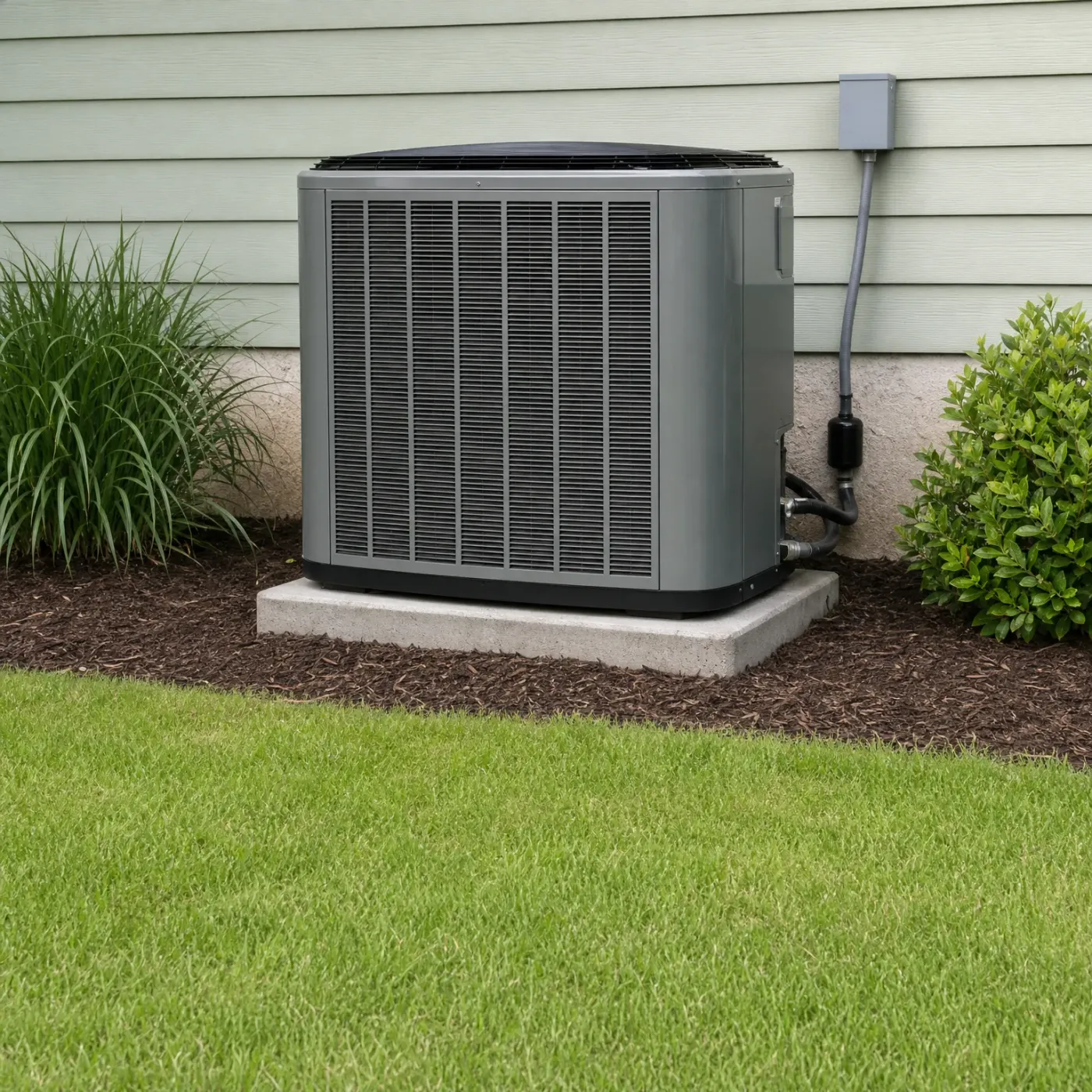
A gray outdoor condenser unit on a concrete pad beside a light-green sided house, surrounded by mulch, ornamental grasses and a shrub, with mowed lawn in the foreground.
Clean fins, clear mulch bed, nothing blocking airflow around the cabinet, so defrost cycles run and shut off the way they should.
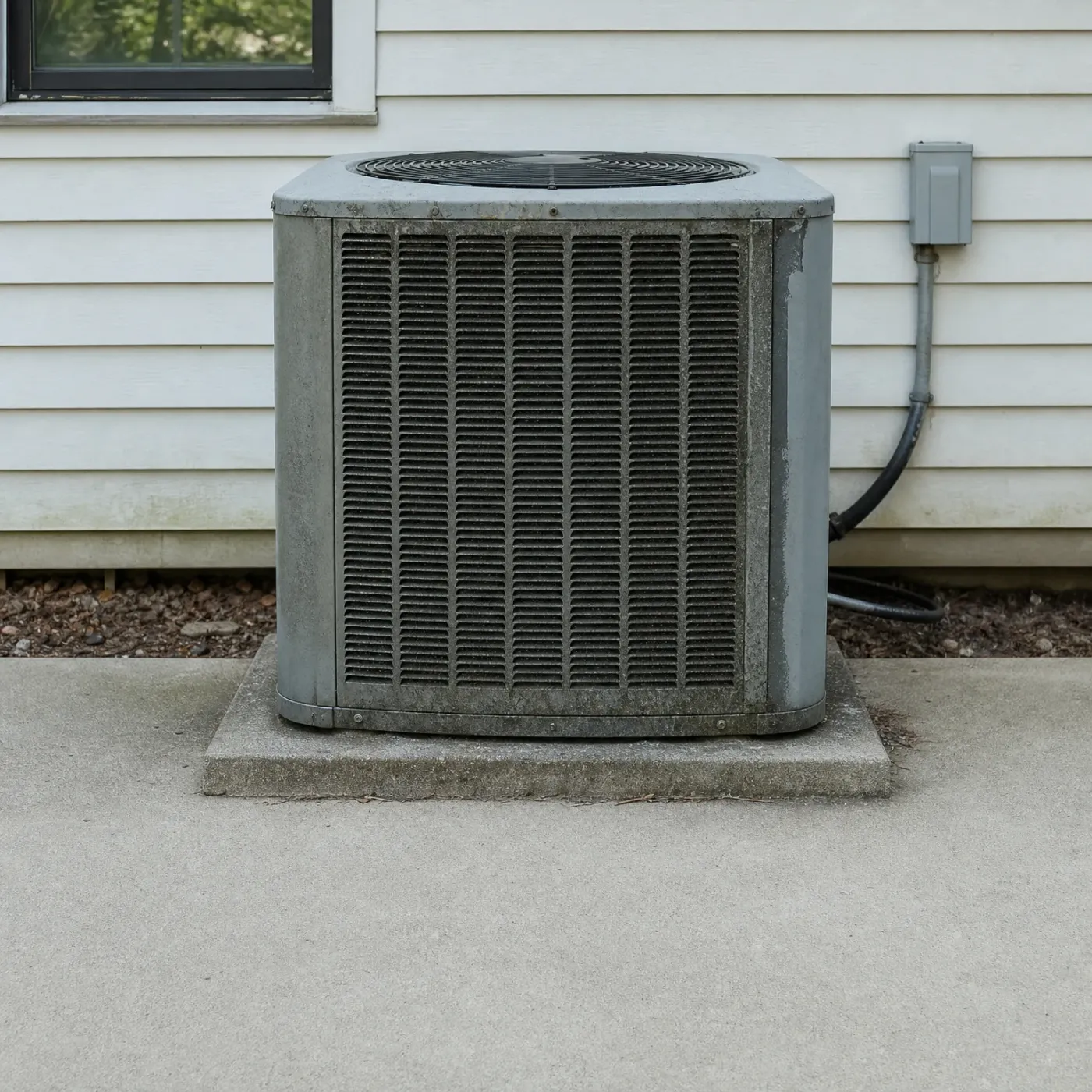
A gray outdoor air conditioning condenser unit on a concrete pad beside a house with light vinyl siding, with a gray electrical disconnect box and conduit on the wall to the right.
Fins packed with dirt and left to weather like this make the unit work harder to shed frost, and that's when the noise sticks around longer than it should.

What the noise is telling you

  • Clicks, hums, and a whoosh of air during defrost are your heat pump working the way it should in Nebraska cold.
  • A grinding, screeching, or burning smell is different and points to a part that needs a technician, not time.
  • Defrost cycles run several times a day all winter and each one ends on its own within minutes.
  • A cycle that drags on much longer than usual, or a sound that changes, is the detail worth having checked.
  • A contractor can confirm in a short visit whether the noise is a normal cycle or a reversing valve or fan motor on its way out.
  • Sending the form hands the search off to someone else, so you are not the one tracking down a technician in the cold.

Most of what you hear out there this winter is your heat pump doing exactly what it's built to do. Cold, damp air leaves frost on the outdoor coil, the unit senses it, the reversing valve switches, and for a few minutes you get clicking, a whoosh, maybe a hiss while the fan sits still. Then it quiets down and goes back to heating. That sequence repeats several times a day whenever Nebraska gives you cold and humidity together, which is most of the winter. None of that wears the unit out faster or shows up on your bill in any way worth worrying about.

What's worth paying attention to is a change in that pattern. A cycle that used to take a few minutes and now drags on, or a sound that shifts from clicking to grinding or screeching, or any smell of something burning. Those point to a part wearing down, usually the reversing valve or the fan motor, and that's a different problem than frost. The unit can't tell you which one you're hearing. A technician can, usually within one visit.

If what you're hearing matches the normal pattern, there's nothing to do but let the cycle finish. If it doesn't, sending the form is the only step that matters. Once it's in, finding someone to look at the unit is no longer something you have to manage yourself.

A lit ceramic table lamp with a linen shade sits on a round wooden side table with a small vase of greenery and a dark shallow bowl, beside a beige upholstered sofa with a cushion and knit throw, below a framed artwork on a pale wall.
Corner of a beige linen sofa with a large woven cushion and a fringed knit throw, beside a potted leafy tree in a woven basket against a neutral wall.
Sunlit interior corner with a wood-framed armchair with beige cushions and a striped pillow, a leafy plant in a tall ceramic pot, a window with wood sill showing green foliage outside, and dark wood flooring.
A lit black path light beside a stone walkway leading to a dark front door of a white clapboard house, with shrubs and flowering plants in the bed at dusk.
A covered porch at dusk with a wooden front door, a lit lantern wall sconce on gray horizontal siding, a black rocking chair with a cream throw, a potted white flowering plant, a coir doormat, and a window showing a lit interior lamp.

A heat pump pro near you

One request and the search for a pro is handled.

Hand it over

There's no charge for the request.