Why your heat pump keeps short cycling in Nebraska
Once you send the form, finding a pro is off your list.
A heat pump that turns on, runs for a couple minutes, then shuts off and starts again a few minutes later is short cycling. In Nebraska that pattern usually shows up hardest during the stretches of sticky summer heat or the cold snaps in January and February, when the system is working its hardest in both directions.
Short cycling wears on the compressor. It also means the unit never runs long enough to actually cool or heat your home evenly, so you end up with rooms that feel off no matter how often it kicks on.
A few things cause it, and they're not the same from one house to the next. A dirty outdoor coil, a low refrigerant charge, a thermostat that's reading the room wrong, an oversized unit that was never matched right to your house. Someone who works on heat pumps in Nebraska through both the humid summers and the hard winters has seen most of these, often enough to know which ones turn up first.
That matters here because a lot of homes in this state heat with gas and lean on the heat pump mainly for cooling, or for the shoulder months in spring and fall. A contractor who knows that pattern knows where to look first instead of guessing their way through a diagnosis built for a climate that doesn't match yours.
You don't have to track down who that contractor is. Send the request through this page and it goes to one licensed contractor local to you, someone who already works on this equipment all season, not a list of five companies calling you back at once. Once you send it, the work of finding the right person for the job is off your plate.
From there it's a straightforward visit: find what's actually causing the cycling, fix that part, and get the system running the way it's supposed to.
Why does my heat pump keep turning on and off?
You've noticed the heat pump kicking on, running for just a few minutes, then stopping and starting again soon after. It's not settling into a normal run. You want to know what's causing it before it either drives up the power bill or leaves the house uncomfortable during a cold snap or a stretch of sticky heat.
Usually a refrigerant or airflow problem, not the thermostat
Short cycling almost always comes down to the heat pump satisfying its sensors faster than it should, or tripping a safety switch early. A low refrigerant charge, a dirty outdoor coil, or a clogged filter all cause this: the system senses it's reached temperature, or senses a problem, and shuts off before it's actually done the job. A bad thermostat sensor or a unit that's oversized for the house can cause the same pattern. In Nebraska, summer humidity and January cold snaps both push the heat pump harder, which is when a marginal problem turns into one you notice. Left alone, short cycling wears on the compressor and raises the power bill, since the unit is working in short, inefficient bursts instead of steady runs.
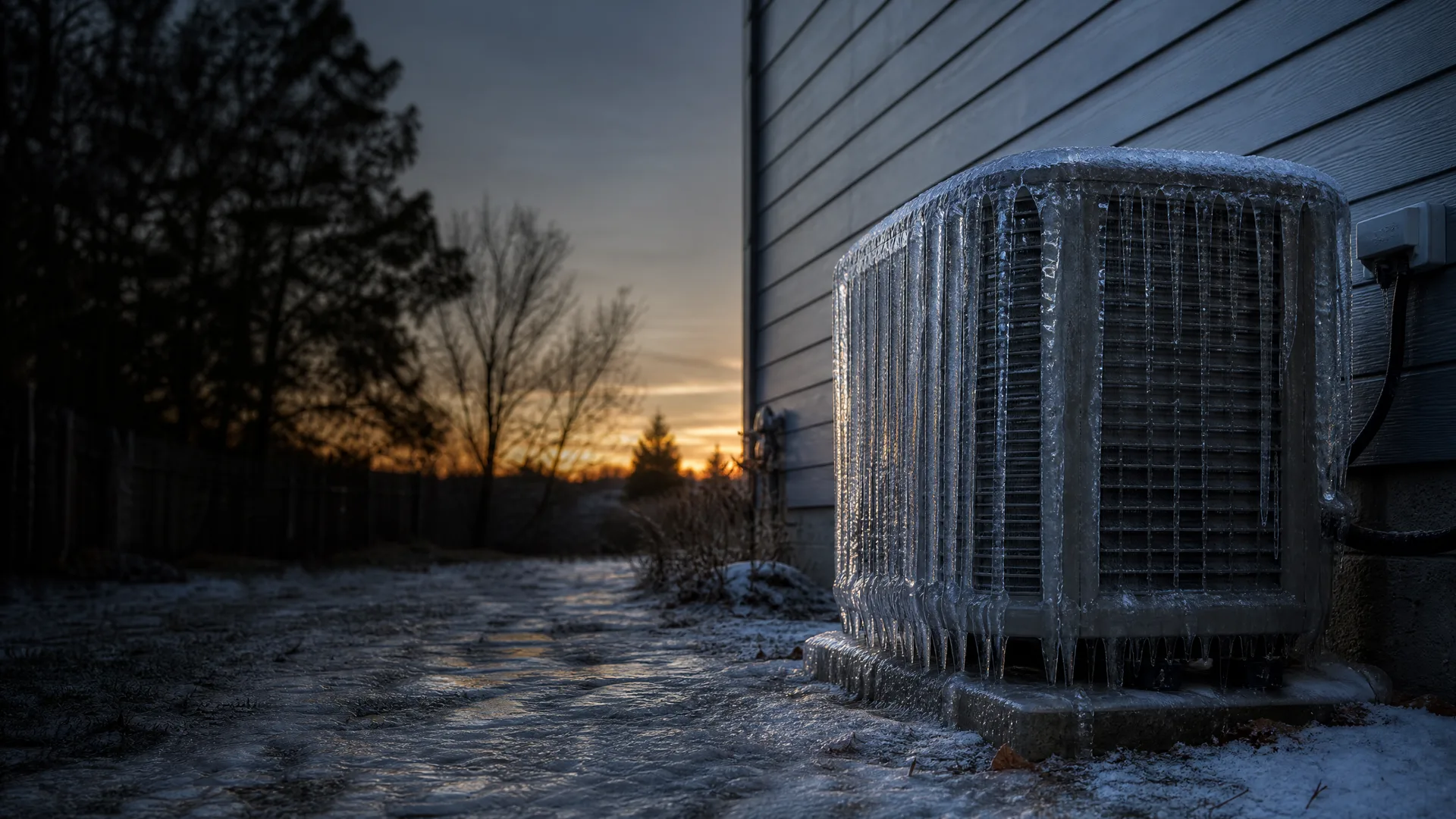
You're up before the sun, letting the dog out the side door, and you see it. The outdoor unit is thick with ice, coating the coil in a white crust that wasn't there last night. The house is still warm, but you can hear the system clicking on and off down in the utility room, short bursts, then quiet. Your breath fogs in the yard. The cold snap that rolled through this week has the unit working harder than it should, and now it can't keep up with its own defrost cycle. You go back inside, pull out your phone, and send in the request. Whoever picks it up next isn't your problem anymore.
Your request goes to one pro, not a list of companies.
Sending the form costs nothing.
A heat pump sized right for your house should run in long, steady stretches, not quick bursts. When it short cycles, it never gets through a full cycle of pulling heat or humidity out of the air.
Each restart puts more wear on the compressor than a normal run does. Left alone through a Nebraska summer or winter, that adds up to a compressor that fails well before it should.
Power costs 12.05 cents per kilowatt-hour statewide
At 12.05 cents per kilowatt-hour, every short cycle on your heat pump adds up faster than it should. Each restart pulls a jolt of power to get the compressor going again, so a unit that's cycling all day runs up your bill even though it's barely keeping the house comfortable.
EIA-861 2025 statewide residential average
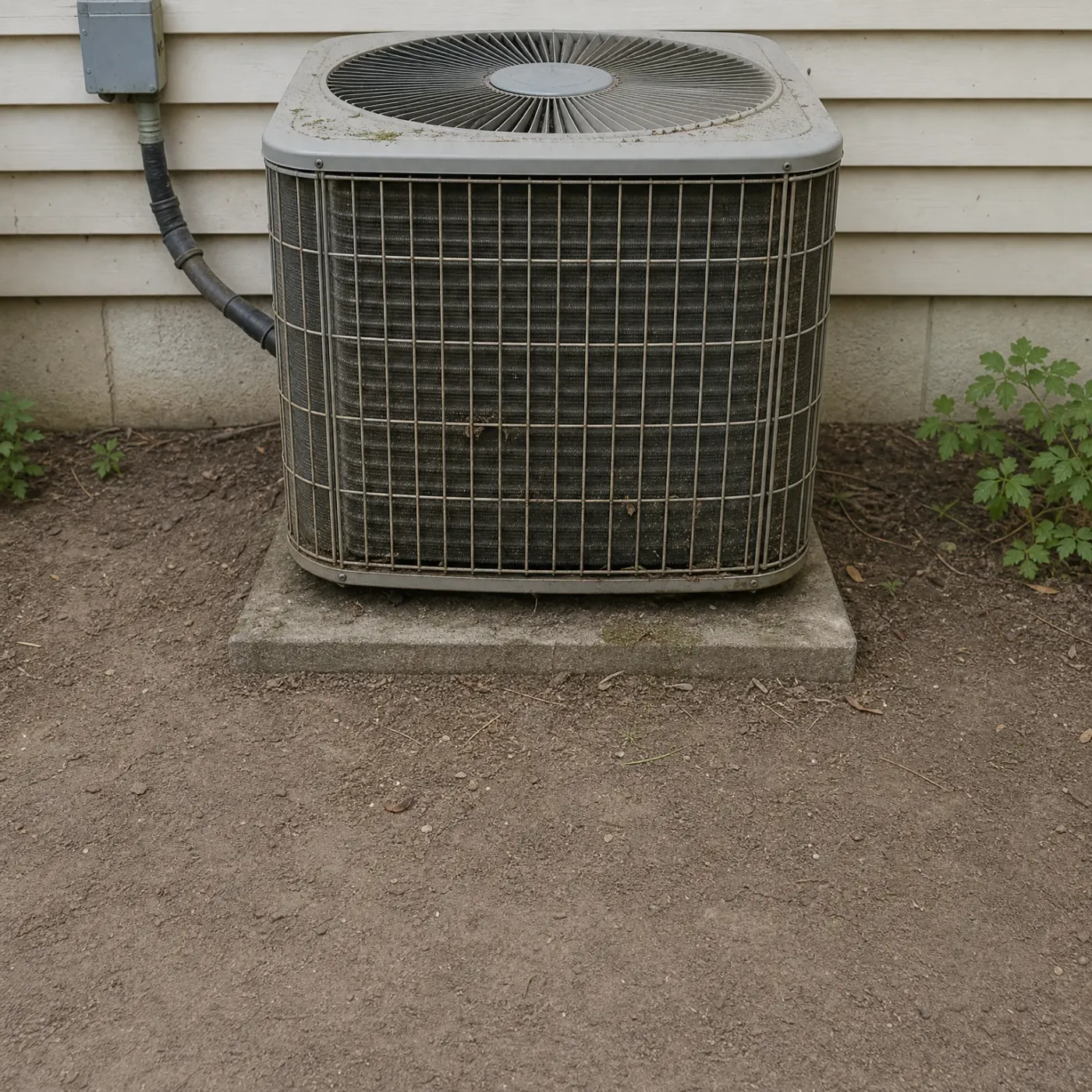
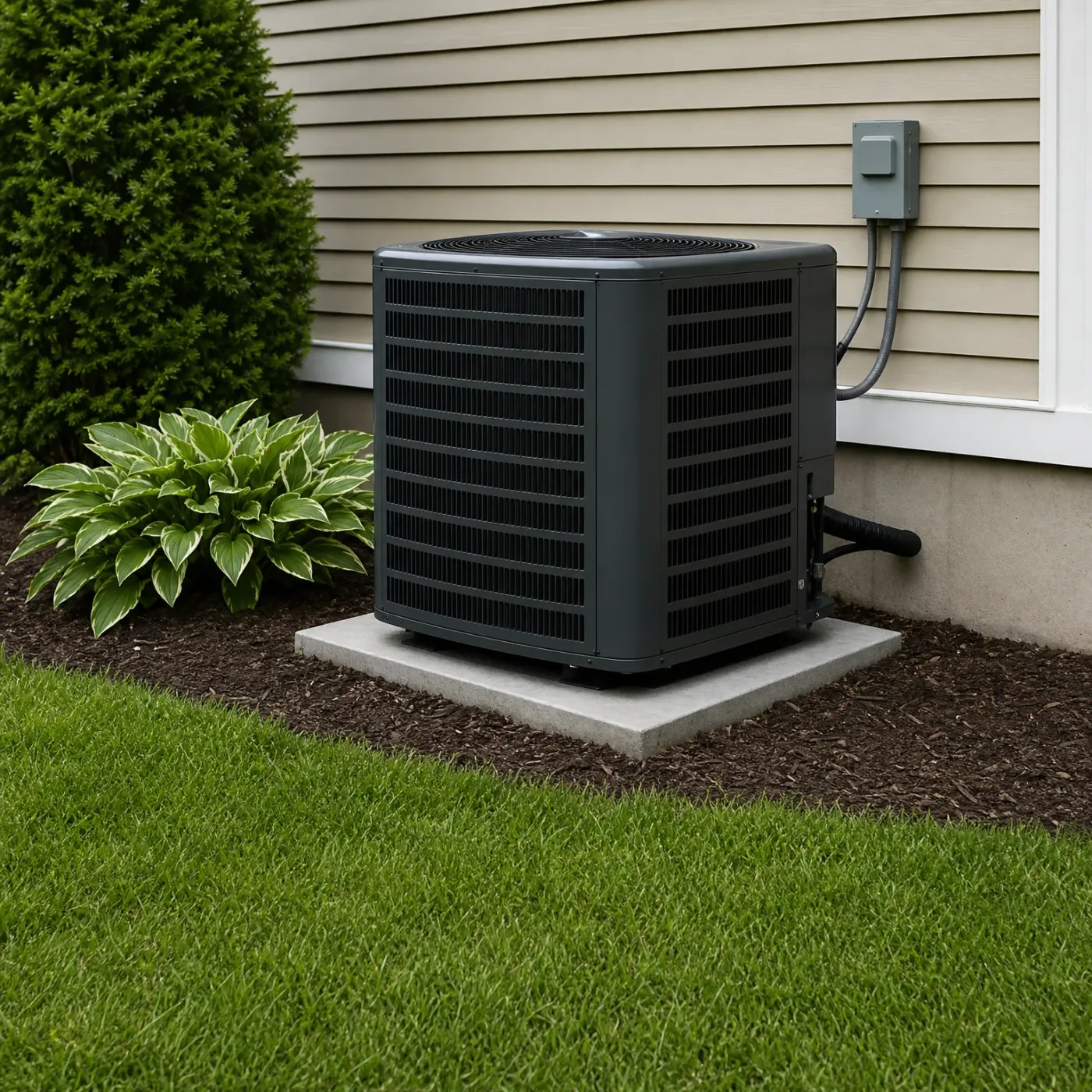
Before you get your heat pump repairAfter you get your heat pump repair
Summer air here holds a lot of moisture, averaging a dew point of 61°F across June, July and August, according to NOAA climate normals. That's heavy, sticky air for your heat pump to pull moisture out of on top of cooling the house. A system that's short cycling never runs long enough to finish that job. You'll feel it as a house that reads cool on the thermostat but still feels damp, with that clammy, sticky feeling on your skin even though the unit keeps kicking on. The coil needs a long, steady run to wring the moisture out of the air, and short bursts don't give it the time.
NASA POWER T2MDEW county cells weighted by homes
What a dirty filter does
A clogged filter chokes off airflow across the indoor coil. The heat pump pulls in a full load of heat but can't move enough air past it to use that heat, so a safety switch trips the system off before it overheats or freezes up. It restarts a few minutes later, hits the same wall, and shuts off again. This is the cheapest cause to rule out and the easiest to fix yourself. Pull the filter and hold it up to a light. If you can't see light through it, that's your answer, and a contractor won't need to touch the refrigerant side at all.
What a failing part does
A weak run capacitor, a sticking contactor, or a thermostat sensor reading the room wrong will cycle a heat pump the same way a dirty filter does, but no amount of swapping filters fixes it. The capacitor can't hold the charge needed to keep the compressor running smoothly, so it kicks the motor off early. A bad sensor tells the thermostat the house is warmer or colder than it is, so it calls for another cycle before the last one finished. These need a multimeter and someone who knows which reading means the part is done, not just low.
What to do about short cycling
Short cycling almost always traces back to one cause: a dirty filter, a bad thermostat sensor, low refrigerant, or a unit that's oversized for the house.
A licensed local contractor who services heat pumps all year in Nebraska has likely already seen your specific pattern of failure before.
Letting the short cycling continue puts more wear on the compressor with every restart than a full, steady run cycle would.
Your request goes to one contractor, not several competing for the job, so you're not fielding a string of calls to sort through.
Once the cause is found, whether it's airflow, a sensor, or the charge, the fix is usually straightforward for someone who works on this equipment regularly.
You don't have to diagnose it yourself before reaching out. That's the point of handing it off.
Short cycling has a cause. It's a dirty filter choking airflow, a thermostat sensor giving the system a bad reading, refrigerant low enough that the compressor can't hold a steady run, or a heat pump that was never sized right for your house to begin with. Whichever it is, the pattern you're seeing, on a few minutes, off a few minutes, points to something specific that a contractor can find and fix.
You don't need to figure out which one it is before you call. That's the part you can hand off. A contractor who works on heat pumps through Nebraska summers and the cold snaps in January and February has run into this exact failure pattern plenty of times. They know what a frosted coil on a short-cycling unit usually means versus a system that's just undersized for the square footage. That kind of familiarity is what makes the diagnosis quick instead of a guessing game.
Your request goes to one licensed, local contractor, not a handful of companies bidding against each other for the job. You send it once and hear back from the one contractor handling it, instead of fielding calls from several trying to get the work.
Left alone, the short cycling doesn't level out on its own. Every restart is harder on the compressor than a full run would be, and the house stays harder to keep comfortable the whole time it continues. Getting the cause found and fixed is what stops both.
Heat Pump Repair
Send one request and you're done looking
Step 1 of 3: Equipment
Describe your heat pump job, and a local pro who handles it gets in touch.
Say what's going on with your heat pump, and a pro who works on them reaches out.
Send the request and finding a pro stops being your problem.
After this form, you can stop searching for a heat pump pro.
Answer a few questions instead of calling shop after shop.
Describe your heat pump job once, to one pro.
Only one pro gets your request, so you hear from one company.