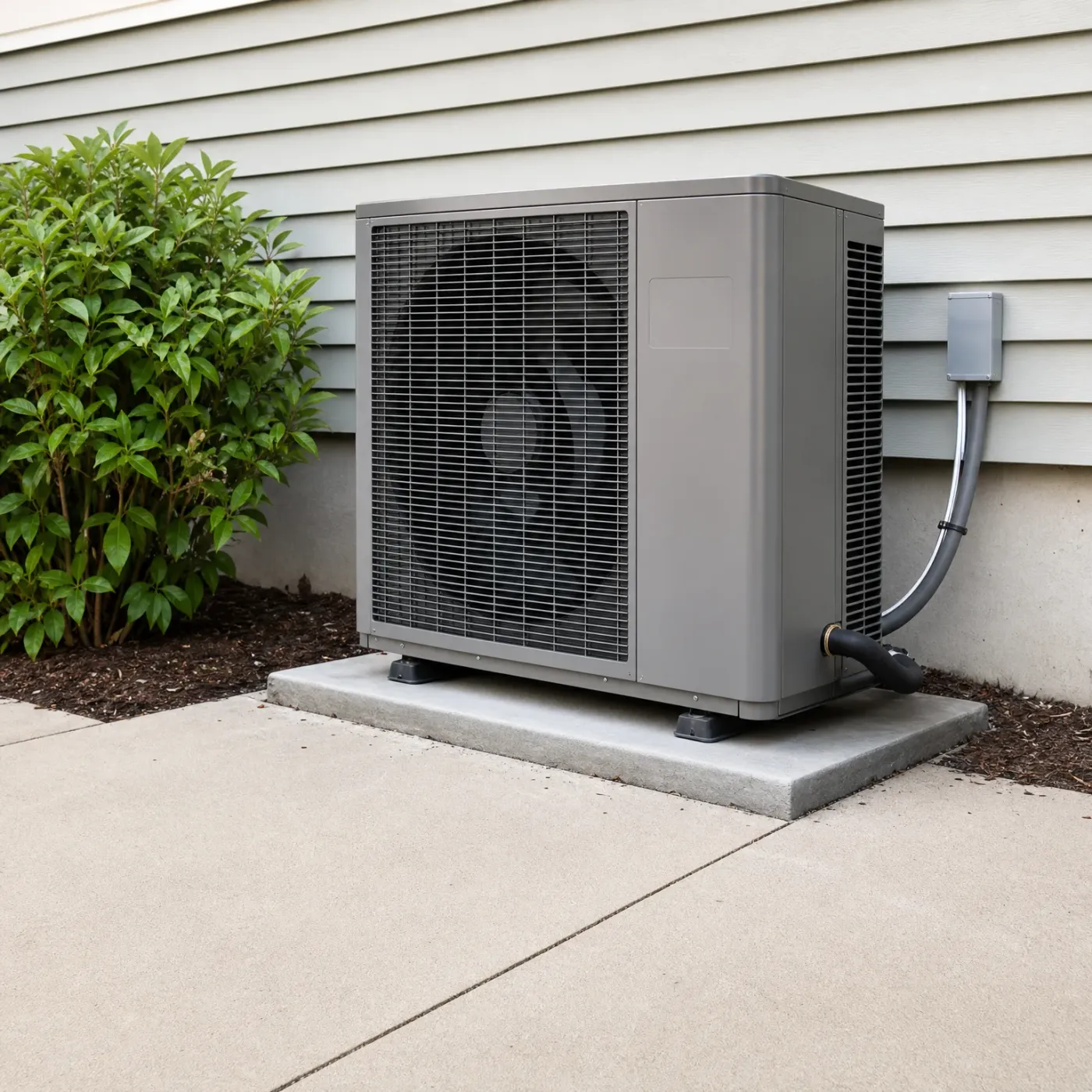
A local installer who puts in heat pumps gets your project.
Sizing a heat pump for a Nebraska home isn't a matter of matching the old unit or picking the next size up. It depends on your square footage, your insulation, your windows, and how your house holds heat when it's below freezing outside. Get it wrong and you end up with a system that short cycles in July or can't keep up when a January cold snap settles in.
Most homes here still heat with gas, so the heat pump is usually doing the summer work and sharing winter duty with a furnace. That changes the sizing math. A contractor needs to know whether the heat pump is meant to carry the whole load down to single digits or hand off to gas once it gets cold, because those are two different systems.
Summers here get sticky, and a heat pump that's too big will cool the air fast without pulling the moisture out of it. One that's too small will run constantly and still leave the house feeling damp. Either way you notice it on the humid days, not the mild ones.
Finding the right size means someone actually looking at your house, not guessing off a chart. That's a load calculation done room by room, accounting for your attic, your ductwork, and how your walls are built. Doing that yourself, or trying to get a straight answer by calling around to five different contractors and explaining your house five different times, takes real time most homeowners don't have.
This page can match you with a contractor who handles installations like yours and get them to reach out directly. No repeating your situation to a string of sales calls, no sorting through quotes that were never scoped the same way to begin with. Just someone who'll look at what you actually have and tell you what it needs.
What size heat pump do I need for my house in Nebraska?
You want a straight number before you call anyone, something to measure a contractor's quote against. Square footage alone gets tossed around a lot, but a heat pump sized that way can end up wrong for a Nebraska winter, when the unit has to keep pulling heat from outside air that's well below freezing for weeks at a stretch.
There's no single size, it comes from a load calculation
A contractor sizes your heat pump with a Manual J load calculation, which weighs your square footage against your insulation, your windows, your ceiling height, and how much of your home's envelope faces the wind. Two houses of the same size can need different tonnage because one loses heat faster than the other. In Nebraska, where winter design temperatures drop well below freezing, undersizing means the backup heat strip carries more of the load than it should, and that backup heat runs on electricity, not the gas furnace most homes here already have. Oversizing causes short cycling, which wears out components faster and leaves the house colder in the corners. The right size is the one the calculation gives you for your specific house, not the one that matches your old equipment.
Why does your heat pump struggle on the coldest days?
If your heat pump runs almost nonstop once temperatures drop into the teens, or the air coming out of the vents feels barely warm, it may be undersized for your house. You might notice certain rooms stay cold while others feel fine, or the system leans hard on backup heat to keep up. Since most Nebraska homes heat with gas, a heat pump that's too small just means more hours spent on the furnace picking up the slack. Go too big instead and summer is where it shows: the house cools fast but stays clammy, because an oversized unit shuts off before it pulls the humidity out of the air. With summers here turning sticky, that's the difference between a house that feels dry and one that feels damp no matter what the thermostat says.
Sized right for the cold
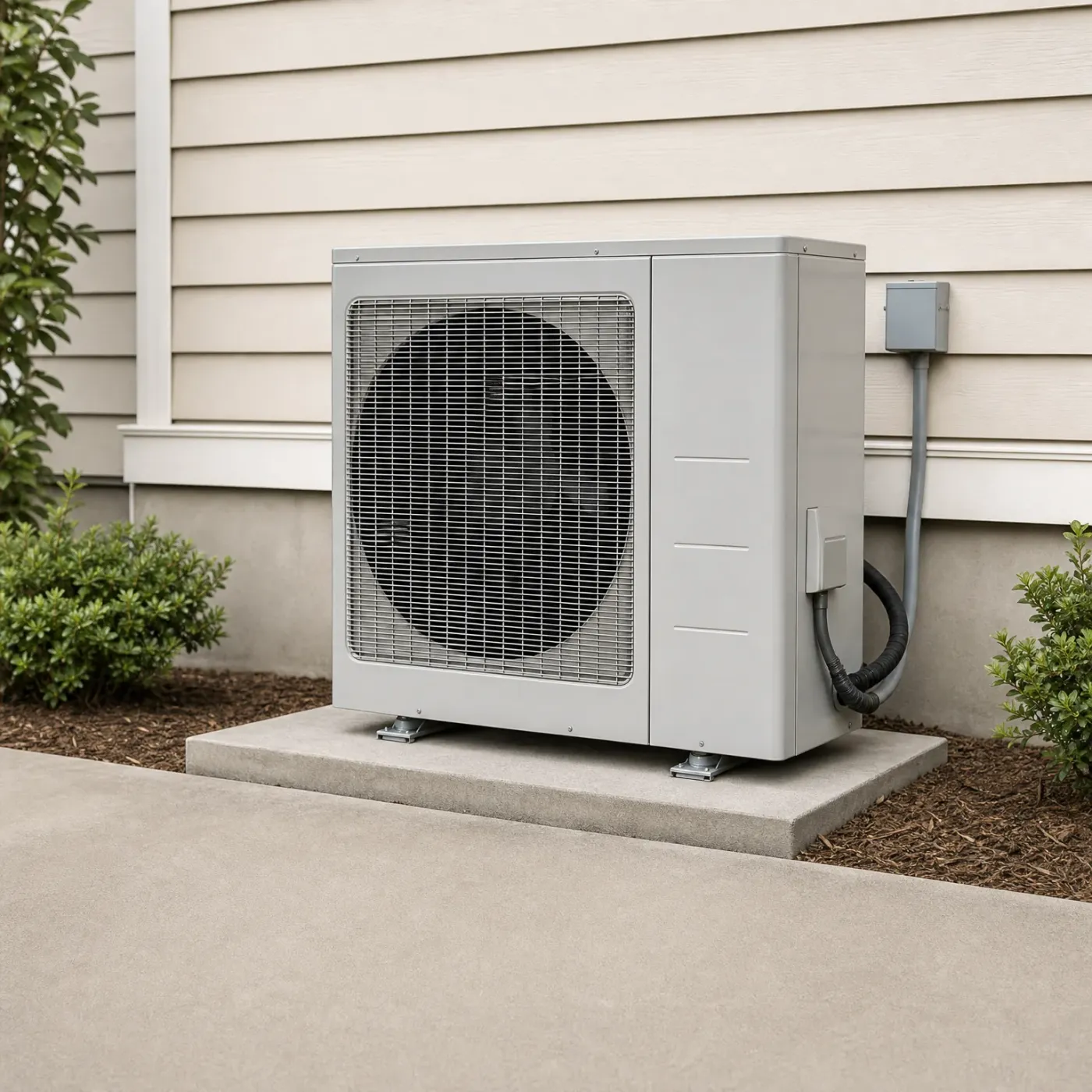
A properly sized heat pump keeps running steady through a Nebraska winter without strain. The outdoor unit cycles the way it should, the lines stay clear, and the house holds its temperature room to room even when it's below freezing outside.
Sized wrong for the house
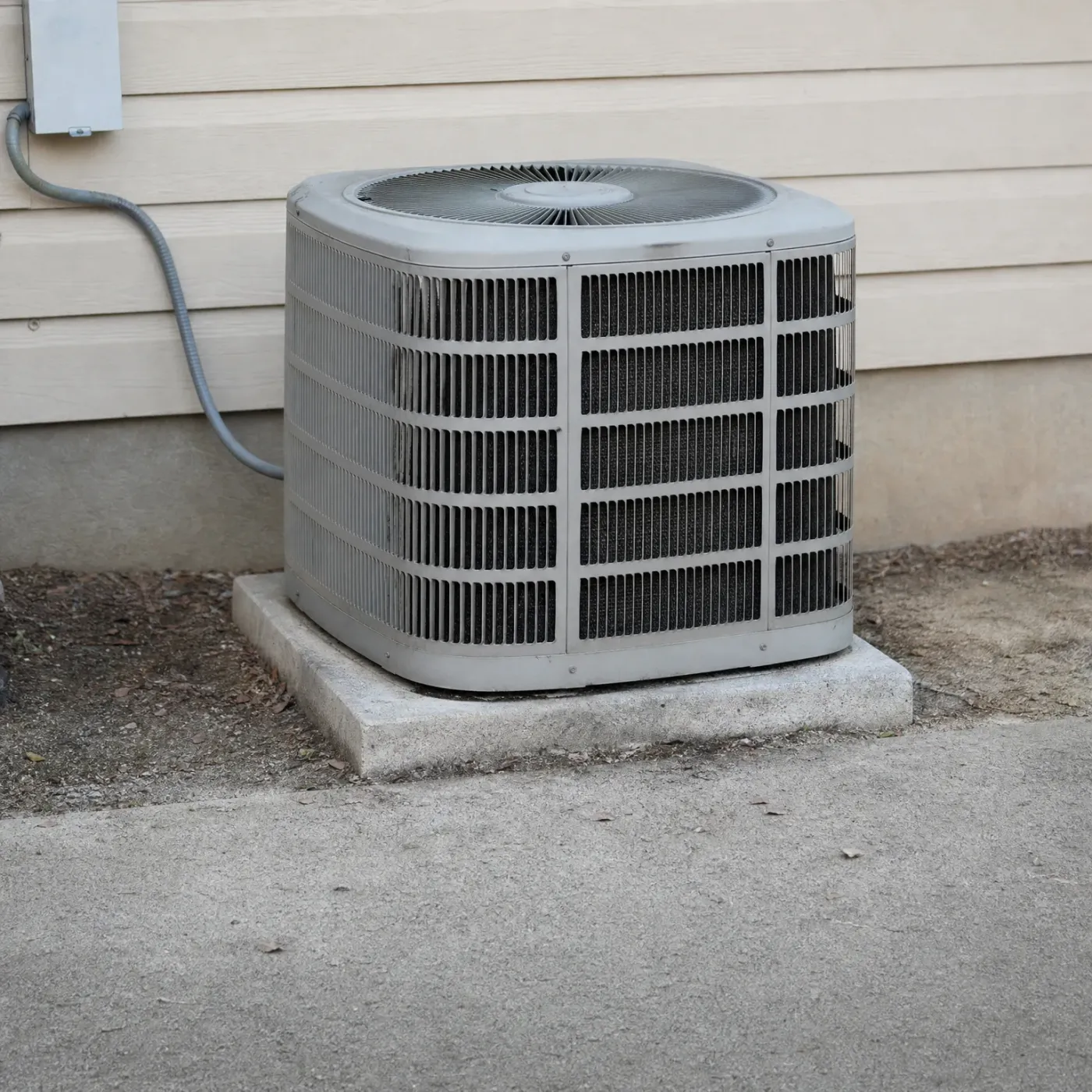
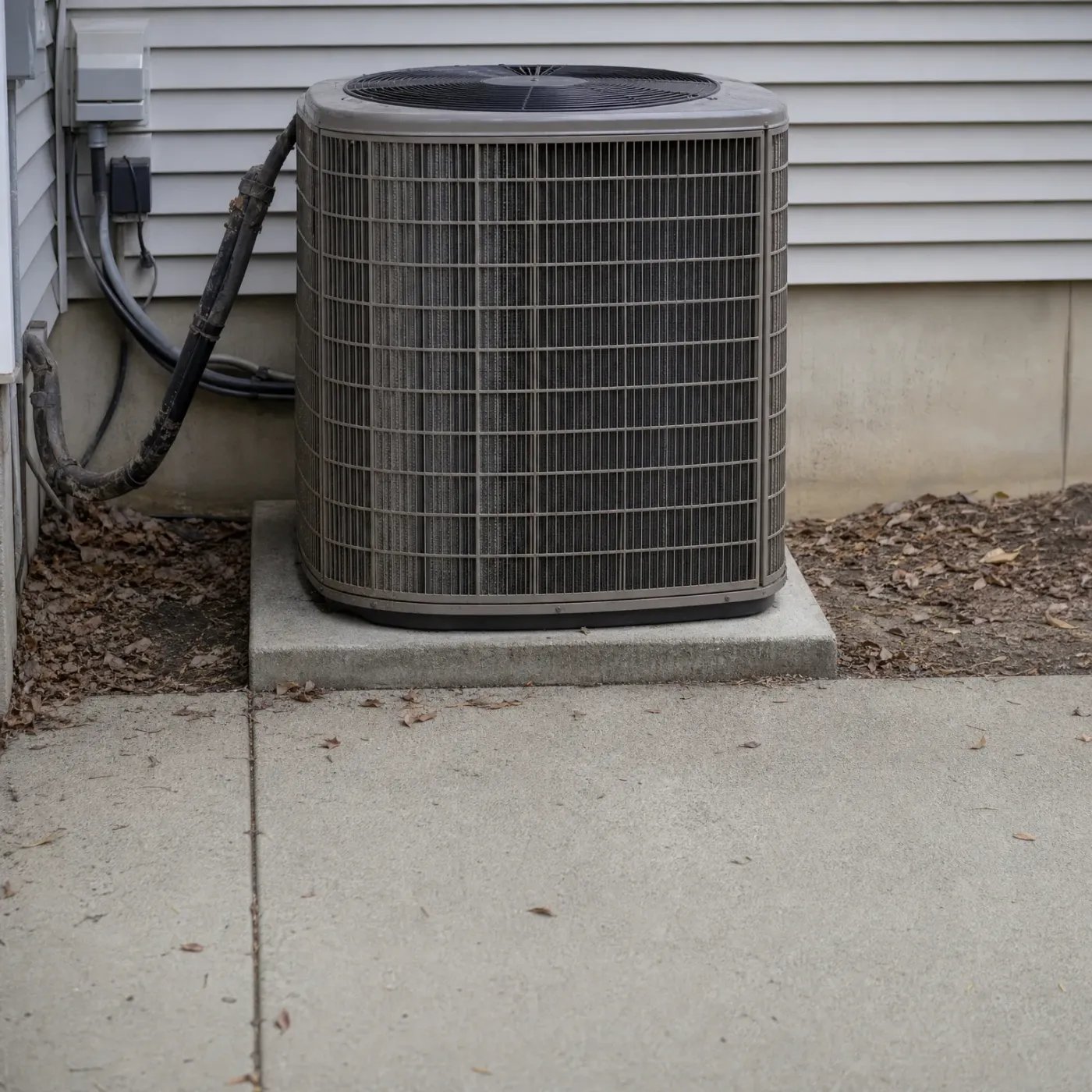
An undersized heat pump works harder than it should just to keep up. It runs long stretches on the coldest days, the disconnect box and wiring carry more load than planned, and rooms farther from the unit end up colder than the rest of the house.
Square Footage Guess vs. Load Calculation
Sized by square footage alone
A contractor quotes a ton count straight from your home's square footage and stops there.
Two houses the same size can need different sized units once insulation and window count come into the math.
A unit picked this way might keep the house warm on a mild January day and fall short at 10 degrees.
Oversizing is a real risk here too, since gas backup heat in most homes means the heat pump only has to cover part of the load.
You get a number fast, but it's not one you can check against anything specific to your house.
Sized with a load calculation
A contractor measures your square footage, counts your windows, and checks your insulation before naming a size.
The calculation accounts for how your house loses heat when it's below freezing, not just how big the rooms are.
It factors in that most Nebraska homes lean on gas furnace backup, so the heat pump is sized for shoulder season and mild cold, not the coldest night of the year.
You get a size with a reason behind every ton, something you can hold a quote against.
It takes longer than a square footage guess, but the unit matches how your specific house behaves in summer humidity and winter cold alike.
A summer dew point averaging 61°F across June, July and August, figured for where homes sit in Nebraska, puts the air on the sticky side of comfortable most of the summer. A heat pump does two jobs when it's running your AC side: it cools the air and it pulls moisture out of it. Heavier air means it has to work longer at that second job to get the house feeling dry, even once the thermostat shows the temperature you set. If the unit is undersized for your house, you'll feel it as a kind of clamminess indoors that doesn't go away even when the air is blowing cold. Getting the sizing right for this part of the state means accounting for that moisture load, not just the degrees on the thermostat.
A heat pump sized wrong for your Nebraska house shows up twice: once in January when it can't keep the far bedroom warm, and again in July when the house feels cool but damp because an oversized unit cools too fast to pull the moisture out of that sticky summer air. Getting the size right means a contractor actually working through your square footage, your insulation, your windows, and how your house holds heat below freezing, not reading off the old unit's label. You could spend an afternoon calling around town, explaining your house to each one, then try to compare quotes that used different assumptions to get to different numbers. Or you can hand that off. A contractor who does this sizing work regularly, matched to your house instead of a guess, reaches out and starts from the numbers that actually apply to where you live, whether gas heat carries most of your winter or the heat pump does.
A heat pump moves heat instead of making it, and that's what makes sizing it different from sizing a furnace. Outside, the refrigerant absorbs heat from the outdoor air, even cold air, then a compressor squeezes that refrigerant until its temperature climbs higher than the air inside your house. The indoor coil releases that heat into the air your blower pushes through the ducts. In summer the cycle reverses, and the outdoor unit's reversing valve is what sends the refrigerant the other direction, so the indoor coil pulls heat and moisture out of the air instead. A unit sized right has enough capacity to keep that cycle moving fast enough to hold your house at temperature even when it's thirty degrees outside, without the compressor running flat out every hour it's on. One sized too small hits its ceiling on the coldest days and can't catch up. One sized too big cycles off before it's run long enough to pull the humidity down, which is its own problem come July.
Before you get your heat pump installationAfter you get your heat pump installation
What your balance point tells you
Every heat pump has a balance point, the outdoor temperature below which it can't pull enough heat from the air to keep up with your house's heat loss on its own. For most Nebraska homes that point lands somewhere in the teens or low twenties. A correctly sized heat pump holds that balance point close to where your backup heat kicks in, so the two systems hand off smoothly. A unit sized too small drops into backup heat far more often than it should, and you end up paying for strip heat or your furnace to do the job the heat pump was bought to do.
Checking a contractor's number
A load calculation, often called a Manual J, gives a number in BTUs per hour that accounts for your square footage, your insulation, your window count and your local winter design temperature. Ask whichever contractor you call whether they ran one or whether they sized off square footage and a rule of thumb. The answer tells you a lot before the unit ever gets installed. Two homes of the same size in the same Nebraska town can need different tonnage once wall insulation and glass are factored in, and a quote that skips that step is a guess wearing a number.
Power costs 12.05 cents per kilowatt-hour statewide
At 12.05 cents per kilowatt-hour, running a heat pump here costs less to operate than in most states. Sizing still has to be right: too big and it short-cycles, too small and the backup heat kicks in more than it should, either way pushing your bill past what the rate alone suggests.
EIA-861 2025 statewide residential average
Getting the size right
A heat pump sized to your square footage, insulation, and windows keeps up on the coldest days without leaning hard on backup heat.
A unit that's too big cools the house fast in summer but leaves the sticky air behind, undoing what it's supposed to fix.
A unit that's too small runs close to nonstop once temperatures drop into the teens and still leaves some rooms cold.
Your balance point tells you how much of the winter your heat pump can handle on its own before backup heat has to step in.
Cheap power here means a right-sized heat pump costs less to run, but sizing mistakes still show up on the bill.
Matching a contractor who sizes the unit to your house, not just the old equipment, is what keeps both seasons comfortable.
There's no shortcut that replaces a load calculation. Square footage gets you in the neighborhood, but insulation, window count, and how your house holds heat below freezing decide the actual number. Skip that step and you end up with one of two problems. Too small, and the unit runs almost nonstop once it's in the teens outside, with backup heat carrying more of the load than it should and some rooms never quite catching up. Too big, and summer gets strange: the house cools fast but stays damp, because a unit that shuts off before it finishes a cycle never pulls enough moisture out of air that's sitting at a dew point most people would call sticky. Your balance point is the number that ties this together. It's the outdoor temperature where your heat pump stops being able to cover your house's heat loss by itself. Below that, backup heat fills the gap. A unit sized right for your home pushes that point lower, meaning it carries more of the winter on its own. With power priced the way it is here, a right-sized heat pump already runs cheaper than it would most other places. Get the sizing wrong, though, and that advantage narrows fast, either from backup heat running more than it needs to or from a unit that short-cycles and never settles into steady operation. The number worth having before anyone quotes you a system is the one built from your house, not the one built from the old unit.
Heat Pump Installation
Get the right pro for your heat pump
Skip collecting and comparing quotes for the new heat pump.