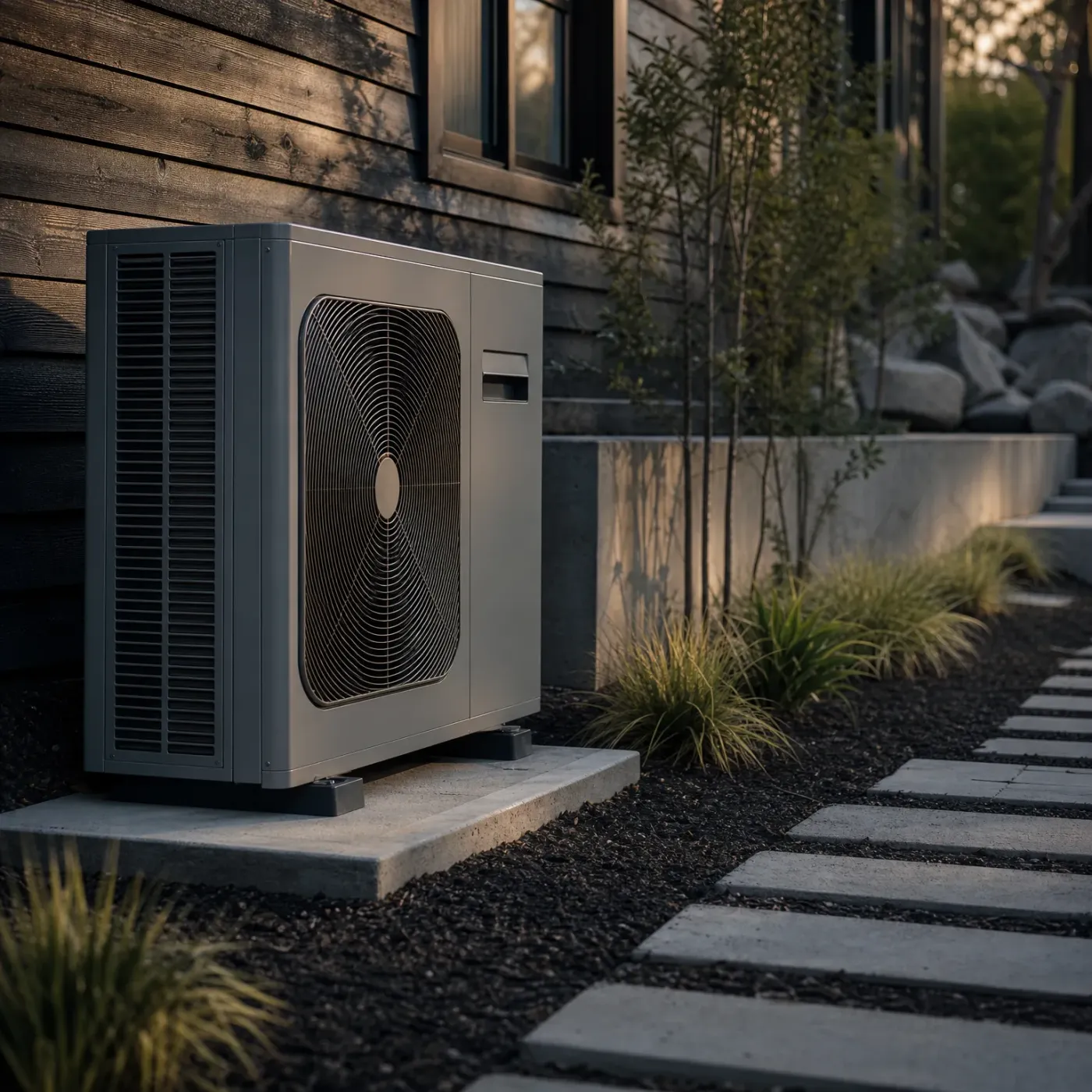


A gray outdoor heat pump unit with a circular fan grille sits on a concrete pad beside a dark wood-clad house, next to a gravel bed with ornamental grasses and a stepping-stone path.

A local pro for your heat pump repair

What defrost mode means on a Nebraska heat pump

Your heat pump's outdoor unit is blowing steam and the fan has stopped, and you're wondering if that's normal or if something's wrong. This page explains what defrost mode is, why a Nebraska winter triggers it, and what it means for your heat going quiet for a few minutes. If it's not acting right after reading this, you can get matched with a contractor who'll look at your specific unit and reach out to you.

Get matched

Defrost mode is your heat pump melting ice off its outdoor coil. Through a Nebraska winter, that coil runs cold enough to pull moisture out of the air, and in damp or freezing conditions that moisture turns to frost on the metal. Frost blocks airflow, so every so often the system reverses itself for a few minutes, sends warm refrigerant outside to melt it, and the outdoor fan stops while that happens. That's why you see steam. It's the ice turning to water vapor, not smoke and not a fault. Inside, you might notice the air coming from your vents turn cool or the system pause heating during that stretch. That's normal too, and it should return to heating on its own once the coil is clear. What isn't normal is if that cycle runs long, happens often, or your home can't hold its temperature through it. That points to a problem with the defrost control, a sensor, or the system's refrigerant charge, and it's worth having someone look at before a cold snap makes it worse.

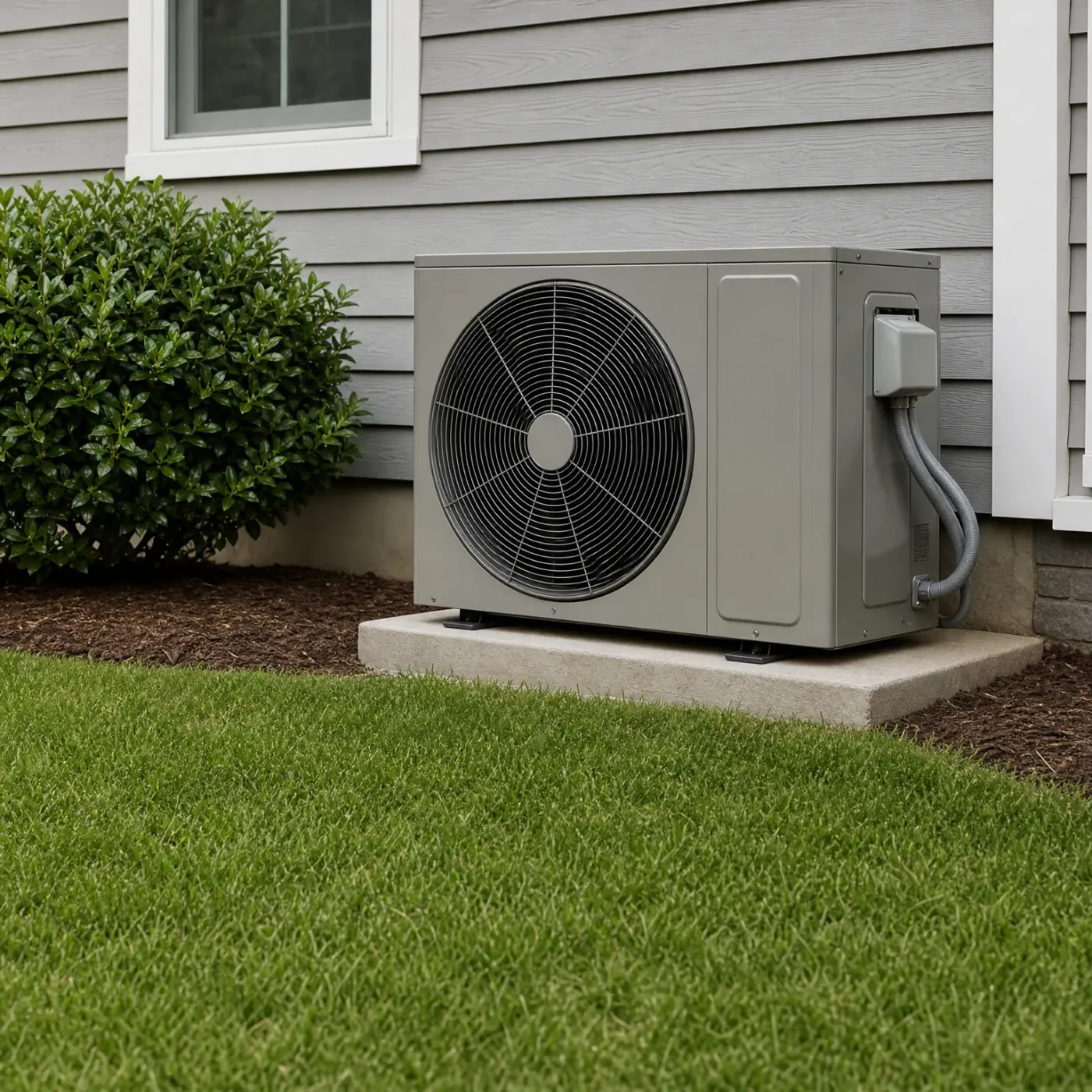
A gray outdoor heat pump unit with a large fan grille sits on a concrete pad beside a house with horizontal lap siding, next to a green shrub, mulch bed, and lawn.
Steam rising off the coil, the fan stopped, then running again a few minutes later is the cycle working the way it should.
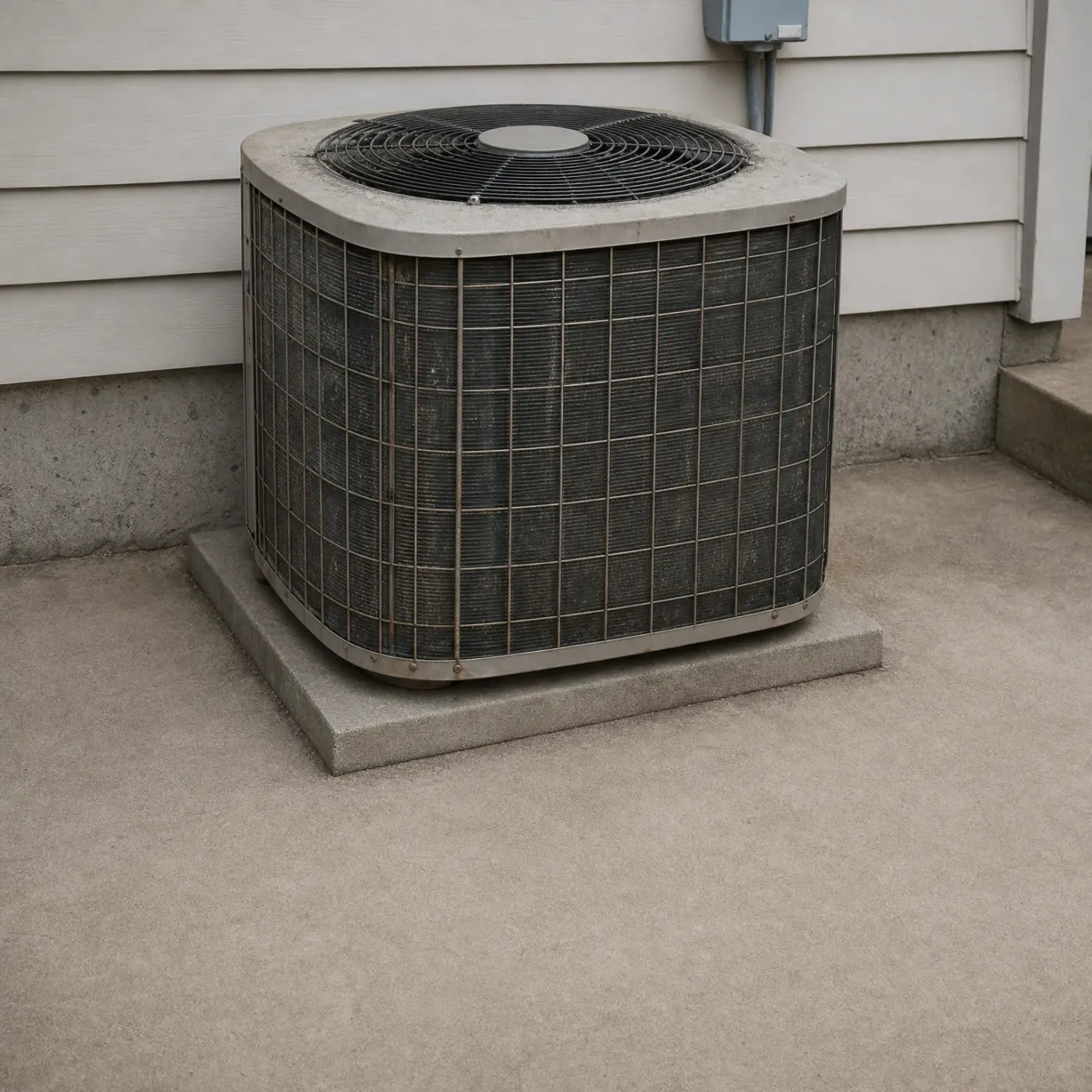
An outdoor air conditioning condenser unit with a top fan grille sits on a concrete pad beside a house with horizontal siding and a concrete step.
Fins caked dark with dust and buildup make a normal defrost cycle run longer and harder than it needs to.

Your heat pump watches its own outdoor coil with a sensor built for this. Once that coil gets cold enough to start icing over, usually somewhere in the low 30s, the system flips a reversing valve and starts sending hot refrigerant outside instead of in. That's why the outdoor fan cuts off at the same time. Running the fan while the coil is trying to warm up would just blow cold air across it and work against the whole point. While that's happening outside, something has to cover for the heat you're not getting from the outdoor unit. That's where your heat strips or your gas furnace come in, running for a few minutes so the air out of your vents stays warm instead of going cold. None of this runs on a stopwatch. A timer or a second sensor reads the coil and ends the cycle once it's actually clear of ice, then the valve flips back and the outdoor fan comes back on. Most cycles are done in under fifteen minutes.

How Defrost Mode Actually Works

  • A sensor on the outdoor coil tracks its temperature and tells the system when ice has started to build up.
  • Once that coil drops into the low 30s or colder, a reversing valve flips and sends hot refrigerant outside instead of in.
  • The outdoor fan shuts off during this so it isn't blowing cold air across the coil while it's trying to warm up.
  • Indoors, a set of heat strips or your gas furnace kicks in for a few minutes so the air coming out of your vents doesn't turn cold.
  • The cycle usually runs its course in under fifteen minutes, then the reversing valve flips back and the outdoor fan starts again.
  • A timer or a second sensor ends the cycle once the coil reads clear of ice, not on a fixed schedule alone.
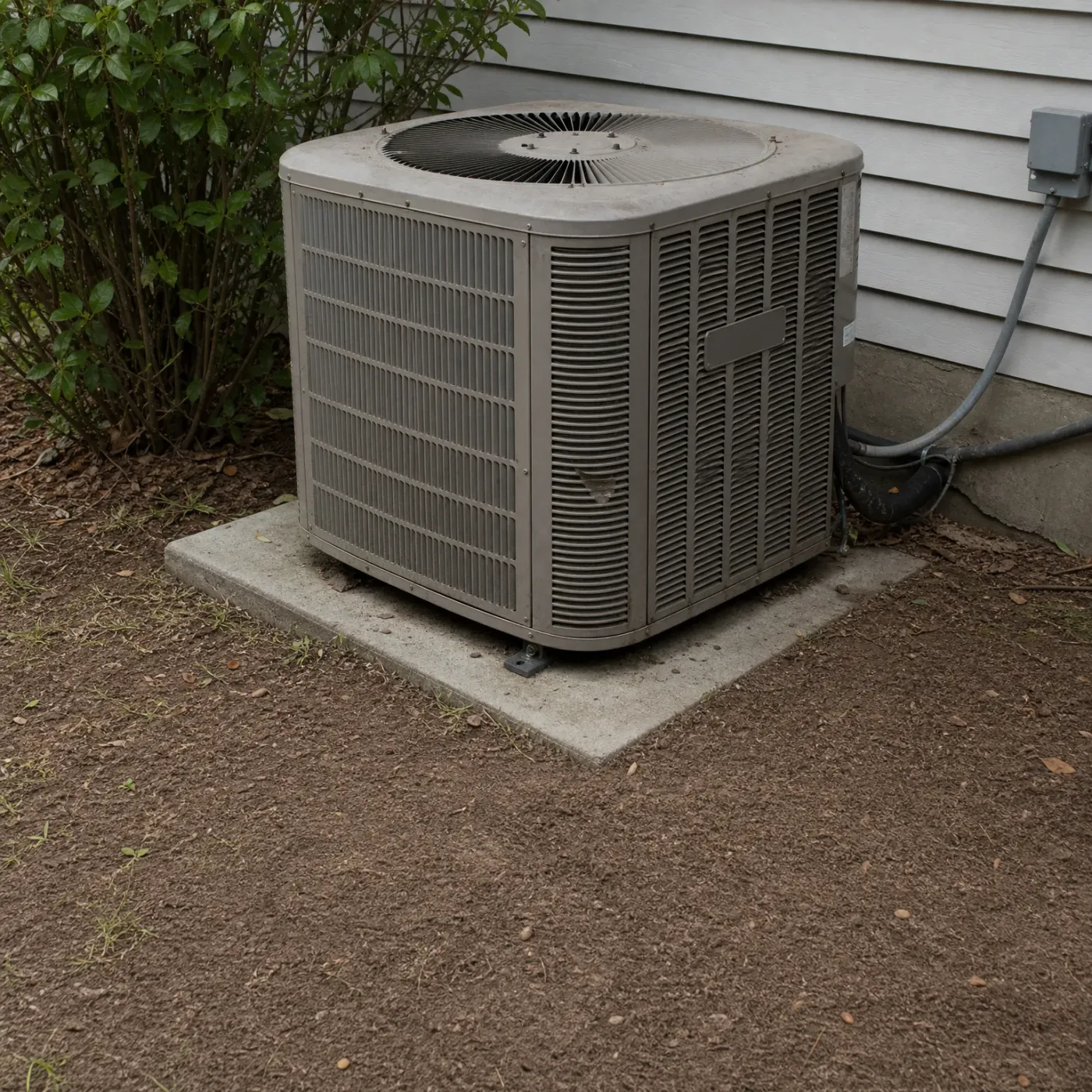
An outdoor air conditioner condenser unit on a concrete pad beside a house with horizontal lap siding, with a shrub to the left, bare dirt in front, and conduit and a metal disconnect box on the wall.
Before you get your heat pump repair
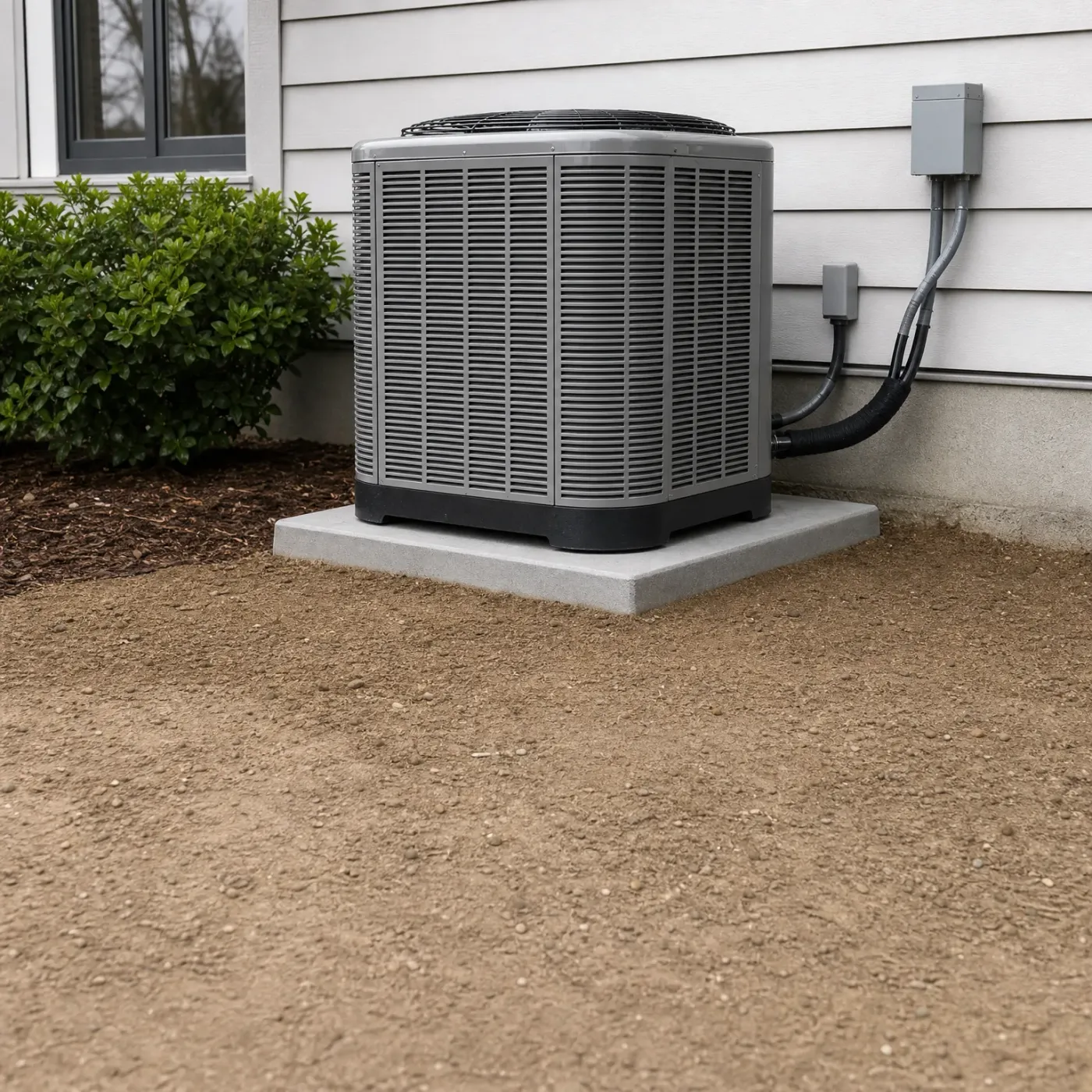
A gray outdoor condenser unit on a concrete pad beside a white horizontal-siding house, with refrigerant lines and conduit running to a wall-mounted disconnect box, bare soil in front and a green shrub at left.
After you get your heat pump repair
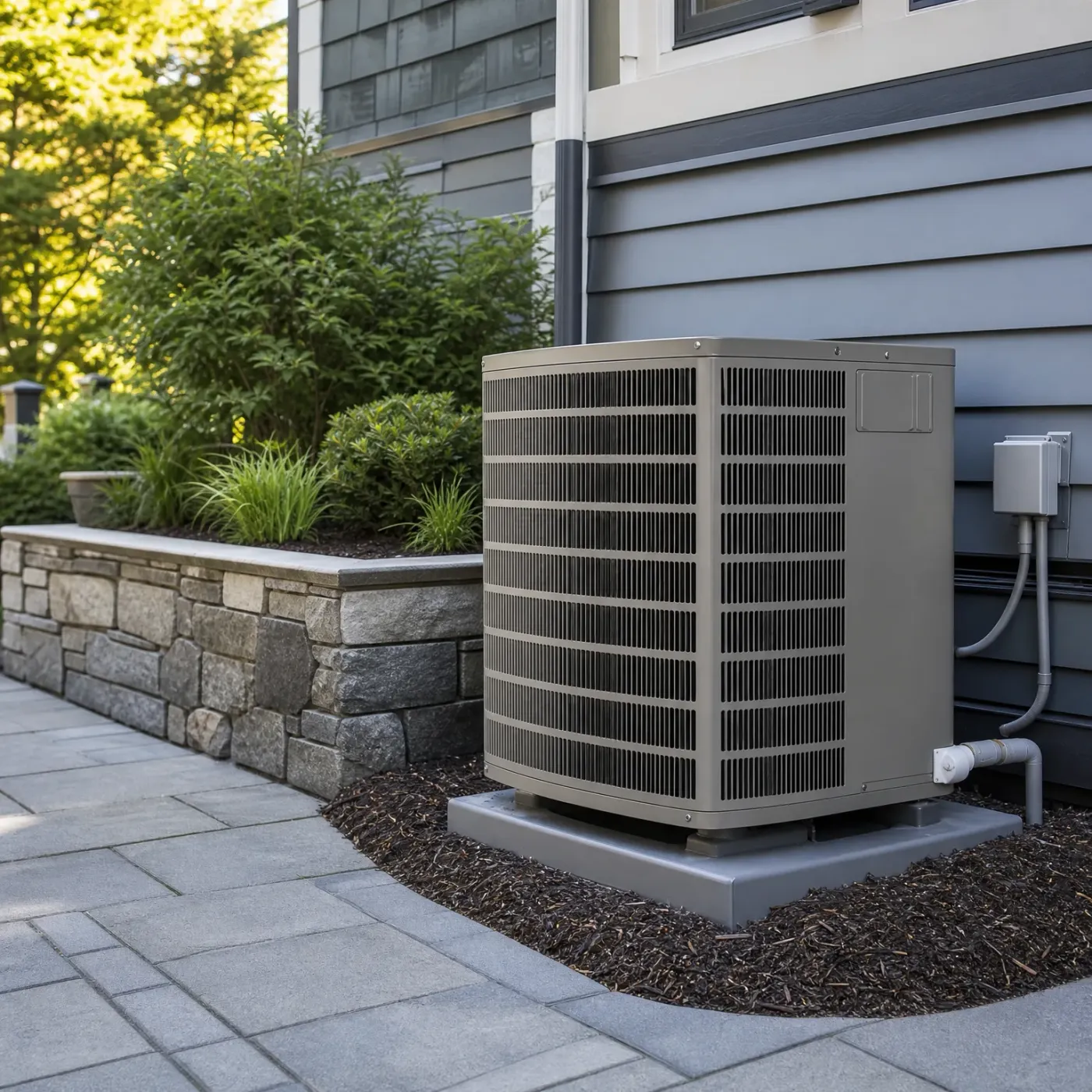
A beige outdoor condenser unit on a gray pad beside a house with gray horizontal siding, with refrigerant lines and an electrical disconnect box on the wall, bordered by dark mulch, a stone retaining wall with shrubs, and a paver walkway.

Get the right pro for your heat pump

One request and the search for a pro is handled.

A local pro who knows heat pumps gets your details and gets in touch.

Find a heat pump pro

There's no charge for the request.

A man seen from behind raises his hand to wave at a woman standing in the open front doorway of a single-story house with gray shingle siding, white columns and a gabled porch entry.

What a long defrost cycle costs you inside

While the outdoor unit is in defrost, it isn't heating your house. The system switches to auxiliary heat or just coasts for a few minutes, and most households don't notice one cycle. What you notice is a heat pump that seems to run defrost over and over through a cold snap, or one where the fan outside never comes back on after the steam clears. That's the cycle not finishing, and it means less heat getting to your rooms when you're already running the furnace as backup less than you'd like to.

A heat pump stuck in defrost too often is also running up your bill even with power priced the way it is in Nebraska, because auxiliary heat is picking up the slack electric resistance style. If you've watched this happen more than once this winter, or the fan outside looks frozen in place instead of idle, that's worth having someone look at before the next cold stretch. Send in what you're seeing and a contractor who works on heat pumps in your area will follow up, so you're not the one tracking down who's free and who isn't.

A gray upholstered sofa with a textured cushion sits beside a dark round side table holding a vase of green foliage, with a table lamp and sheer-curtained window behind.
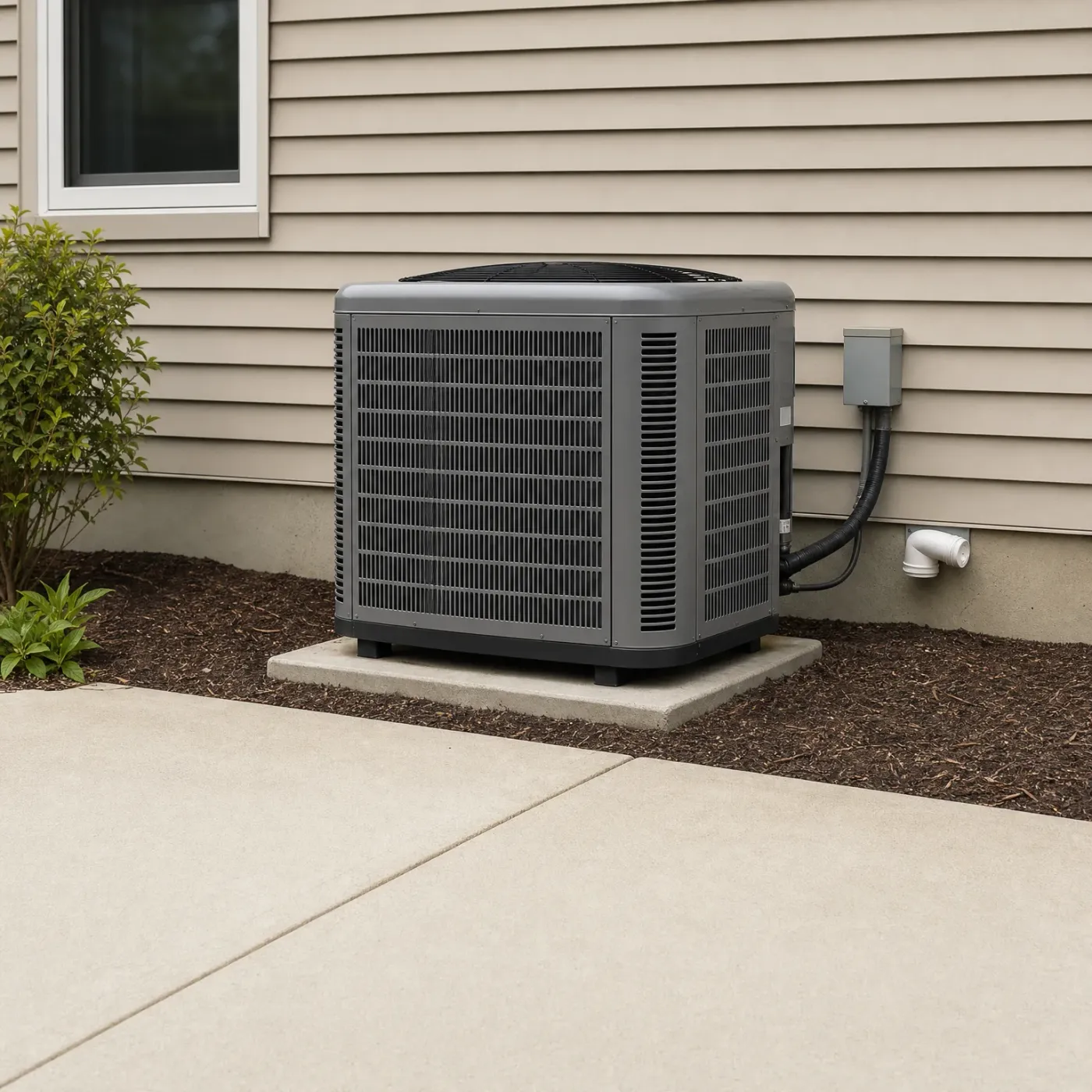
A gray outdoor condenser unit on a concrete pad beside a beige vinyl-sided house, with a wall-mounted disconnect box, flexible conduit, mulch bed, shrubs and a concrete walkway in front.

Normal defrost cycle

Steam coming off the coil and the fan sitting still for a few minutes is the unit clearing frost it picked up pulling heat from the cold air outside. The lines and conduit running up to the disconnect box are doing their job. Once the coil warms up, the fan kicks back on and the cycle is done.
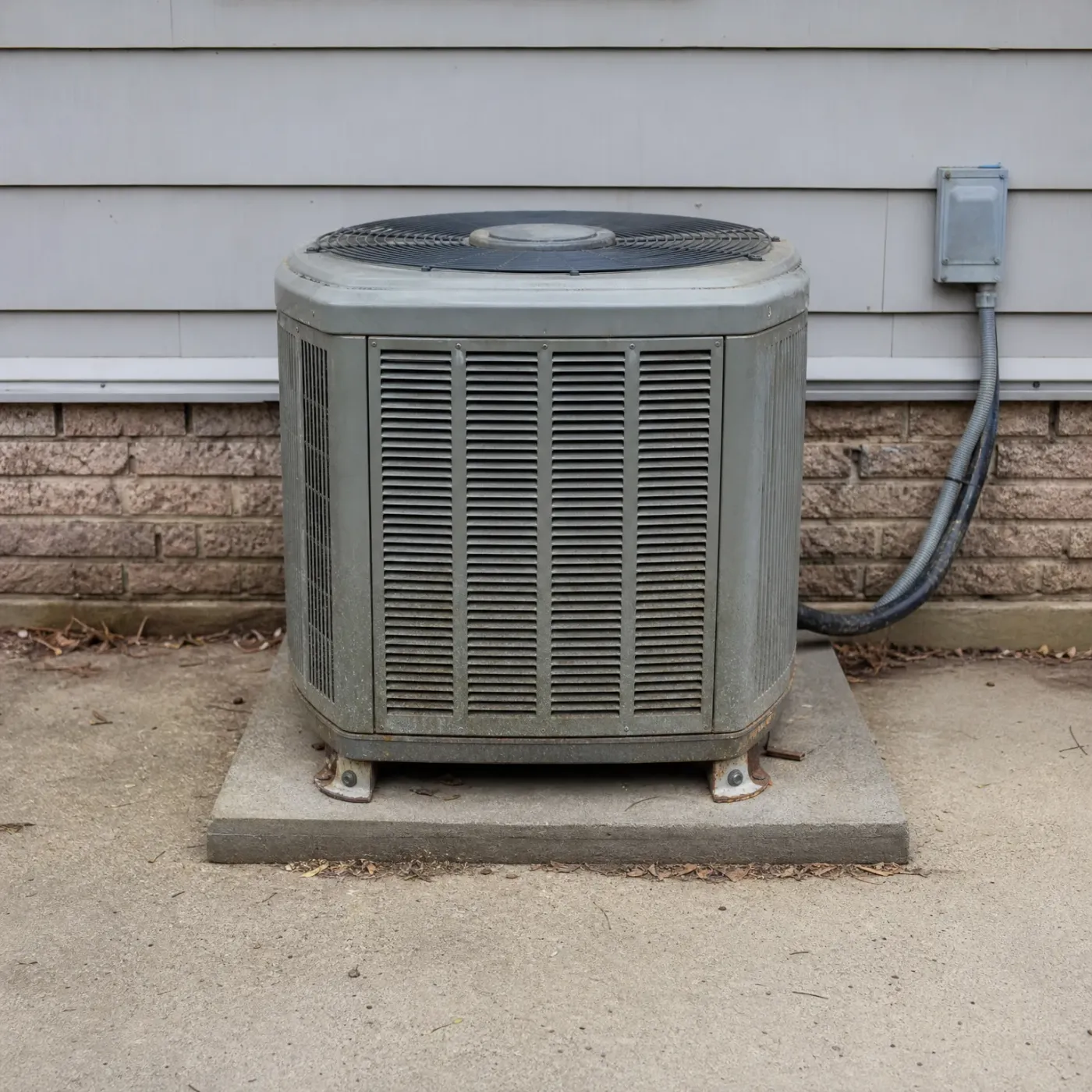

An outdoor air conditioning condenser unit on a concrete pad beside a house with horizontal siding above a brick foundation, with a flexible conduit running to a wall-mounted disconnect box.

Defrost cycle under strain

A coil caked with dust and weathered like this holds onto frost longer, so the unit spends more time in defrost than it should. That means more time away from actually heating your house. If the outdoor unit looks like this, it's worth having someone look at what's built up on it.

A woman in a gray turtleneck sweater stands by a window looking outside at snowy ground, with a dimly lit living room containing a sofa, shelves, lamp and a lit candle behind her.
A woman in a cream cable-knit turtleneck sweater stands in a warmly lit living room with a fireplace and shelves behind her, looking out a window toward snow-covered trees and a railed deck.
A woman in a cream knit turtleneck sweater stands by a window looking out at snow, with a lit fireplace, sofa and lamp in the room behind her.
A woman in a gray knit sweater sits by a window looking out at falling snow, with a dimly lit living room containing a sectional sofa, pillows, a lamp and houseplants behind her.

30 to 35 degrees

That's the coil temperature range where the sensor calls for defrost. Below it, frost builds fast enough to choke airflow before the system reacts.

Get a local pro

Every 30 to 90 minutes

That's how often a heat pump checks for frost in cold, damp weather. A unit that defrosts far outside that range may have a sensor or valve worth having looked at.

Get a local pro

Power costs 12.05 cents per kilowatt-hour statewide

At 12.05 cents a kilowatt-hour, running your heat pump through defrost costs you less here than it would in most other states. Auxiliary heat kicking on during a long cycle won't hit your bill as hard either. That's one less reason to worry when you hear it switch on.

EIA-861 2025 statewide residential average

Defrost Mode, in Plain Terms

  • Defrost mode is your heat pump clearing ice off the outdoor coil so it can keep pulling heat from cold air.
  • Steam at the coil and a fan that stops for a few minutes is the system working, not a breakdown.
  • A sensor on the coil calls for defrost once it reads 30 to 35 degrees, then checks again every 30 to 90 minutes in cold, damp weather.
  • Dirty fins make the cycle run longer, which pulls more heat off your house and leans harder on auxiliary heat.
  • At 12.05 cents a kilowatt-hour, an occasional long cycle costs you less here than it would in most other states.
  • A cycle that won't end, or a fan that won't restart after, is the point to get it looked at before it turns into a bigger repair.

Steam and a quiet fan outside your house mean your heat pump is doing exactly what it's built to do. Cold, damp air leaves frost on the outdoor coil, and that frost has to come off before the unit can keep pulling heat from the air to warm your house. A sensor on the coil watches for it, calls for defrost once the metal reads 30 to 35 degrees, and checks again every half hour to hour and a half while the weather stays cold and wet. The fan stops, the system runs warm refrigerant through the coil to melt the ice, and a few minutes later it's back to heating. That's the whole cycle, and it's built into how the system works through a Nebraska winter.

Where it turns into something worth watching is the fins. Dust and grime on the coil make each defrost cycle take longer, which means more of your house's heat goes toward melting ice instead of staying inside, and more reliance on auxiliary heat to cover the gap. At 12.05 cents a kilowatt-hour, that extra run time costs less here than it would in most other states, so an occasional long cycle isn't worth losing sleep over. What's worth a call is a cycle that doesn't end, or a fan that stays silent once it should have kicked back on. Caught early, that's a straightforward fix. Left alone, it's the kind of problem that gets more expensive the longer it runs.

A bearded man in a plaid flannel shirt stands in a kitchen looking out a window toward snow-covered shrubs, with a steaming mug on the windowsill and potted plants on a shelf behind him.
A smiling man with dark curly hair in a navy t-shirt sits on a gray couch indoors, with a large-leafed plant and a window in the background.

Heat Pump Repair

Get your heat pump to the right pro

Send the request today and let a heat pump pro reach out to you.

A black-framed smartphone standing upright against a plain white background, its screen filled with solid green.
Step 1 of 3: Equipment