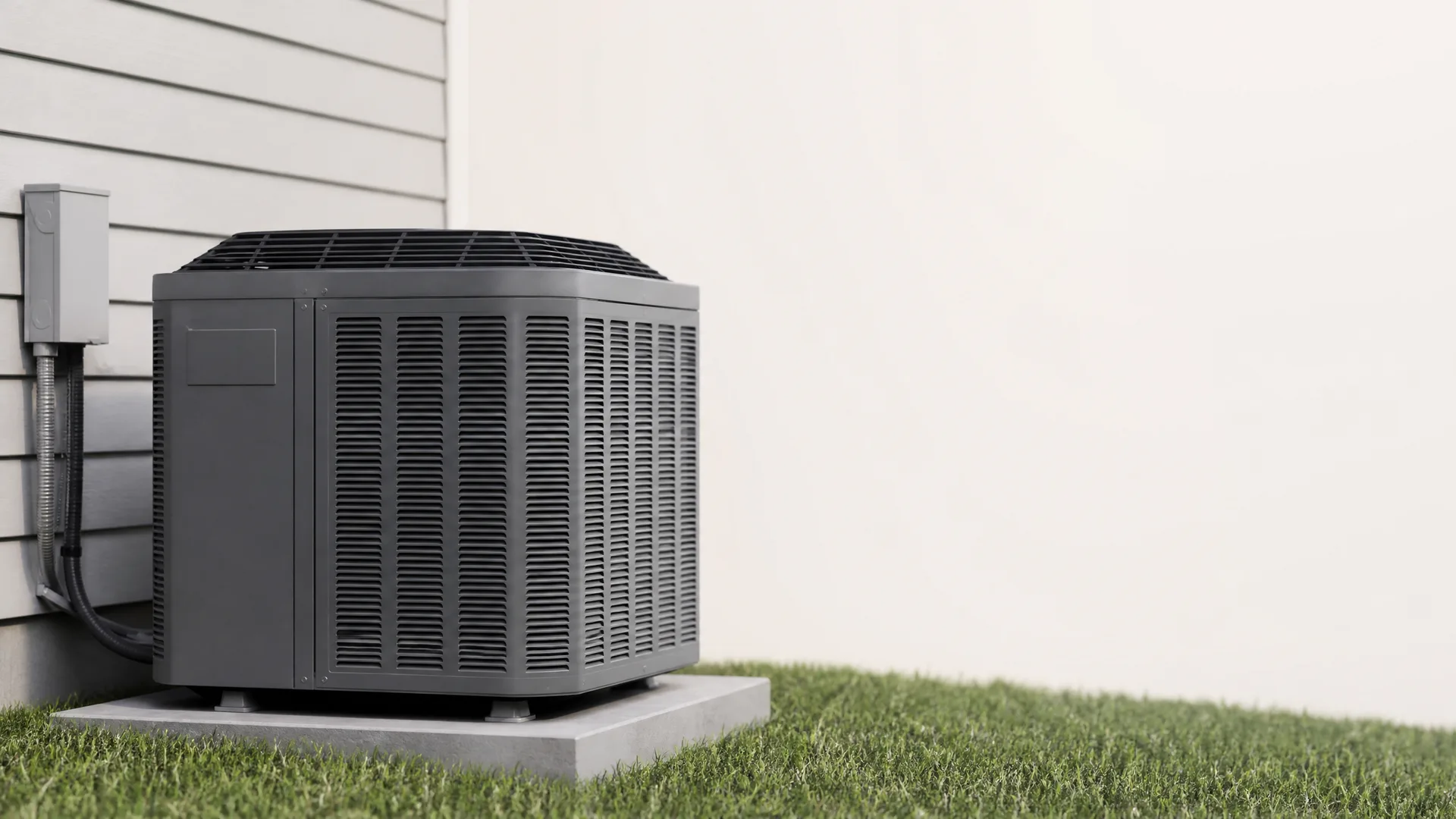
Running the way it should
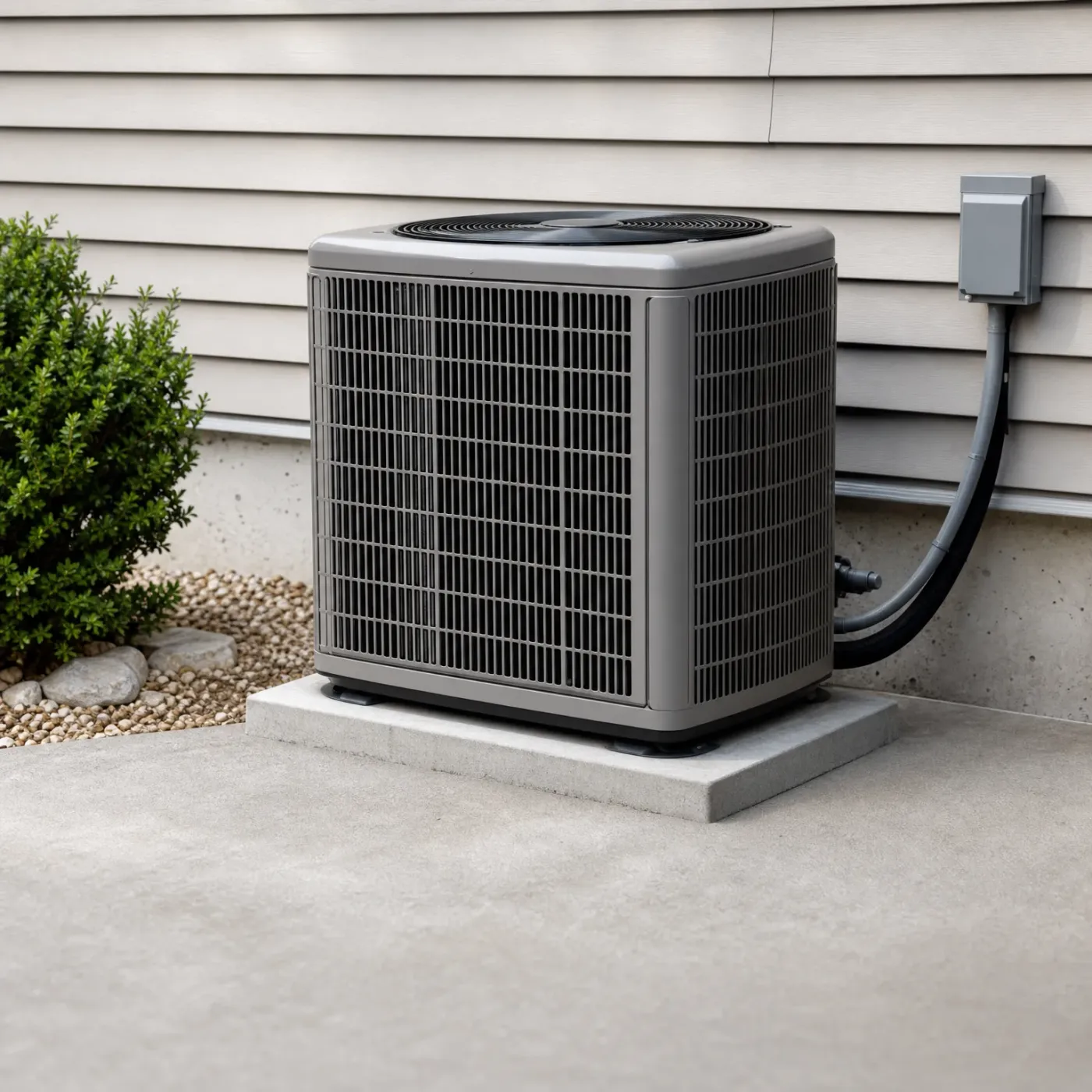
This is what a heat pump looks like when it's keeping up on its own. The coils stay clean, the unit sits clear of debris, and auxiliary heat only steps in on the coldest mornings, not all day long.
Cold snaps here can drop hard, and that "auxiliary heat" light catching your eye on the thermostat makes you wonder if something's gone wrong with the heat pump, or if it's about to run up the power bill. It's a fair thing to want explained before you decide whether it's normal or worth a call.
A heat pump pulls heat from outside air, and the colder that air gets, the less heat it has to give. Once the temperature outside drops far enough, the heat pump alone can't keep your house at the setting you want, so the system switches on auxiliary heat to make up the difference. That's usually electric resistance heat built into the air handler. It's expected to see this light during a hard freeze. If it comes on during a mild stretch, or stays on for long periods when it's not that cold out, the heat pump itself may not be working the way it should, and that's worth having a qualified contractor look at.
A heat pump pulls warmth from outside air. Below freezing, there's less heat out there to grab, and once temperatures drop into the teens and single digits, the heat pump alone can't keep up with how fast the house loses heat. Auxiliary heat is the backup, usually electric resistance coils, that kicks in to cover the gap. It's not a malfunction. It's the system doing what it was built to do when the outdoor air runs short on heat to move.
Electric resistance heat costs more to run than the heat pump's normal compressor cycle, so auxiliary heat running for a stretch during a cold snap will show up on your electric bill. With gas as cheap as it is for most homes here, a furnace might work out cheaper on those bitter days. If your thermostat shows auxiliary heat running for hours at a time rather than short bursts during a cold snap, that's worth having checked, since it often means the heat pump itself isn't pulling its share of the load.
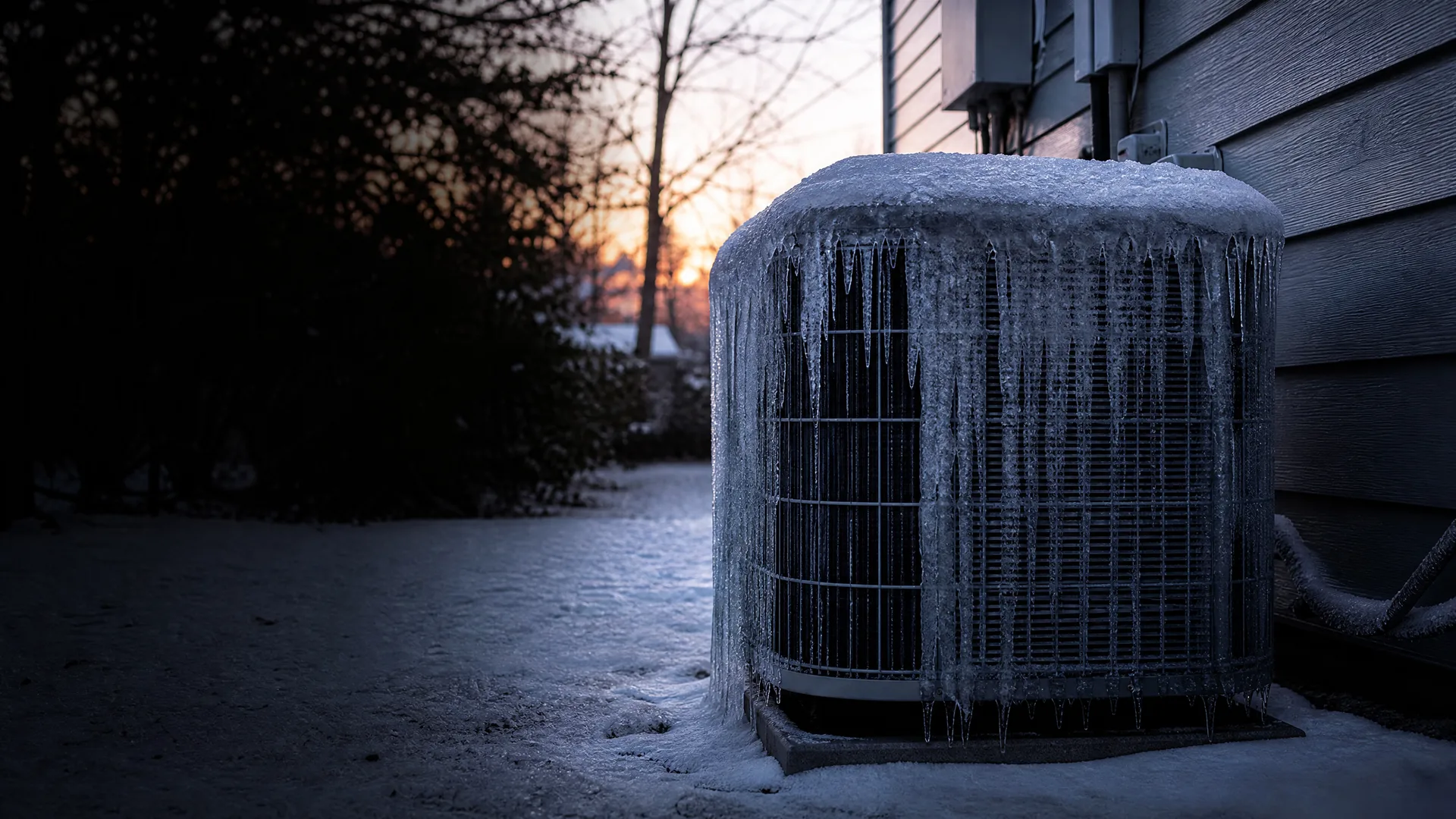
You go out for the paper a little after seven and the side yard still sits in blue dawn shadow. The outdoor unit is coated in ice, thick over the coils, a crust of it hanging off the top edge. The thermostat read sixty-eight when you left the kitchen, and the air coming out of the vents felt warm enough, just not hot the way the furnace used to feel. Frost like this after a night in the teens isn't unusual, and most units will run a defrost cycle and shed it on their own within the hour. You stand there a minute anyway, coffee going cold in your hand, watching for any sign of movement, before you head back inside.
If auxiliary heat is running most of the day instead of just on the coldest mornings, something in the system isn't doing its share, and the electric strips are picking up the slack at full price. That's worth a look from someone who can tell a frozen coil problem from a low refrigerant charge from a failing defrost control, because those three look the same on your thermostat and cost very differently to fix. Finding that person usually means searching, calling a few companies, explaining the same symptoms three times, then sitting with quotes that don't quite match because nobody looked at the same thing. This sends your request to one contractor, local to Nebraska, who works on heat pumps through winters like this one and knows what tends to fail when the mercury drops into the teens and the outdoor unit ices over. One call, to someone who already knows what a Nebraska cold snap does to this equipment.
Most thermostats have two separate controls for backup heat, and they don't do the same thing. Auxiliary heat is automatic. The system decides when the heat pump needs help and brings the electric strips in alongside it. Emergency heat is a switch you set by hand, and when it's on, the heat pump stops running altogether. Everything comes from the electric strips, which is why the power bill jumps fast if that switch gets left on by mistake after a repair or a power outage.
There's a sequence behind the auxiliary light too. The heat pump is always the first thing trying to heat the house. Only when the air handler calls for more heat than the pump can supply do the strips add in on top of it. Some thermostats let you set a balance point, which pushes that handoff to a lower outdoor temperature and leans on the heat pump longer before the strips turn on, since the pump is the cheaper of the two to run.
One more thing worth knowing: the light can come on for a few minutes during a defrost cycle even when it isn't that cold out. That's the system melting ice off the outdoor coil and borrowing a little electric heat to keep the air from blowing cold while it does it. That's normal. What isn't normal is the house running on emergency heat with no sign the heat pump is contributing at all. That points to the outdoor unit, not the thermostat.




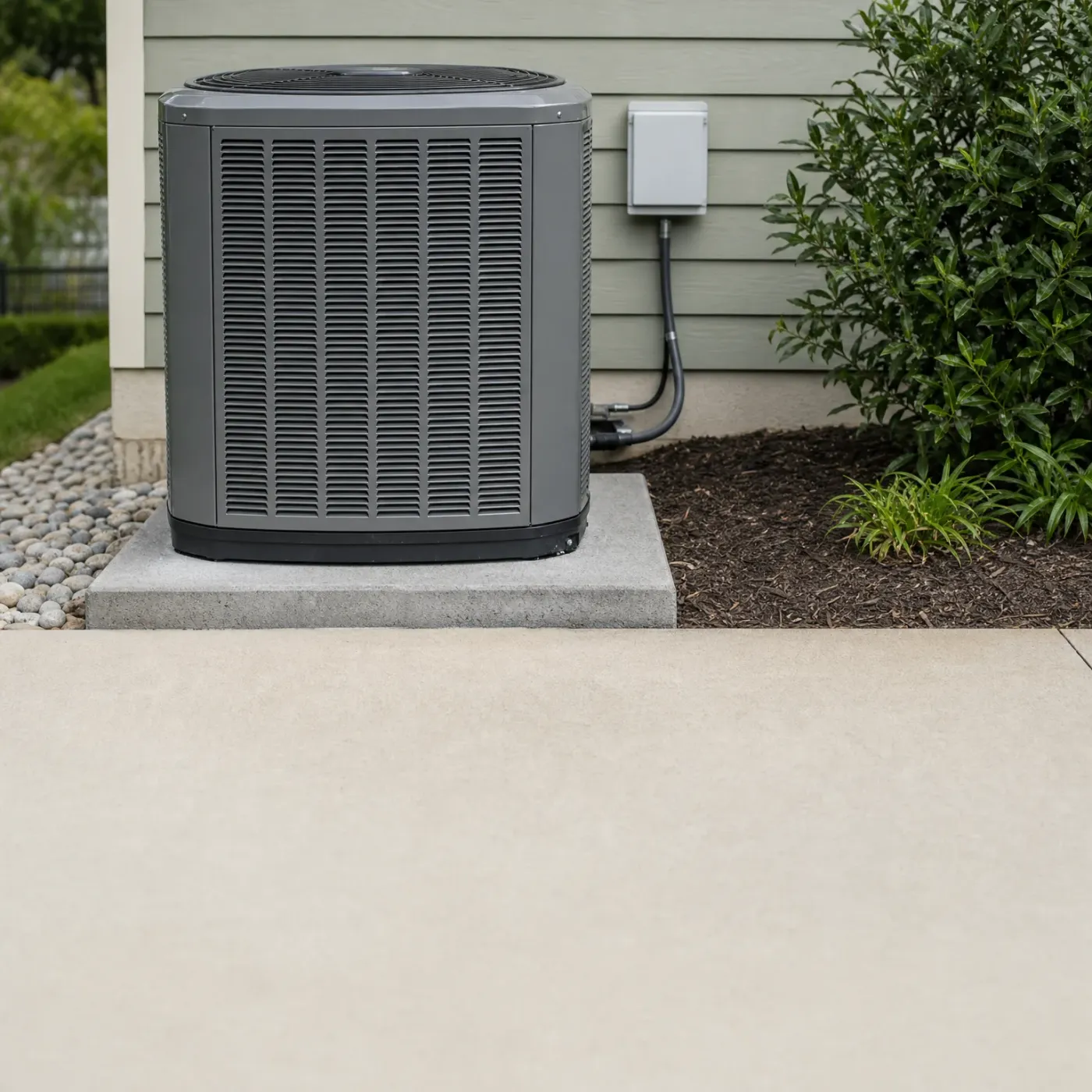
This is what a heat pump looks like when it's keeping up on its own. The coils stay clean, the unit sits clear of debris, and auxiliary heat only steps in on the coldest mornings, not all day long.
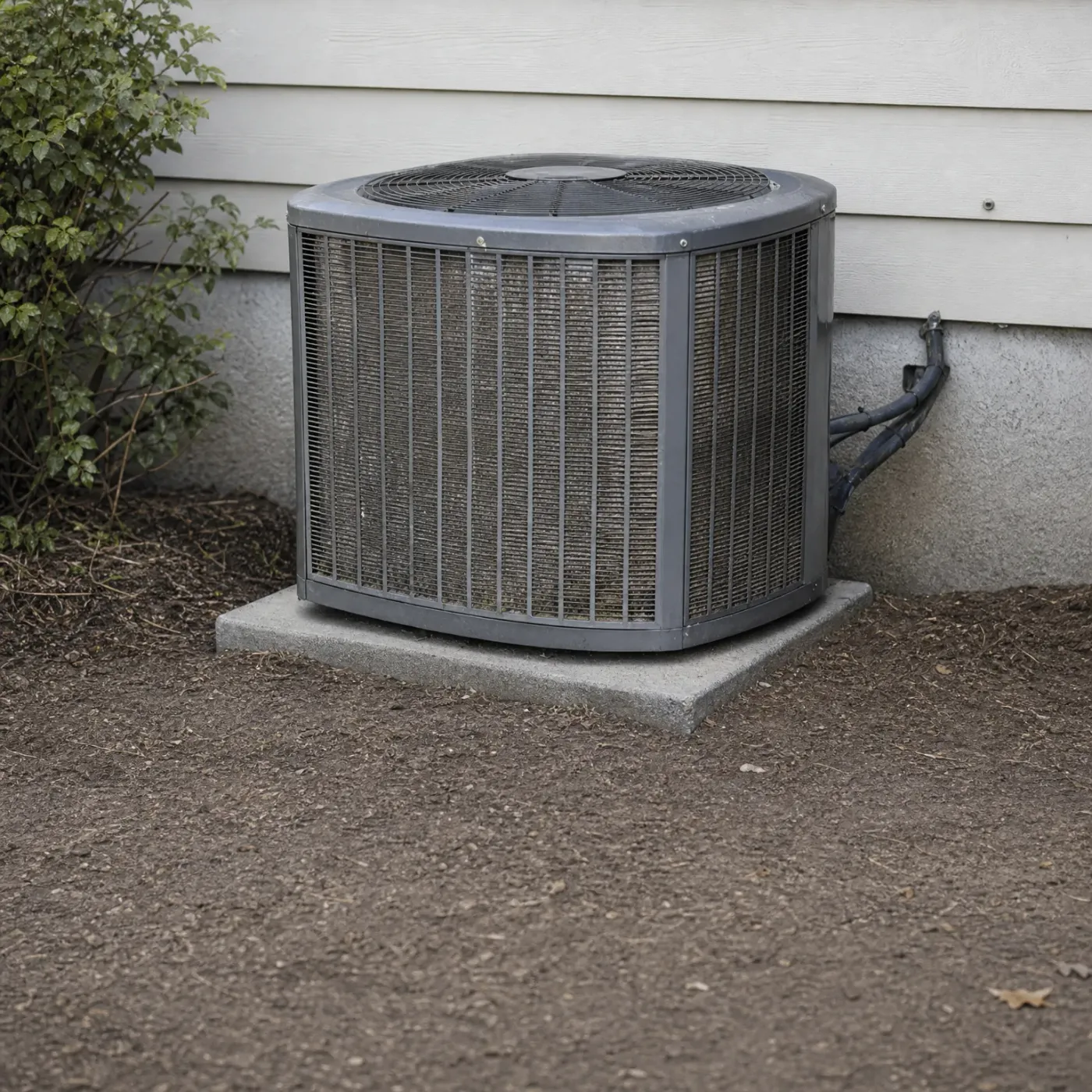
Coils caked with dirt and leaves can't pull heat from the air the way they need to, even above freezing. When the heat pump struggles like this, the electric strips end up carrying more of the load, and that shows up on the power bill.
Check your electric bill against last winter's. A jump that doesn't match the weather usually means the strips are carrying more of the load than they should. Listen at the thermostat too. If you hear it click over to aux on a thirty degree morning, not just when it's in the teens, the heat pump isn't holding up its end. Walk past the outdoor unit and look at the coils. Thick ice, or ice that doesn't clear within an hour, points to the same thing. None of this breaks your furnace backup or leaves you cold, since most Nebraska homes have gas heat to fall back on. But a heat pump that leans on aux heat all winter costs you more every month than one that's working right.
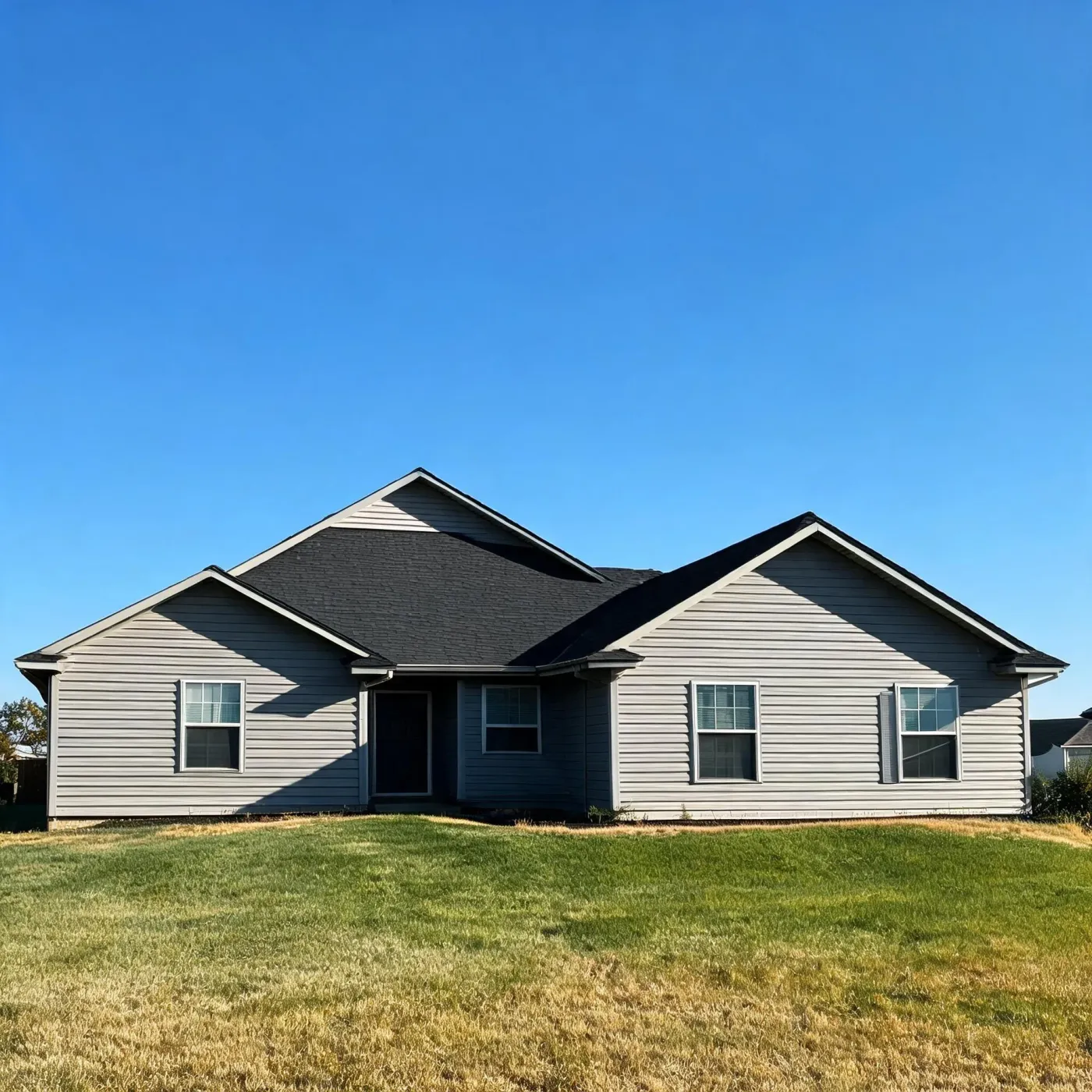
Summer dew points here average 61°F across June, July and August, a figure NOAA tracks for Nebraska. That's sticky air, and it matters for the same heat pump that runs the strips in January. All summer the outdoor unit is pulling moisture out of the house as much as it's cooling it, and that coil works harder on a muggy July afternoon than most people realize. If it's dirty or low on charge, you'll feel it as a house that's cool but still feels damp, and a unit that isn't pulling its weight in summer is often the same one leaning on auxiliary heat too much come winter.
NASA POWER T2MDEW county cells weighted by homes
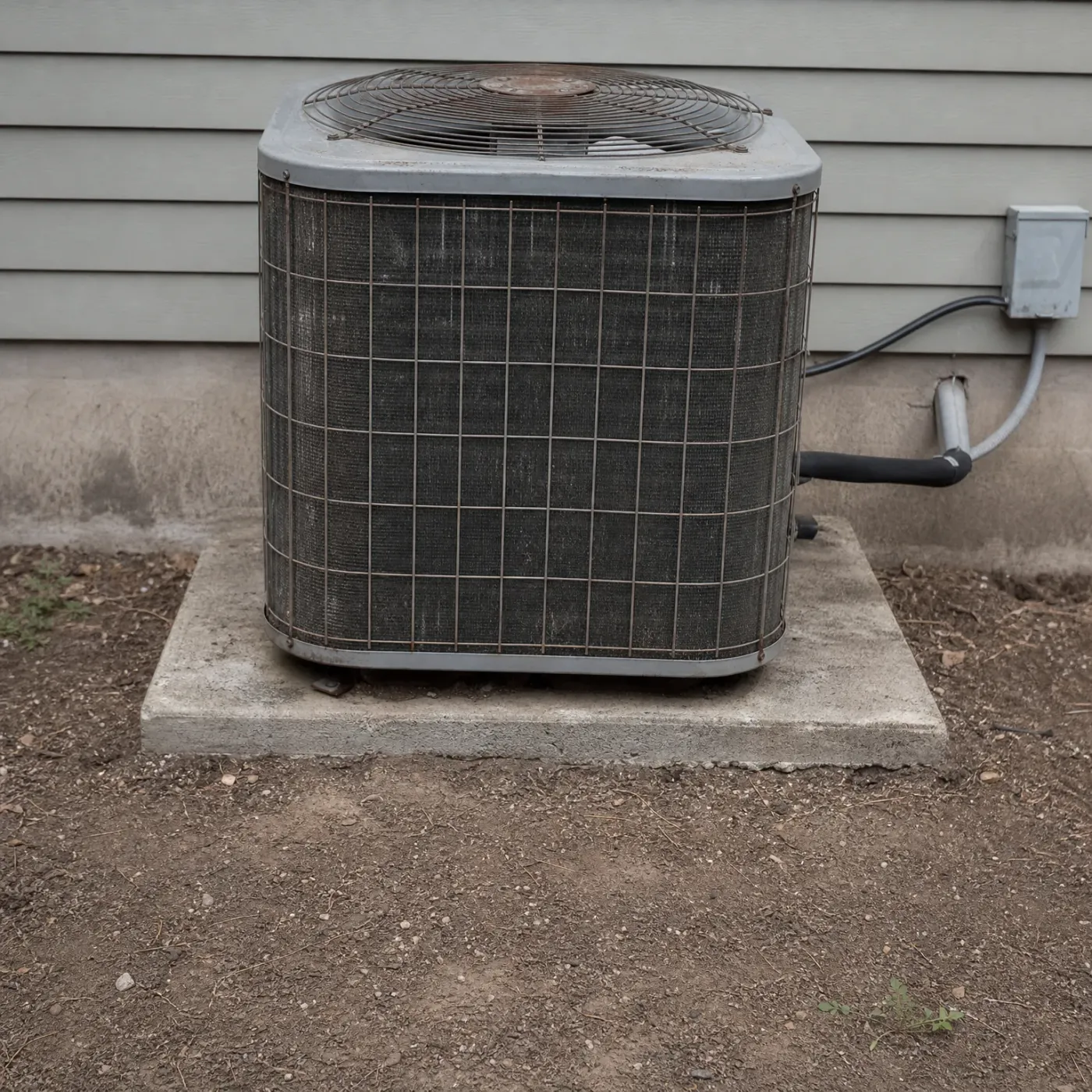
The thermostat calls for more heat than the heat pump is producing.
A second-stage signal tells the air handler to bring in backup.
Electric resistance strips inside the air handler switch on.
The heat pump keeps running while the strips add extra heat.
At 12.05 cents a kilowatt-hour, those electric strips add up fast when they're carrying the load instead of the heat pump. A short morning assist barely shows on the bill. Hours of it every day, every week, will.
EIA-861 2025 statewide residential average
Auxiliary heat kicking on during a cold snap is normal. Auxiliary heat running most of the day, every day, means the heat pump isn't carrying its share and the strips are covering for it at full price. That difference is what's worth having someone look at. A contractor who works on heat pumps all winter in this part of Nebraska has seen what usually causes it, a dirty coil, a low charge, a defrost board that's stuck, and knows where to check first instead of guessing. You'll be matched with one licensed contractor local to you, not a handful of companies competing for the callback, so there's one visit to schedule and one person who knows your system once they've been out. Whatever is driving those strips to run long, that's the fix. Get it sorted and auxiliary heat goes back to doing what it's there for, a backup on the coldest mornings, not the thing paying your heating bill all winter.




Your request goes to one pro, not a list of companies.
You're not committing to anything by asking.