
Is a heat pump worth it with cheap power in Nebraska

A local installer who puts in heat pumps gets your project.

Get my match

A heat pump can still be worth it in Nebraska, but with power this cheap and most homes on gas, the math is closer than it is in other states. A heat pump moves heat instead of burning fuel for it, so it cools your house in the summer and heats it in the winter from the same outdoor unit. That's the appeal: one system instead of two. The savings case leans on electricity costing more than gas heat per unit of heat delivered, and when power is cheap, that gap narrows. Where a heat pump earns its keep here is the summer side, since Nebraska gets sticky and a heat pump is, at its core, an air conditioner that also runs in reverse. If your gas furnace still has good years left, pairing it with a heat pump for cooling and mild-weather heat is worth asking a contractor about.

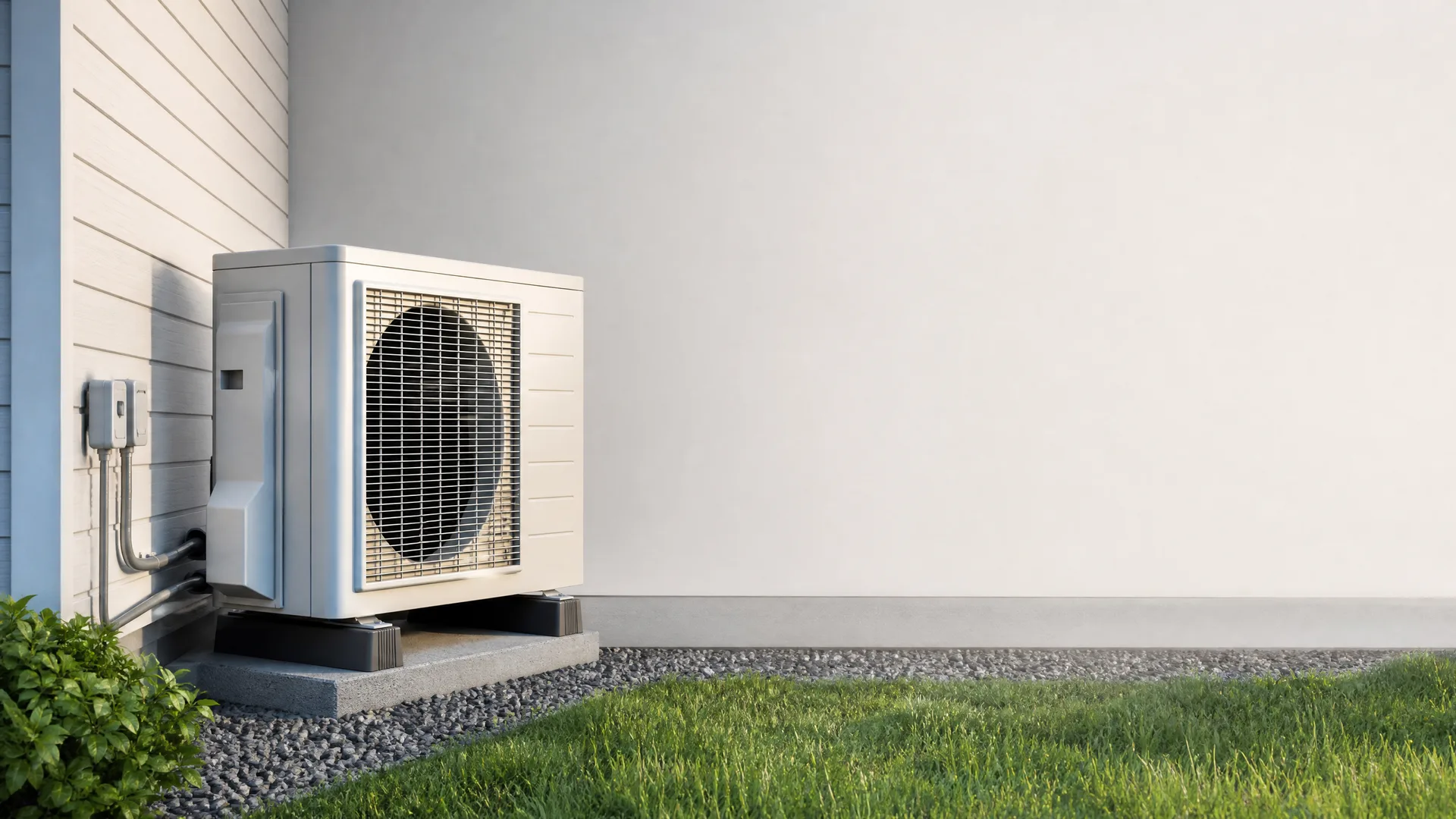
An outdoor heat pump unit on a concrete pad beside a house corner, with a small electrical box and conduit on the wall, gravel border, grass, and a plain light-colored wall filling the right side.

Below freezing, it leans on backup heat

A heat pump pulls heat out of outside air, and the colder that air gets, the harder it has to work to find any. Once temperatures drop into the teens or lower, most systems switch over to electric resistance backup to keep the house warm. That backup heat is where the savings from cheap power start to disappear, since resistance heat costs more to run than the compressor does on a milder day.

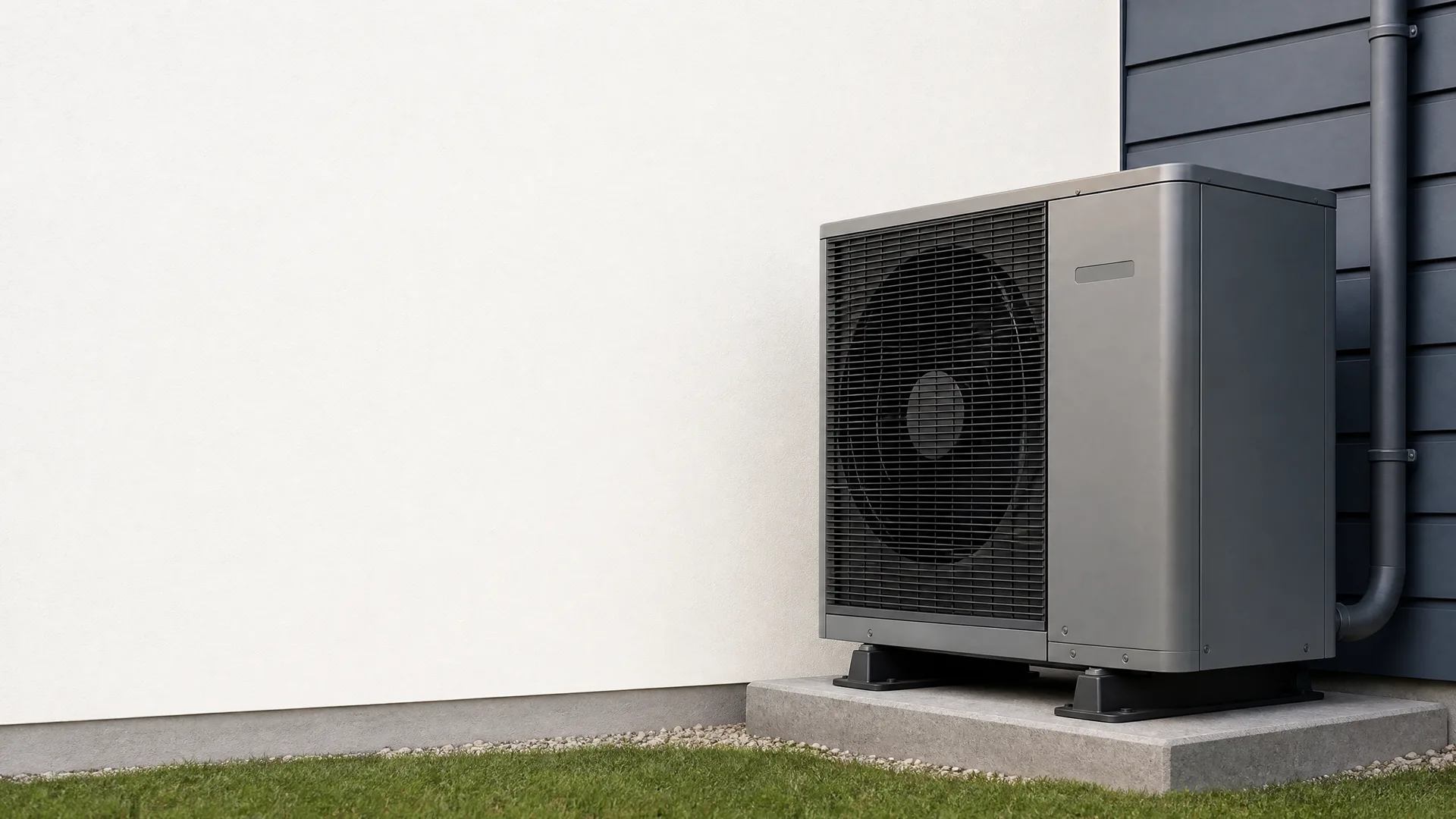
A grey outdoor heat pump unit on a concrete pad beside a white stucco wall and dark siding with a downpipe, with gravel and grass in the foreground.

Gas still wins the coldest nights

A gas furnace burns fuel directly and puts out the same heat whether it is 30 degrees outside or well below zero. It doesn't lose capacity in the cold the way a heat pump's compressor does. That's why a lot of heat pump installs in Nebraska get paired with the existing gas furnace as backup, letting the heat pump handle the milder months and the furnace take over once the real cold sets in.

Is your heat pump actually paying off

You might already have a sense of this from your bills. If your heat pump is doing the cooling all summer and most of the winter heating too, check what you're actually paying against what a gas furnace would run you here. With power this cheap in Nebraska, the gap may be smaller than people assume, or it may not exist at all. Listen for how often the system seems to be working hard on cold mornings, and notice if a backup heat strip seems to be kicking in a lot. That's the unit leaning on expensive electric resistance heat instead of the efficient heat pump cycle, and it will show up on the bill. If nobody's looked at the system since it went in, you may be running less efficiently than you think.

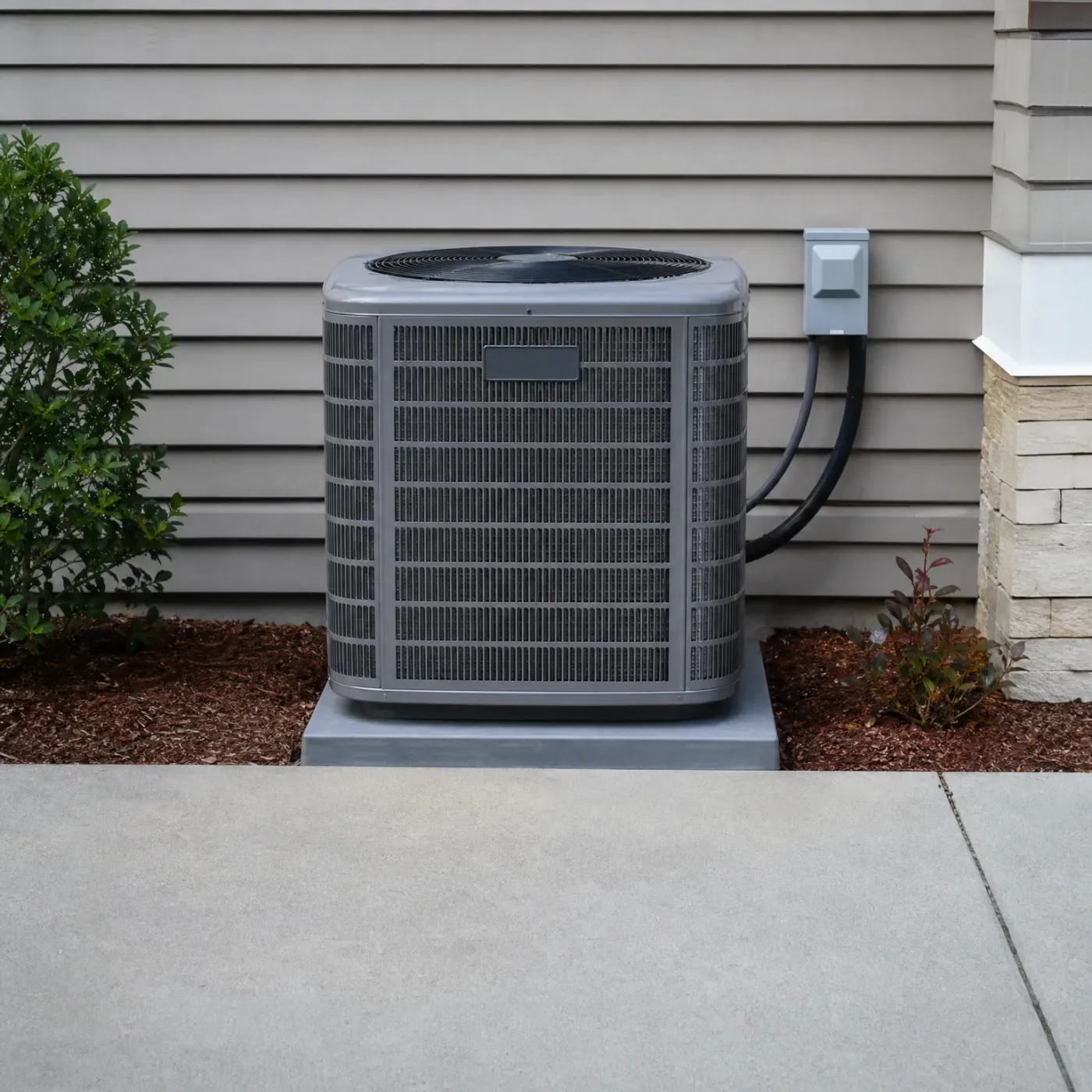
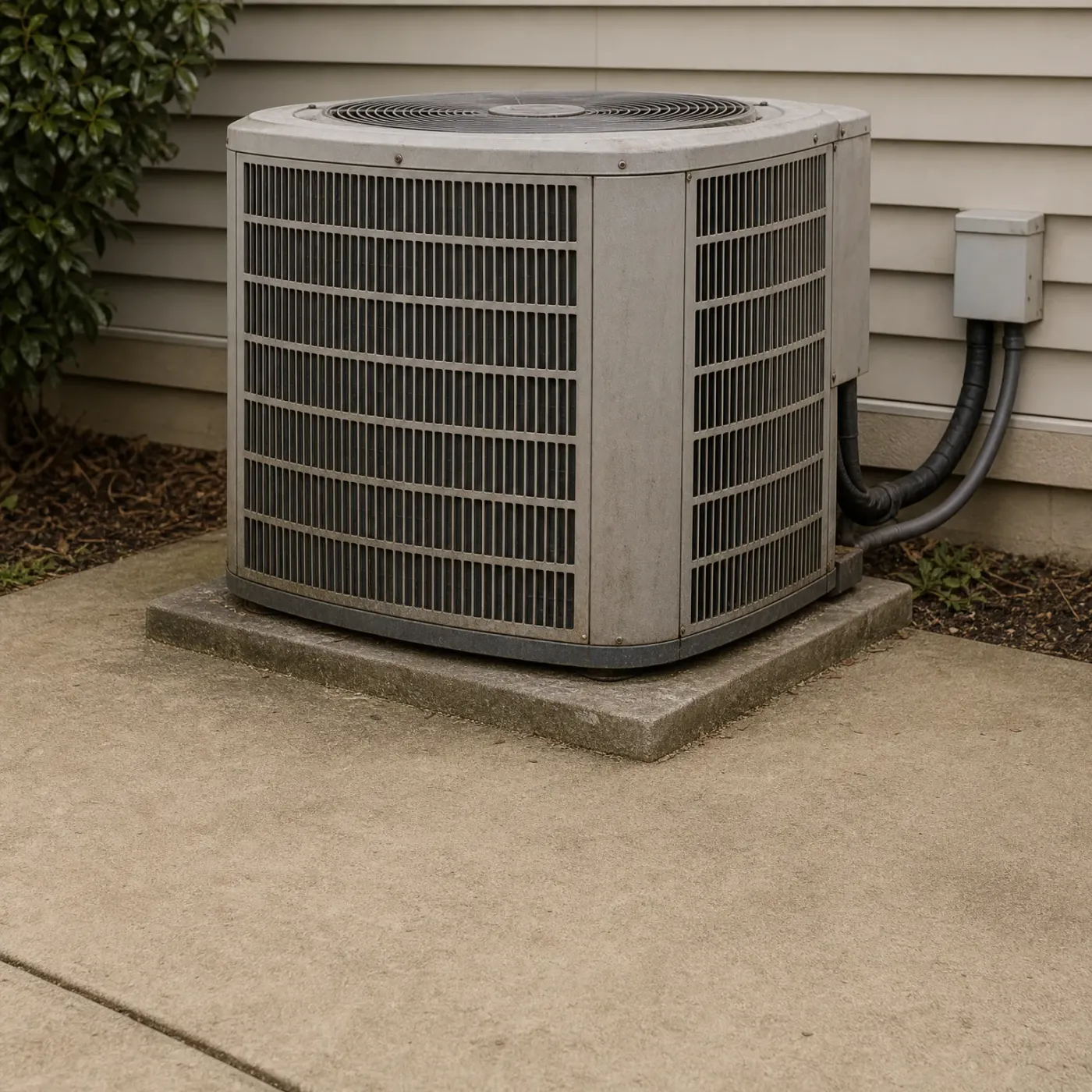
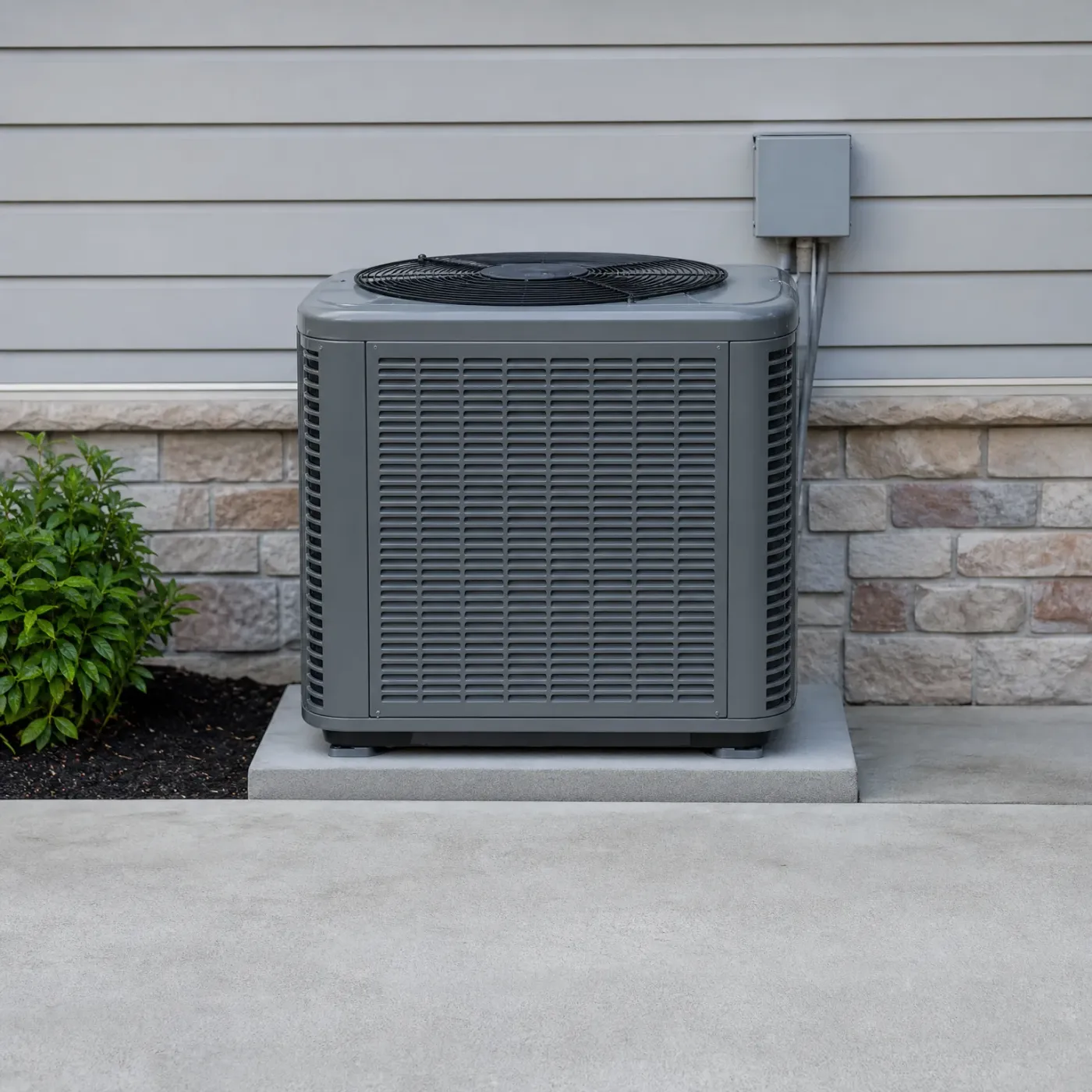
A gray outdoor condenser unit sits on a concrete pad against a house wall with horizontal siding above a stone veneer base, with an electrical disconnect box and conduit on the wall and a leafy shrub in mulch to the left.

Running clean

A heat pump outside like this, coils clear, sitting level on its pad, pulls its full capacity out of the air. In a Nebraska summer that means it keeps up on the sticky days without straining. In winter it heats efficiently right down to the point it needs backup help.
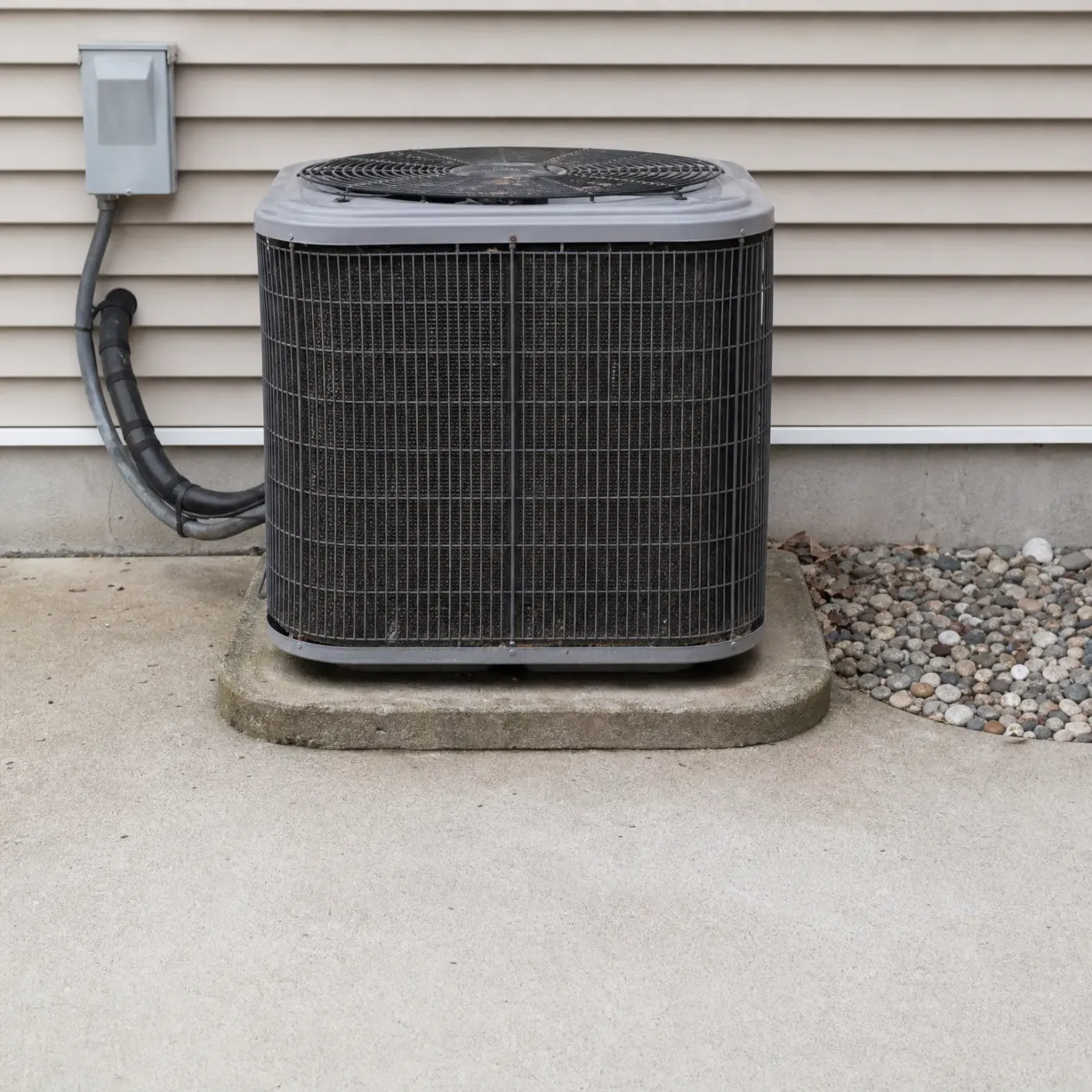

An outdoor air conditioner condenser unit on a concrete pad beside a house with beige vinyl siding, with a gray electrical disconnect box and insulated refrigerant lines on the wall and river rock to the right.

Clogged and straining

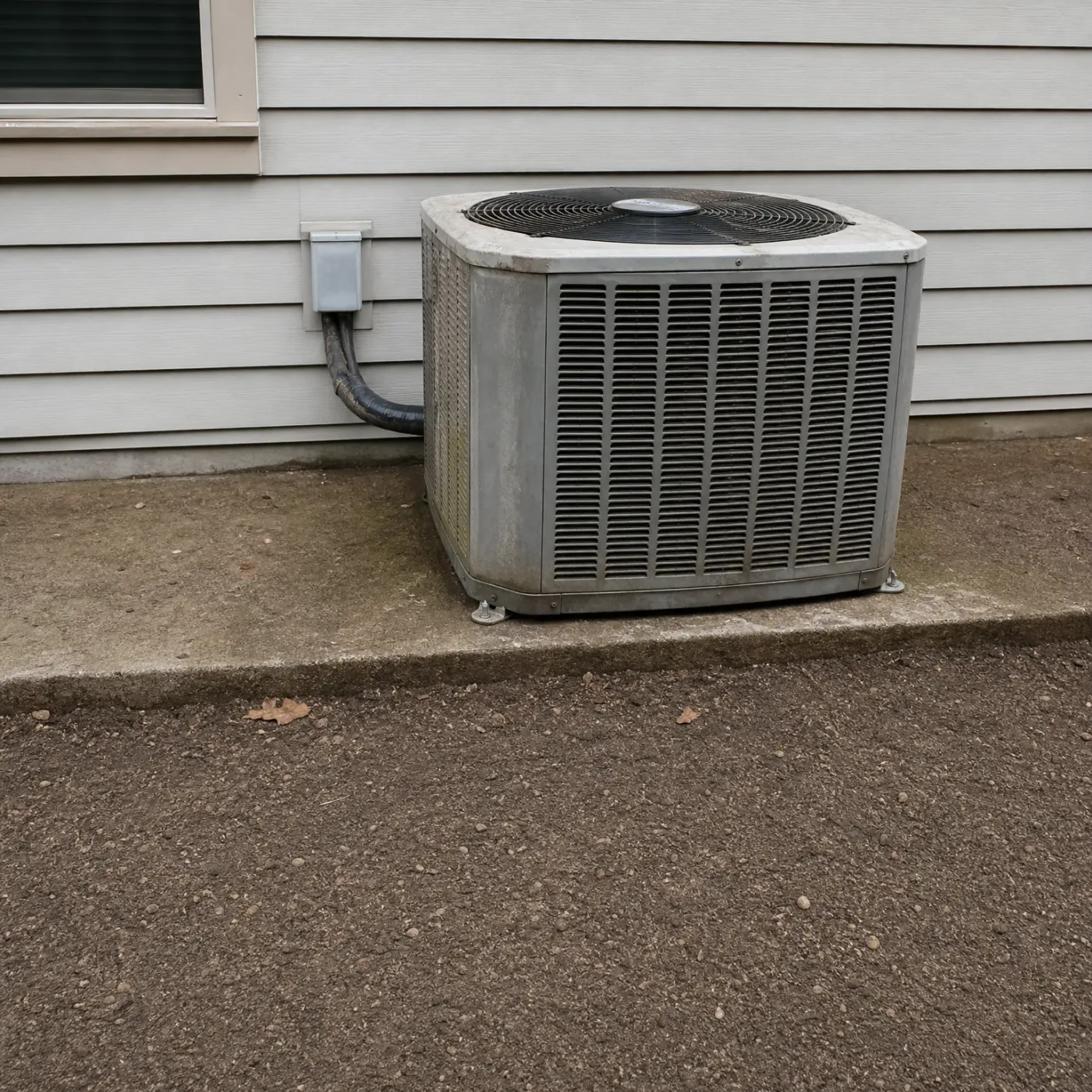
Coils packed with dirt and grass clippings cut off the airflow the unit needs to move heat either direction. It has to run longer to do the same job, which costs you more on a system you're already weighing against cheap gas. Left alone, that strain wears on the compressor.

Heat Pump or Gas Furnace

Keep the heat pump

  • It handles the cooling load all summer without a separate AC unit to maintain.
  • Above freezing, it heats your house for less than a gas furnace does, since cheap power still beats buying fuel to burn.
  • One system covers both jobs, so there's one thermostat, one filter, one piece of equipment to service.
  • If your ductwork already suits a heat pump, switching back to gas-only means adding equipment, not just swapping it out.
  • Some utilities here price electric heat lower in winter, which narrows the gap further.

Switch to gas heat

  • A gas furnace doesn't lean on electric resistance backup once it gets into the teens, so it costs the same to run on the coldest night as any other.
  • With power this cheap, the savings a heat pump offers over gas in mild months are smaller here than in states with expensive electricity.
  • Most homes in Nebraska already heat with gas, so parts and service for a furnace are easy to find.
  • You'd still want something for summer cooling, which means installing a separate air conditioner alongside the furnace.
  • A furnace doesn't lose capacity as the temperature drops, where a heat pump's output falls off the colder it gets outside.
A gray-haired bearded man in a dark coat and scarf dusted with snow stands smiling in a dimly lit entryway with a white front door, a side table with a lit lamp, an oval mirror, and a patterned rug.
An older bearded man in a dark snow-dusted coat and gray scarf stands just inside a dimly lit home entry, with a framed picture, lit table lamp, and an adjoining room with a fireplace behind him, and snow visible through the open door.
A gray-haired, bearded man in a dark snow-dusted coat stands smiling in a dimly lit entry hall with a staircase, a lit table lamp, a framed picture, and a living room visible through a doorway.
An older man with gray hair and a beard, wearing a dark jacket dusted with snow, stands smiling in a dimly lit hallway with lamps and a living room visible behind him.

Get the right pro for your heat pump

Once you send the form, finding a pro is off your list.

You only hire the pro if you want to.

When the heat pump makes sense

If your ductwork and thermostat already work with a heat pump, keeping it running makes sense for most of the year. It covers your summer cooling on its own, and from fall through the milder parts of winter it heats your house for less than a gas furnace burning fuel, since power here is priced low. You're not maintaining two separate systems for heating and cooling, just the one. The case for it gets stronger the more mild days your winter has, because that's when the heat pump is doing the job cheaper than gas would. Where it gets weaker is the stretch of real cold, when it hands off to backup heat and the savings narrow or disappear for those weeks.

When gas still makes sense

A gas furnace doesn't care how cold it gets outside. It burns fuel and makes heat, and the output doesn't drop off when the temperature does. In a Nebraska January that matters, because a heat pump working that hard is leaning on backup heat to keep up, and backup heat costs more to run. If your house is already set up for gas heat and a separate AC unit, ripping that out to install a heat pump is a bigger decision than it looks, especially with power this cheap narrowing the gap a heat pump is supposed to close. For some homes here, the furnace stays the better fit for the coldest months, even with a heat pump handling summer.

An outdoor air conditioner condenser unit on a concrete pad beside a light gray vinyl-sided house, with an electrical disconnect box and conduit on the wall and bare soil in the foreground.
Before you get your heat pump installation
A gray outdoor condenser unit sits on a concrete pad beside a house with horizontal lap siding, with a wall-mounted disconnect box and refrigerant lines, mulched beds and a shrub nearby, and a concrete walkway in the foreground.
After you get your heat pump installation

Before you get your heat pump installation

You're weighing bills against gas rates, guessing at how it handles a Nebraska winter, maybe living with a system that is already struggling on the cold days.

Hand off my installation

After you get your heat pump installation

You're matched with a contractor who looks at your house and your gas rate and tells you straight whether it pencils out. They reach out to you.

Hand off my installation
A woman wrapped in a thick beige fleece blanket sits on a sofa with an open book on her lap, beside a lit table lamp, with a frost-covered window behind her.
An older woman with gray hair in a bun and glasses, wearing a beige knit sweater, smiles while looking to the side in a warmly lit kitchen, with a loaf of bread on the counter in the foreground and a snowy scene outside the window.
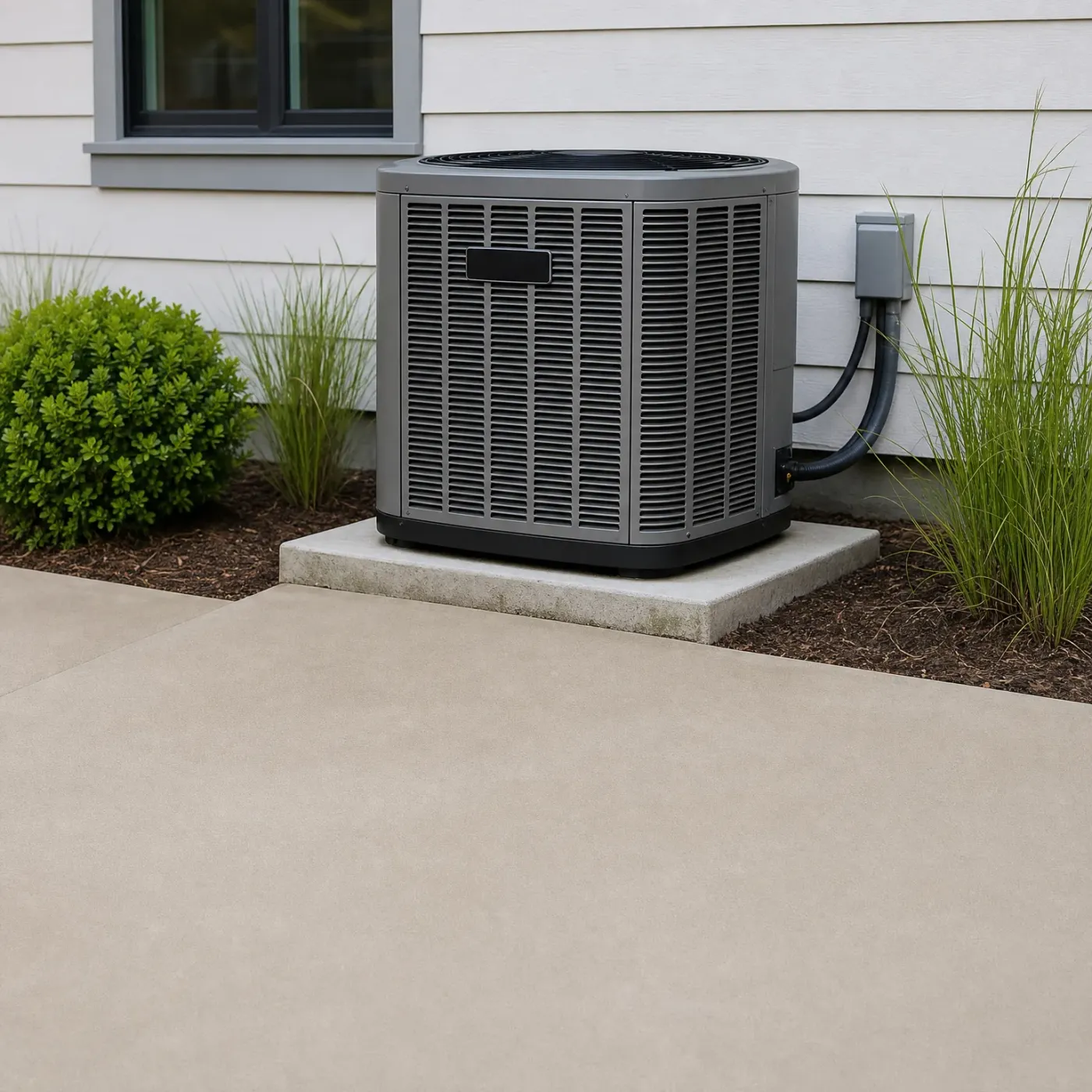
A gray outdoor condenser unit on a concrete pad beside a light-colored horizontal-siding house, with a disconnect box and refrigerant line on the wall, ornamental grasses and a shrub in mulch nearby, and a concrete patio in the foreground.
Clear coils and a level pad let the unit pull full capacity out of the air, holding up on humid days and cold nights alike.
An outdoor condenser unit sits on a concrete pad beside a house with horizontal vinyl siding, with a gray electrical disconnect box and conduit on the wall and a shrub at left.
Iced-over coils or a unit tipped off level make it strain for heat, and backup power picks up more of the load than it should.

Power costs 12.05 cents per kilowatt-hour statewide

At 12.05 cents a kilowatt-hour, running your heat pump on electric backup during a cold snap costs less than it would in most other states. That's the piece of the math that works in your favor here, even with gas as cheap as it is.

EIA-861 2025 statewide residential average

  1. The outdoor unit pulls heat out of the air itself.

  2. Refrigerant carries that heat inside through the coils.

  3. The indoor coil releases the heat into your ductwork.

  4. Below freezing, electric backup heat kicks in to help.

A woman in a cream sweater and jeans stands in the open doorway of a white stucco house, holding the dark door, while a man in a dark quilted jacket seen from behind walks toward the entry past potted plants.

Where that leaves you

A heat pump in Nebraska is worth keeping if it's already running your home well, and worth a second look if it's leaning hard on backup heat every time it gets cold. You've got the numbers now: what cheap power does for it, what gas would cost instead, and what a strained unit looks like outside. The rest comes down to whether yours is actually set up to hold its own in your winters.

If you're not sure which side of that line your system falls on, you don't have to work it out alone. Send in what you know about your setup and you'll be matched with a contractor who looks at your specific situation and reaches out to you directly. That's one less thing you're carrying.

A gray upholstered sofa with a matching cushion sits beside a potted plant and a wooden table holding a small green plant in a stone pot, near a curtained window.
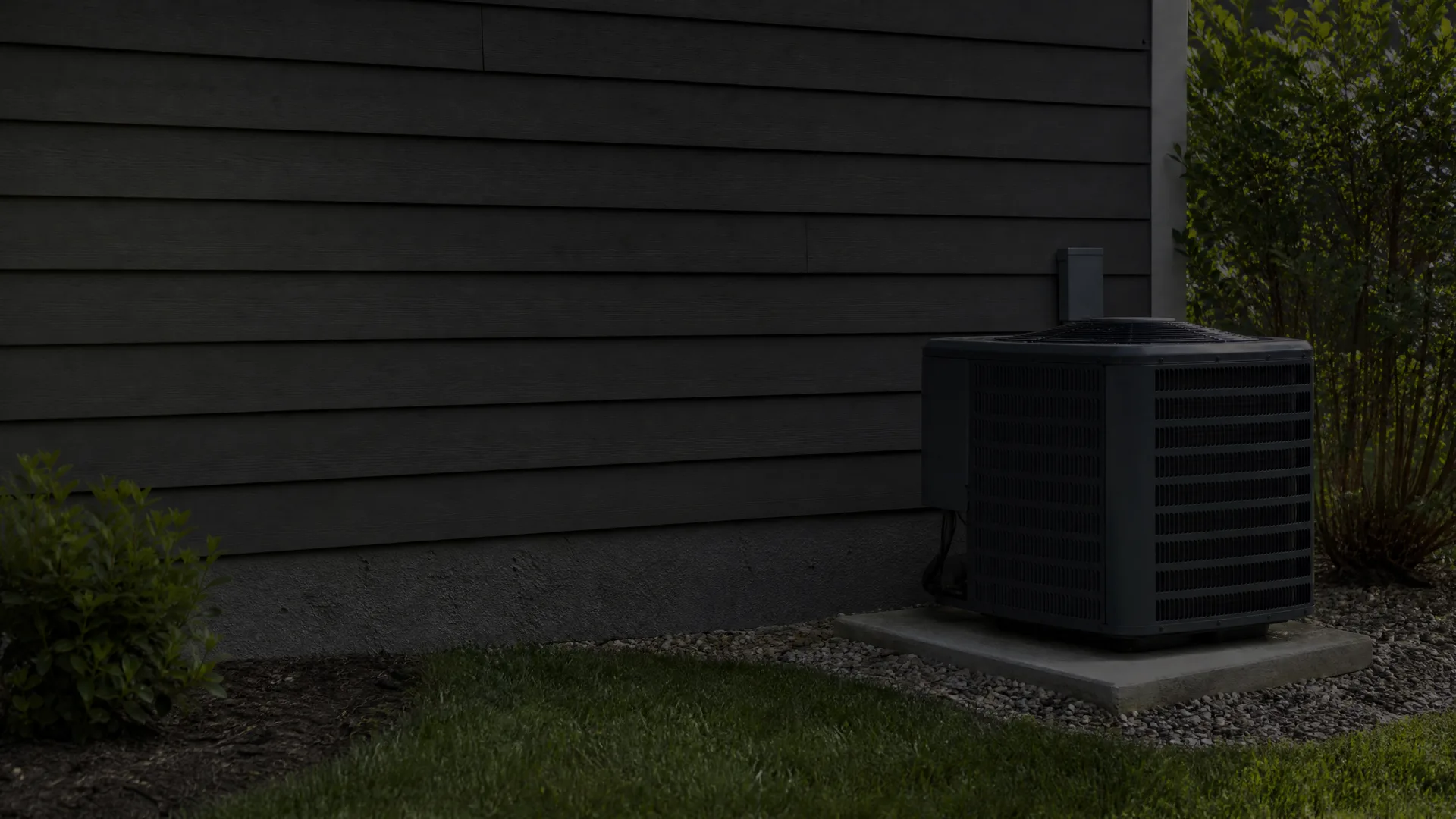
An outdoor air conditioning or heat pump condenser unit sits on a concrete pad surrounded by gravel beside a dark horizontal-sided house, with grass and shrubs nearby.

Get your heat pump to the right pro

Send the form and the search for an installer is over.

Step 1 of 3: Equipment