Is a heat pump enough for winter in Norfolk, NE

Skip calling around

A heat pump below freezing works harder, and whether it keeps up with a Madison County winter depends on the unit, the backup heat, and how it was sized and installed. That's not something to guess on or piece together from a dozen contractor websites. You'd normally be calling around, explaining your system and your question over and over, then weighing quotes that each answer it a different way. Ask here instead, and it goes to one licensed contractor working in Norfolk and the surrounding area, someone who installs and services heat pumps in this climate every winter and knows how they hold up once the temperature drops. One point of contact, one answer grounded in your actual setup, not a general rule that may not fit it. If the fix is a backup heat source, a different thermostat setting, or something in how the system was installed, you'll hear it from someone who can act on it.
Will a heat pump keep up with winter here in Norfolk, NE?

You've got a heat pump, or you're thinking about one, and you've heard they struggle once it gets cold. Norfolk winters get well below freezing for weeks at a time, and you want to know if you'll be standing in a cold house in January waiting on a repair, or if this is actually something that works here the way it's supposed to.

Yes, but it needs backup heat to get through the coldest stretches

A heat pump moves heat from outside air into your house, and the colder that air gets, the less heat there is to move. Somewhere in the 25 to 35 degree range, most heat pumps stop keeping up on their own. Madison County sees plenty of days colder than that from December through February, so the system needs a second heat source, usually gas furnace or electric resistance coil, to take over when the outdoor unit can't carry the load by itself. Most homes in this area already heat with gas, which makes a gas furnace backup the natural pairing. Sized and installed correctly, with that backup in place, a heat pump handles a Norfolk winter without trouble.

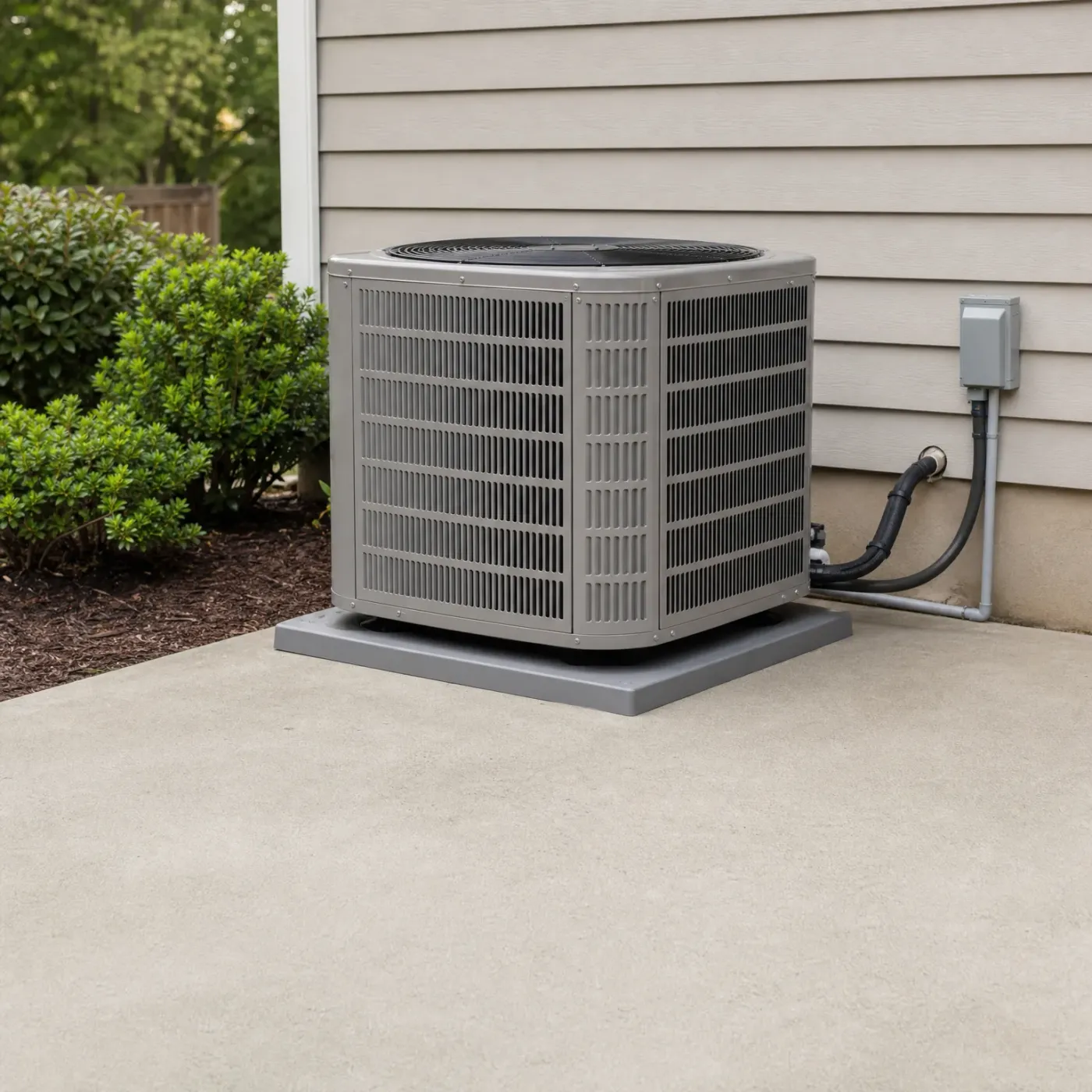
A gray outdoor condenser unit on a raised pad beside a house with horizontal lap siding, with refrigerant lines, conduit and an electrical disconnect box on the wall, and shrubs on a mulch bed to the left.

Running the way it should

This is a heat pump doing its job. The lines and wiring stay connected to a disconnect box on the siding, the pad is clear, and the grille is open to the air it needs to pull heat from. A unit kept this way can hold up through a Madison County cold snap.

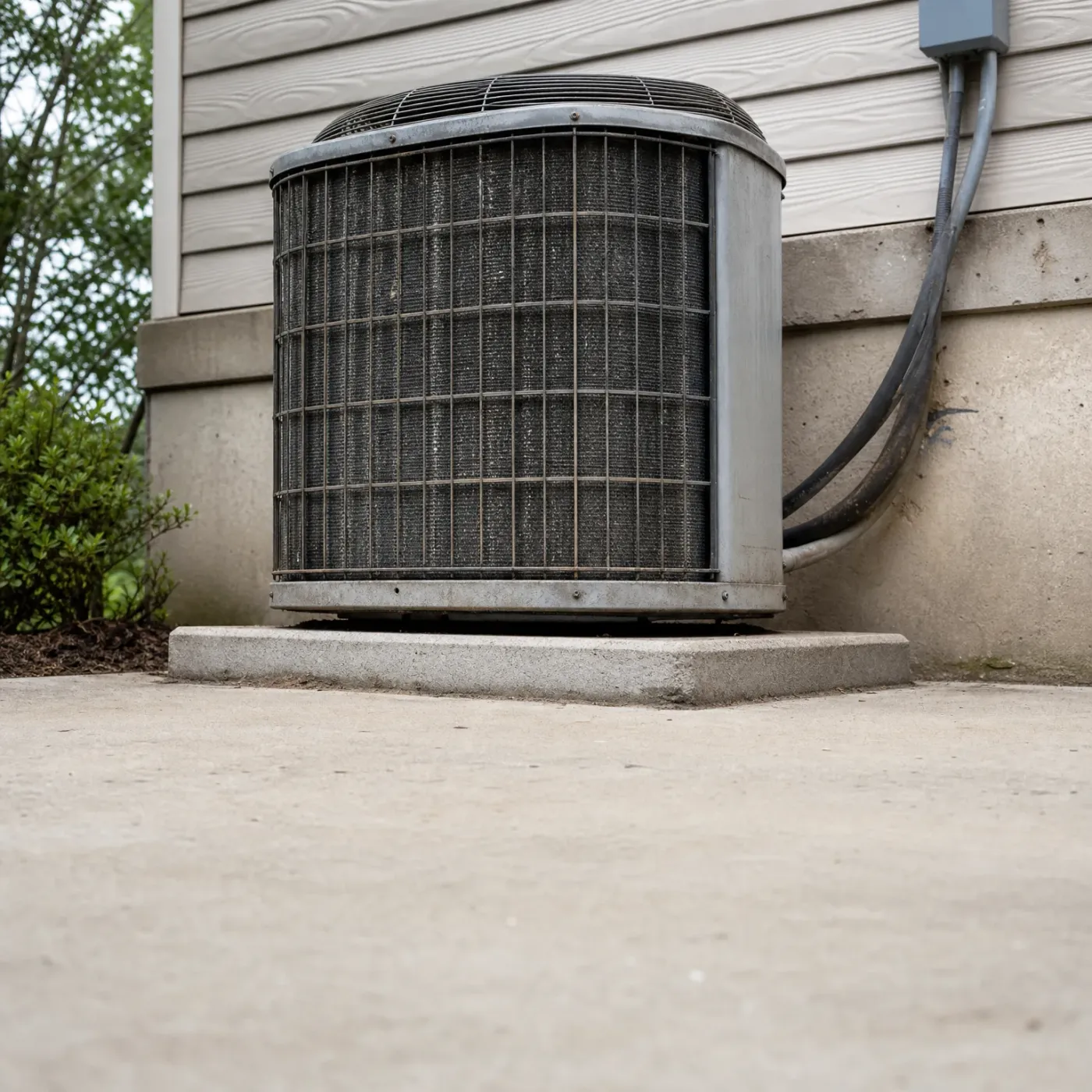
An outdoor air conditioning condenser unit on a concrete pad beside a house with horizontal siding and a concrete foundation, with refrigerant lines running to a wall-mounted disconnect box and shrubs at left.

Struggling to keep up

That dark, dusty grille is blocking the airflow the unit depends on to pull heat from the cold outside air. A heat pump working through grime like this has to run longer to reach the same temperature, and in weather this cold, it may not catch up at all.

So can a heat pump really handle a Norfolk winter?

  • Winter nights average 15°F

    Those nights average 15°F, and that's the range where a heat pump needs backup heat to keep the house at temperature.

  • Heat runs October through May

    Eight months of heat means the system leans on that backup more than it would somewhere milder, so it has to be sized right from the start.

  • Cooling runs June through August

    Only three months go to cooling, so most of what this unit does all year is keep you warm, not cool.

NOAA nClimDiv 1991-2020

A woman with long light-brown hair in a gray knit sweater sits in a living room looking off to the side, with a sectional sofa, houseplant, lamp, wooden table and large windows behind her.
A woman in a chunky gray turtleneck sweater sits indoors looking off to the side, with a blurred dining table, chairs, pendant lamp and window behind her.
A woman in a cream knit sweater with her hair in a bun stands near a window, looking off to the side, with a gray sofa, houseplant and open kitchen with pendant lights blurred behind her.
A woman with long brown hair in a cream knit sweater stands near a window, looking to the side, with a white sofa, shelving, and a hallway visible behind her.

Skip the calls to every shop

The pro who gets in touch is licensed in Nebraska and works in Madison County.

You're not committing to anything by asking.

Where the heat actually comes from

A heat pump moves heat out of the outdoor air instead of burning fuel to make it. That works fine down into the 30s and still gets most of the job done into the 20s. Below that, there's less heat in the air to pull, and the unit has to run longer to move the same amount into the house. Most homes in Madison County heat with gas, and a heat pump paired with a gas furnace as backup switches to that furnace once the outdoor temperature drops past the point where the heat pump alone can keep up.

What sizing and setup decide

Two heat pumps can be the same size on paper and perform differently in January. How the unit was sized for the house, where the backup heat kicks in, and whether the thermostat is set up to use it correctly all decide whether the house stays warm or the system falls behind. A unit sized for the home it's in, installed with the backup set to come on at the right point, keeps up through the cold stretch. One sized wrong or set up to lean on the heat pump too long won't, no matter how good the equipment is.

A woman with dark hair in a bun sits wrapped in a chunky knit blanket on a couch with a child resting his head on her shoulder, eyes closed, beside a lit lamp and bookshelf indoors.
A smiling older woman with gray hair in a loose bun wearing a ribbed beige sweater stands in a dimly lit kitchen beside a window showing darkness outside, with a loaf of crusty bread on a wooden board in the foreground.

A heat pump can hold a Norfolk house through the winter, but only if the backup heat is sized right and the system was installed to handle what this cold actually does to it. That's the whole answer. Whether yours does it comes down to the unit you have or choose, not the climate working against you. If you want someone to look at what's out there now, or size a new system for this specific house, a licensed Madison County contractor who works on heat pumps all winter, through the stretches in the teens and the weeks that don't climb back above freezing, can tell you where it stands. That's one contractor who knows this equipment in this cold, not a list of names to call and compare on your own. You'll know what you have, what it needs, and whether it's already doing the job.

A single-story stone-clad house with low-voltage path lights along a gravel bed and lawn at dusk, with a tree line and orange sky on the horizon.

Heat Pump Installation

Skip calling around

Step 1 of 3: Equipment
  • A beige upholstered armchair with a knitted cushion and fringed throw sits in a corner beside a window, with a small round wooden side table holding a mug and lit candle, a potted plant, and a lamp at right.
    • Your new heat pump project goes to an installer who works in Madison County.
    • Your request goes to a Madison County pro who takes heat pump jobs.
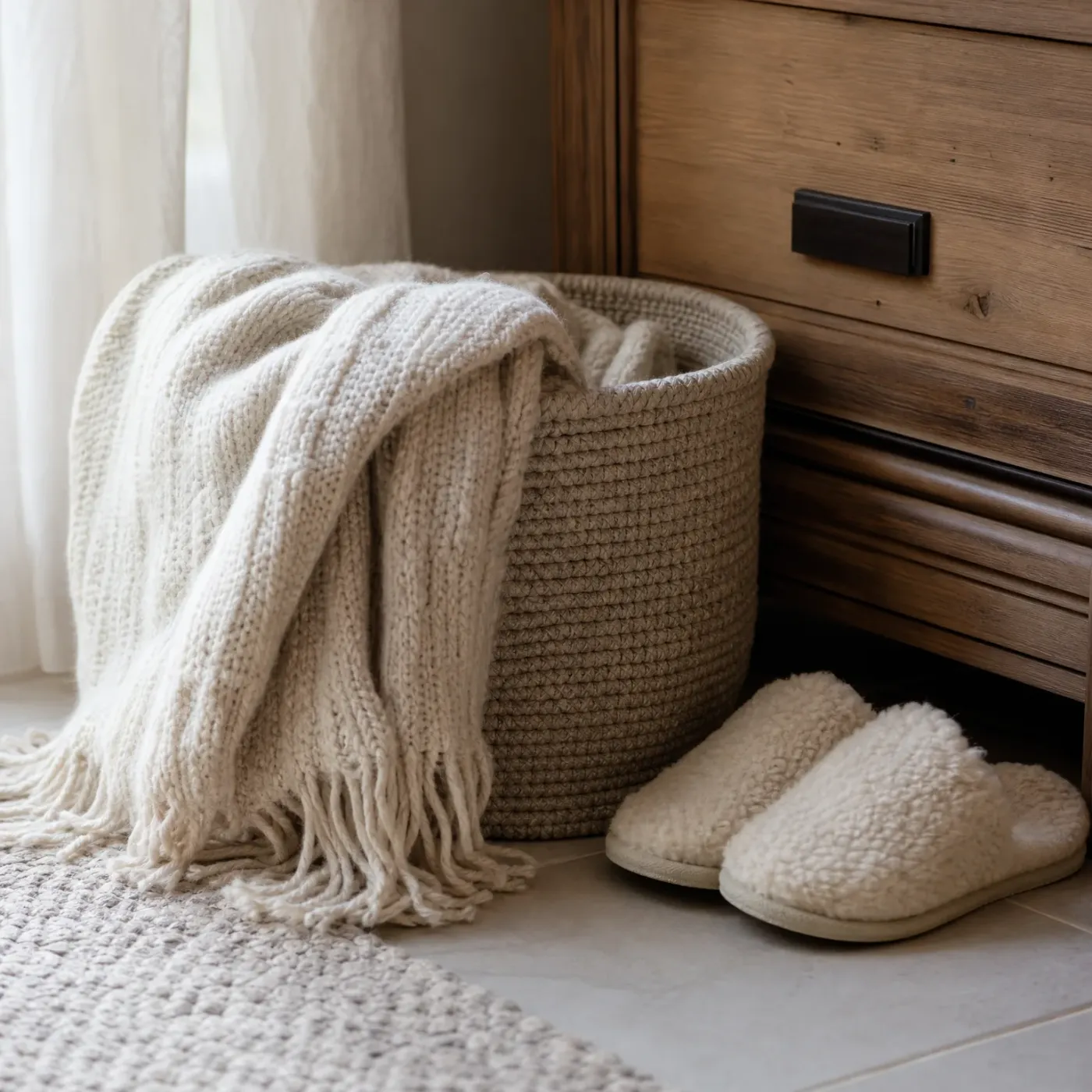
  • A woven basket holding a fringed cream knit blanket sits on a tiled floor beside a wooden dresser, with a pair of fleece slippers on the floor to the right and a textured rug in the foreground.
    • One request ends the search for a heat pump installer.
    • Send the form and the search for an installer is over.
  • A ceramic table lamp with a tapered linen shade sits on a wooden console table beside a potted succulent and small brass bowl, with a gray upholstered armchair, knit throw and window at left and a wicker basket below.
    • Skip the round of in-home estimates for a new heat pump.
    • Describe the project once instead of to every installer.
  • A beige fabric sofa with a gray throw pillow beside a window, with a tripod floor lamp, a potted eucalyptus plant on a wooden tray, and a light wood coffee table in the foreground.
    • A licensed installer who works in Madison County gets your project.
    • One installer gets your project, so there's no bidding war over it.