

Running fine in the cold
Above 25 to 30 degrees or so, a heat pump like this one pulls heat from the outside air cheaper than a gas furnace burns it. The fins stay clean, the unit cycles normally, and your power bill carries the load without strain.
Send the form and the search for an installer is over.
Let a pro reach outYou've got a heat pump now, and you're probably wondering how the running cost stacks up against the gas furnace most of your neighbors still rely on. Power is cheap here, but gas heat is the local default for a reason, and you want to know if you came out ahead or behind before winter settles in.
A heat pump moves heat instead of burning fuel for it, so it uses less energy per degree of warmth than a furnace does. With power cheap in Nebraska, that usually makes it the cheaper way to heat down to somewhere in the 30s. Below that, the unit has to work harder to pull heat from colder air, and a lot of heat pumps switch to backup electric resistance heat once it gets cold enough, which costs more to run than gas. Where that crossover point sits depends on your specific unit. On the coldest nights of a Nebraska winter, gas can end up cheaper per hour than running a heat pump on backup heat.
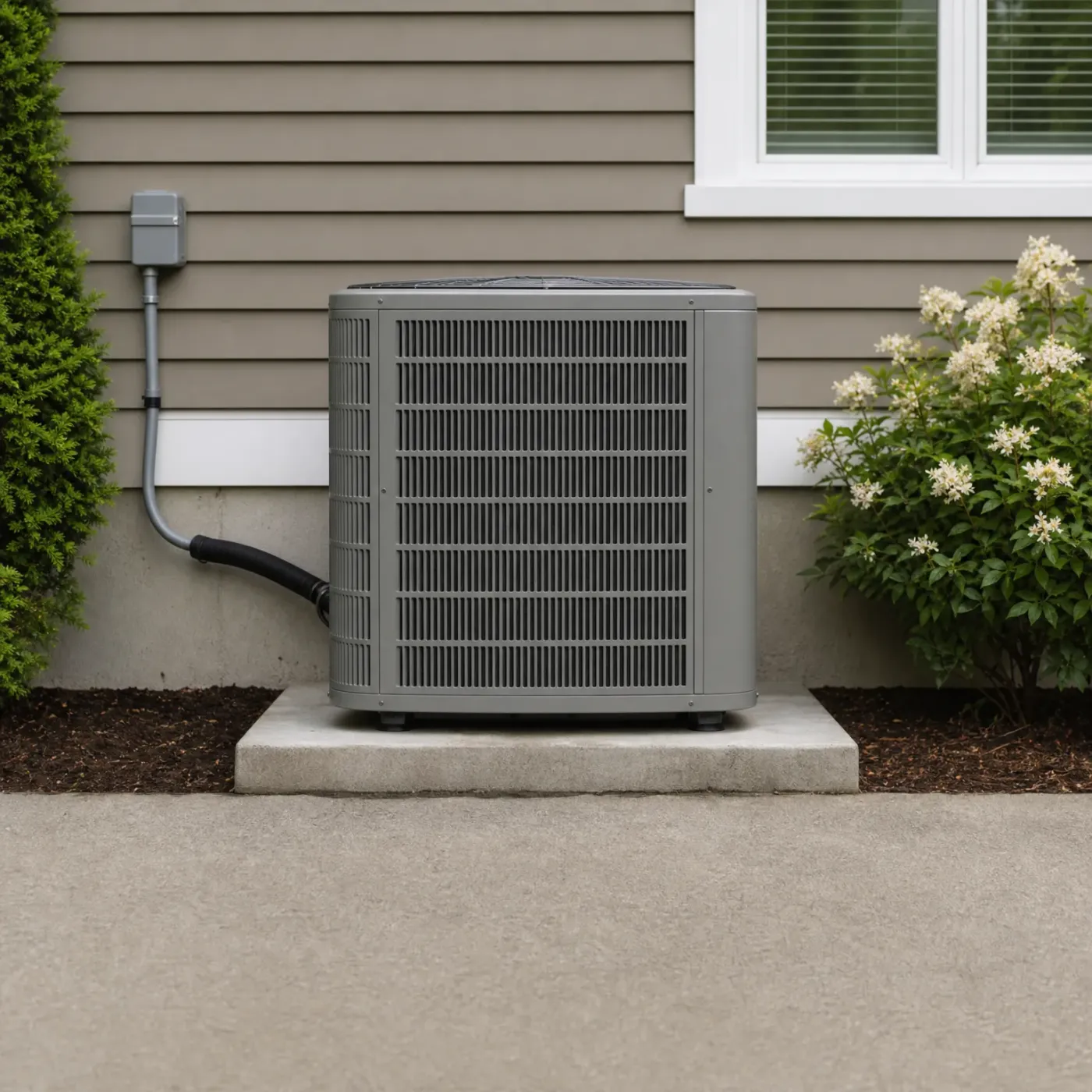
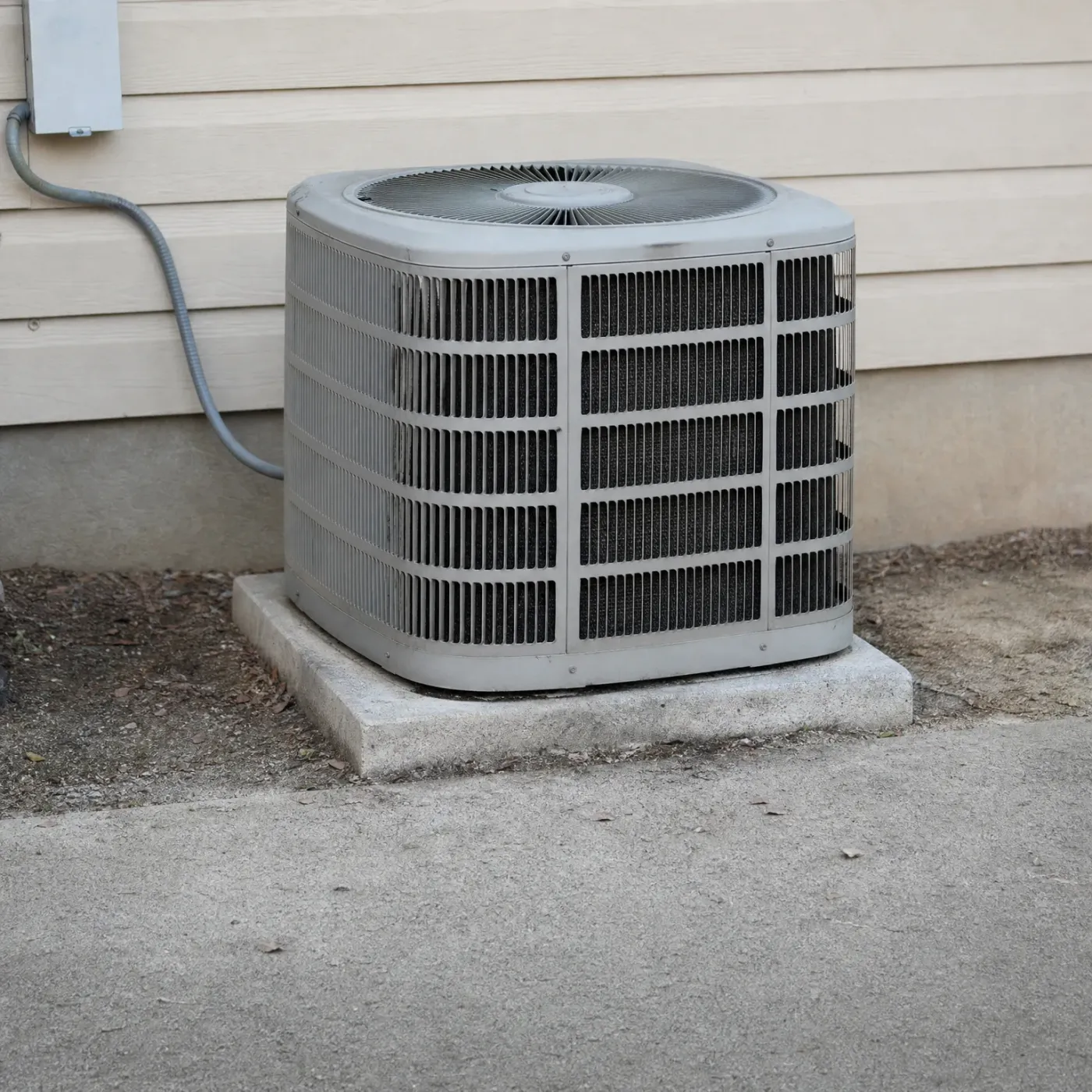
Above 25 to 30 degrees or so, a heat pump like this one pulls heat from the outside air cheaper than a gas furnace burns it. The fins stay clean, the unit cycles normally, and your power bill carries the load without strain.
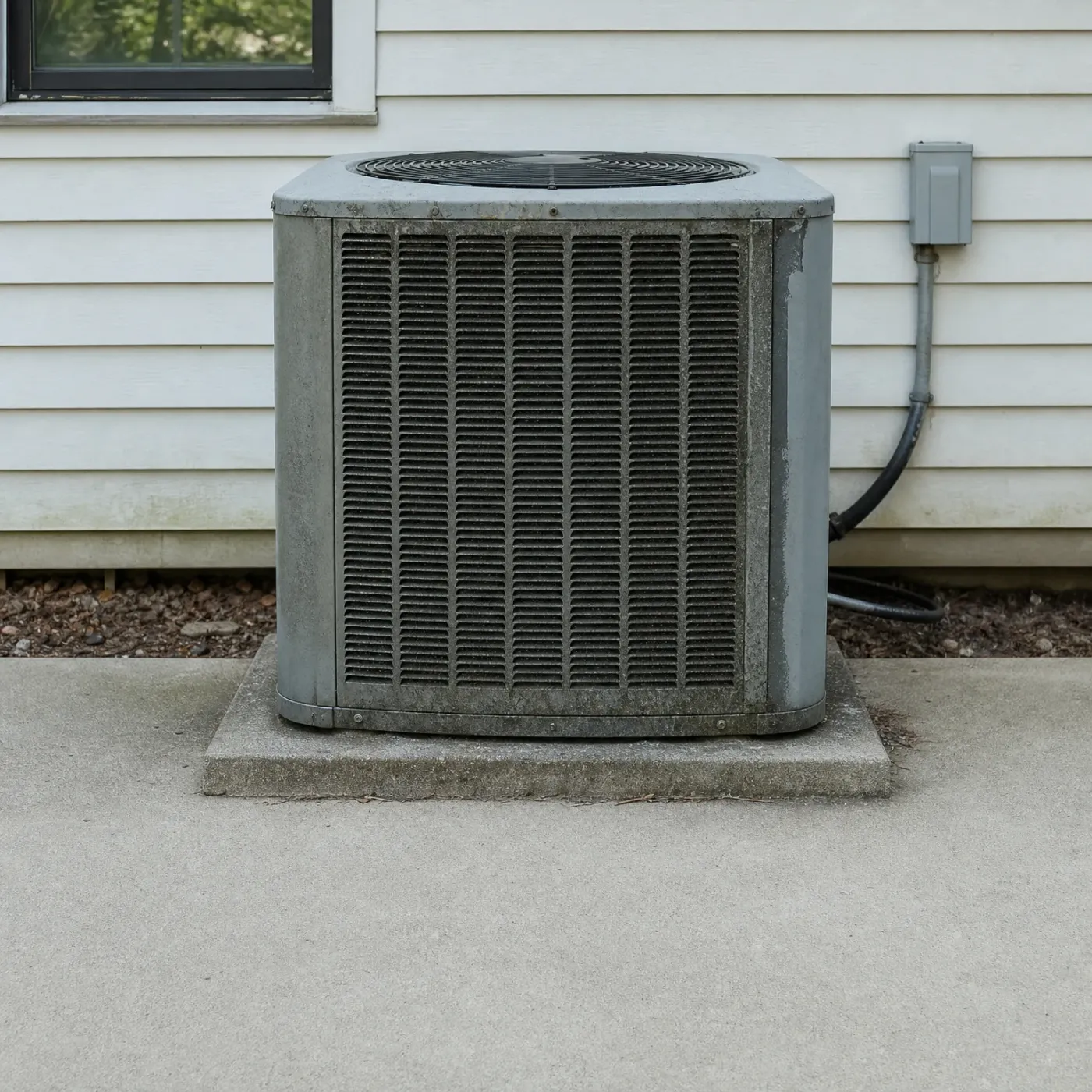
Once Nebraska temperatures fall hard, a heat pump has to work harder for the same heat, and dirt or ice built up on the fins like this makes it work harder still. That's where the cost comparison with gas starts to shift.

Once it gets cold enough, your heat pump leans on backup heat to keep the house warm, and that's where the running cost can creep past what a gas furnace would have charged you. If the system isn't set up right for a Nebraska winter, you can end up paying more some months than the neighbor with gas ever does. You won't know until you check your own bill against the weather that month.
Finding someone who actually installs heat pumps for Nebraska winters, not just air conditioning, usually means a run of calls: asking around, getting put on hold, explaining the same thing about your system to three different companies before anyone gives you a straight answer. Send the form once and that search is off your plate. A licensed installer who knows how these systems should be sized and set for the cold gets in touch, and you go back to just living in the house.

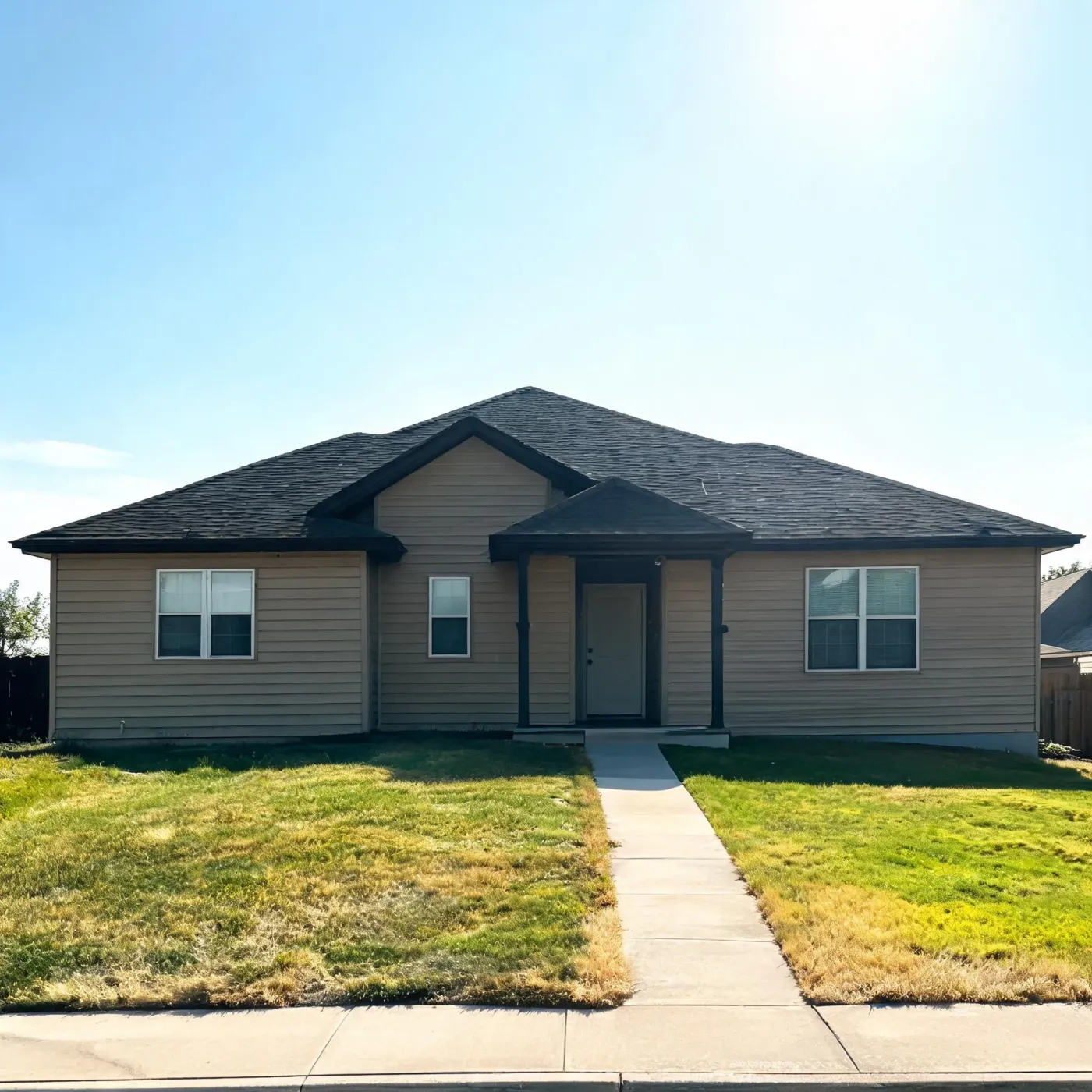
Summer air here holds a lot of moisture. The dew point averages 61°F across June, July and August, which is the sticky range, and your heat pump has to pull that moisture out of the air as well as cool it. That's extra work the coil does on top of lowering the temperature. On the muggiest days you'll notice the system running longer to get the house to feel dry, not just cool. If the coil is dirty or the charge is off, that extra load shows up fast on your power bill. Getting the sizing and setup right for this kind of summer matters more here than in a drier state, and once you send the form, you're done hunting for someone who can check it.
NASA POWER T2MDEW county cells weighted by homes
You already know the trade-offs by now: cheap enough above 25 or 30 degrees, leaning hard on backup heat once it drops below that, and pulling extra moisture out of thick summer air the rest of the year. Whether yours is actually running at a fair cost depends on how it was installed and how well it's been kept up, and that's not something you can tell from a utility bill alone. Getting someone out to look at it means the usual slog: searching for contractors, calling a few, explaining the same system and the same symptoms over and over, then sitting with quotes trying to tell a fair price from a markup. Send the request instead. One contractor who works on heat pumps in Nebraska gets it, and the comparing and explaining stops being your problem. You still live with the system every day. No reason to spend your evenings chasing down who's going to service it.
Every heat pump has a balance point, the outdoor temperature where it can no longer pull enough heat from the air to keep up, and the backup heat has to take over. For most heat pumps that point sits somewhere around 25 to 35 degrees, depending on the size of the unit and how well it was matched to your house. Below that line, the compressor is still running, but it's getting help from strip heat or a furnace, and that help is what drives the cost up. Where your balance point actually falls isn't something you can read off a chart. It depends on your specific equipment and how it was set up.
Two identical heat pumps can cost different amounts to run in the same Nebraska winter if one was sized and set up right and the other wasn't. A unit that's too small for the house hits its balance point early and leans on backup heat for weeks it shouldn't. One that's oversized short cycles and never settles into an efficient rhythm. Install is where that gets decided, not repair. A contractor who sizes the system to your house and sets the backup heat to kick in at the right point is the difference between a heat pump that beats gas most of the winter and one that quietly costs more than the furnace next door.




A heat pump earns its keep by moving heat rather than making it, so most of the time it only needs a fraction of the energy a gas furnace burns for the same warmth. That holds up fine on a mild day. Once the outdoor air gets cold enough, there's less heat out there to grab, and the compressor has to work harder to pull the same amount in. Past a certain point it can't keep up at all, and the system switches over to electric resistance backup heat. That backup runs the coils straight off power, building heat from nothing instead of relocating it, and it costs more per hour than the heat pump's normal cycle or a gas furnace. A thermostat that recovers too fast after a setback can trigger that backup more than the weather actually calls for. So can a frosted outdoor coil, which forces a defrost cycle and leans on backup heat for a few minutes while it clears. None of that shows up as a separate line on your power bill. It just shows up as a higher one.
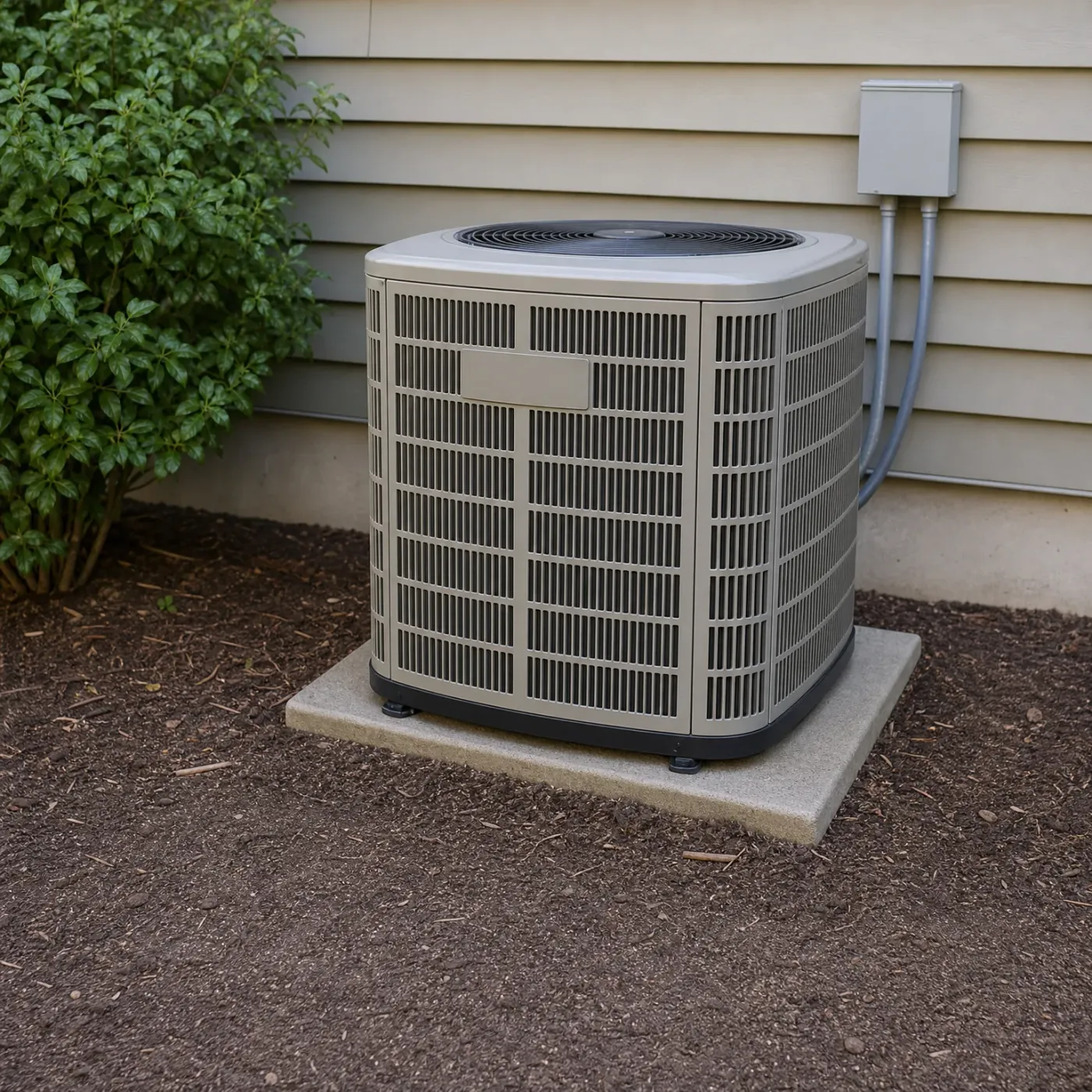
The thermostat calls for heat and the reversing valve switches position.
The outdoor coil pulls heat out of the cold air outside.
The compressor squeezes the refrigerant to raise its temperature.
The indoor coil releases that heat into the air moving through your ducts.


At 12.05 cents per kilowatt-hour, every kilowatt your heat pump pulls to run the compressor and the backup strips is cheap compared to most of the country. That's what keeps a heat pump competitive with gas here at all, down to the point where backup heat takes over.
EIA-861 2025 statewide residential average
So the honest answer is that it depends on the weather outside right now, and on whether the system itself is set up to make the most of cheap power before backup heat has to take over. Above that balance point, your heat pump beats the gas furnace on cost. Below it, the backup strips can erase that edge fast, and only a system that's wired and sized right keeps the gap small. You don't have to figure out on your own whether yours is one of them. Instead of calling around to find someone who works on heat pumps in Nebraska, explaining the setup over and over, and sorting through quotes to see who actually knows this equipment, you send one form and the search is done. Someone qualified takes it from there, and the question of whether your system is costing you more than it should finally gets a straight answer.
Let someone else find the pro