



Cornhusker Heat Pump
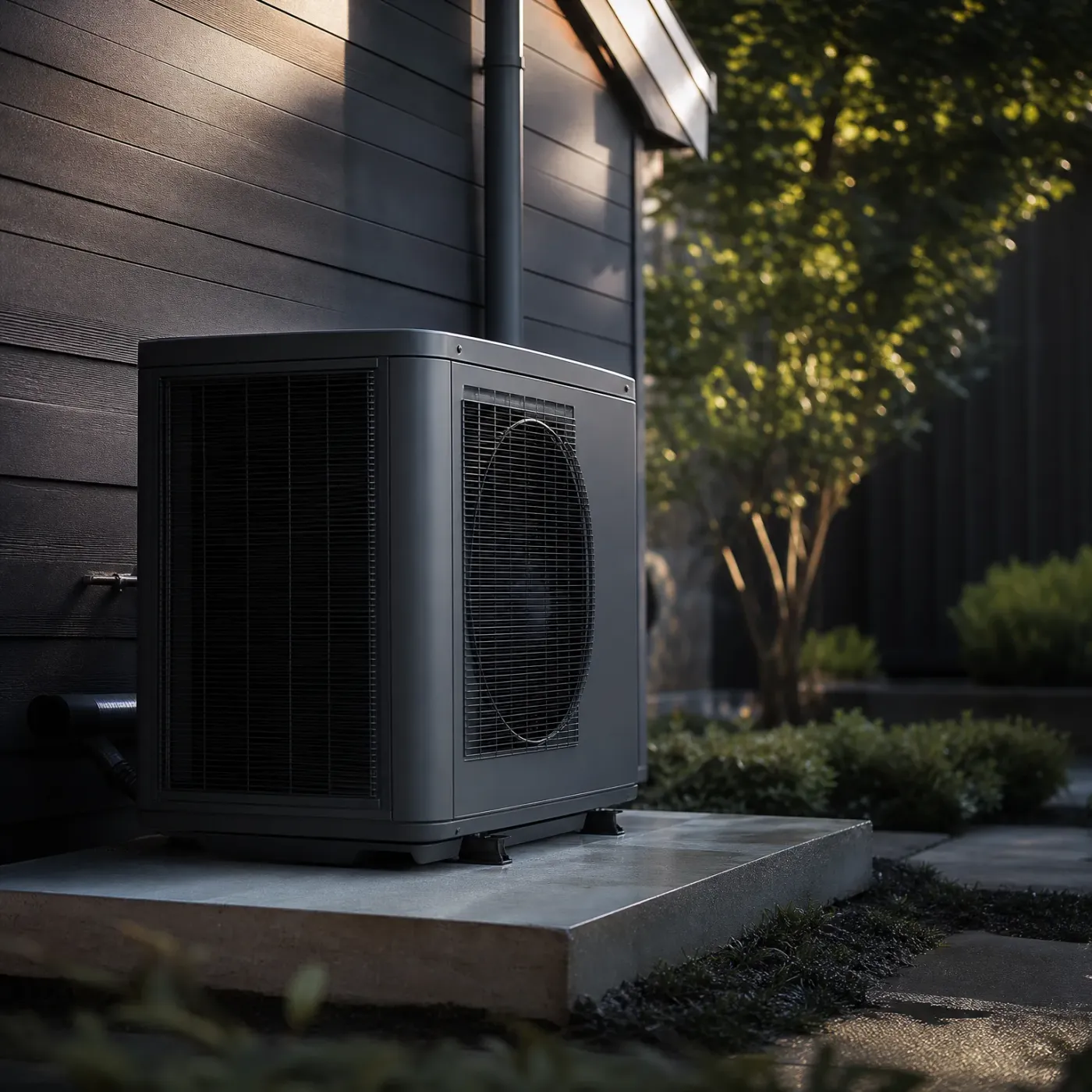
A gray outdoor condenser/heat pump unit with a side fan grille sits on a concrete pad beside a dark horizontal wood-sided house, with shrubs and a small tree nearby.

It's off your list after this

How long heat pumps last in Nebraska

Most heat pumps run 10 to 15 years, but what that looks like in your house depends on how hard it works keeping up with a muggy Nebraska summer and a cold winter, and whether it was sized and installed right in the first place. This page gets into what actually shortens or stretches that span. When you've got a sense of where you stand, send your details and a licensed local contractor who works on these year-round will take it from there.

Hand it off

A heat pump in Nebraska typically lasts 10 to 15 years. Winter is what wears it down fastest here. Most homes in the state heat with gas, so the heat pump usually isn't carrying the coldest months alone, but it still has to work through freezing stretches when it may run defrost cycles over and over to keep the outdoor coil clear of ice. That cycling adds wear a system in a milder climate never sees. Summer humidity adds its own load, since a sticky Nebraska summer keeps the compressor running longer to pull moisture out of the air along with the heat. A unit that's undersized for the house, or one that was installed without the refrigerant charge and airflow set correctly, tends to fall short of 10 years. One that was sized and installed right, and kept up with, is more likely to reach 15. If yours is already past that mark, or struggling to keep rooms comfortable, it's worth having someone qualified take a real look at it.

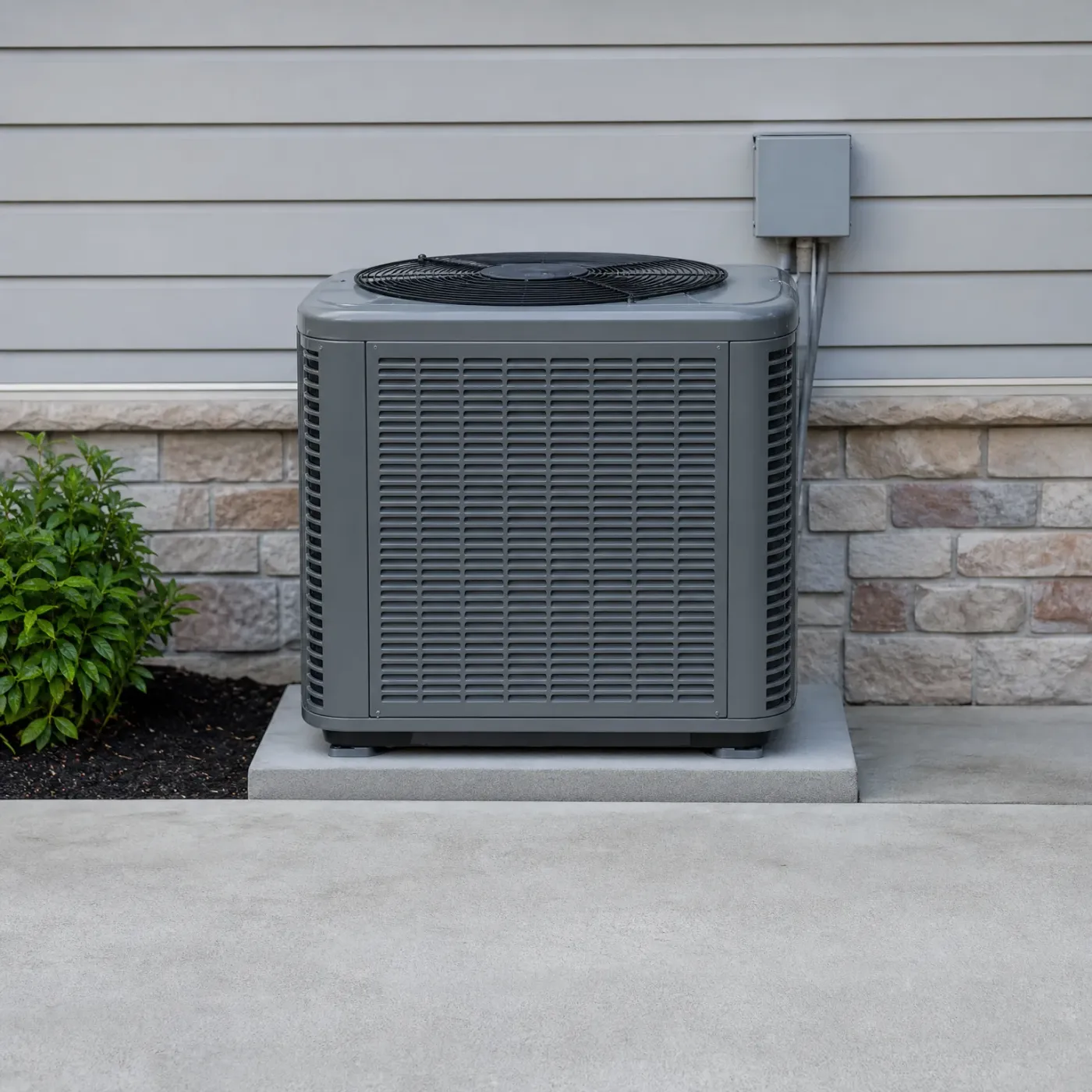
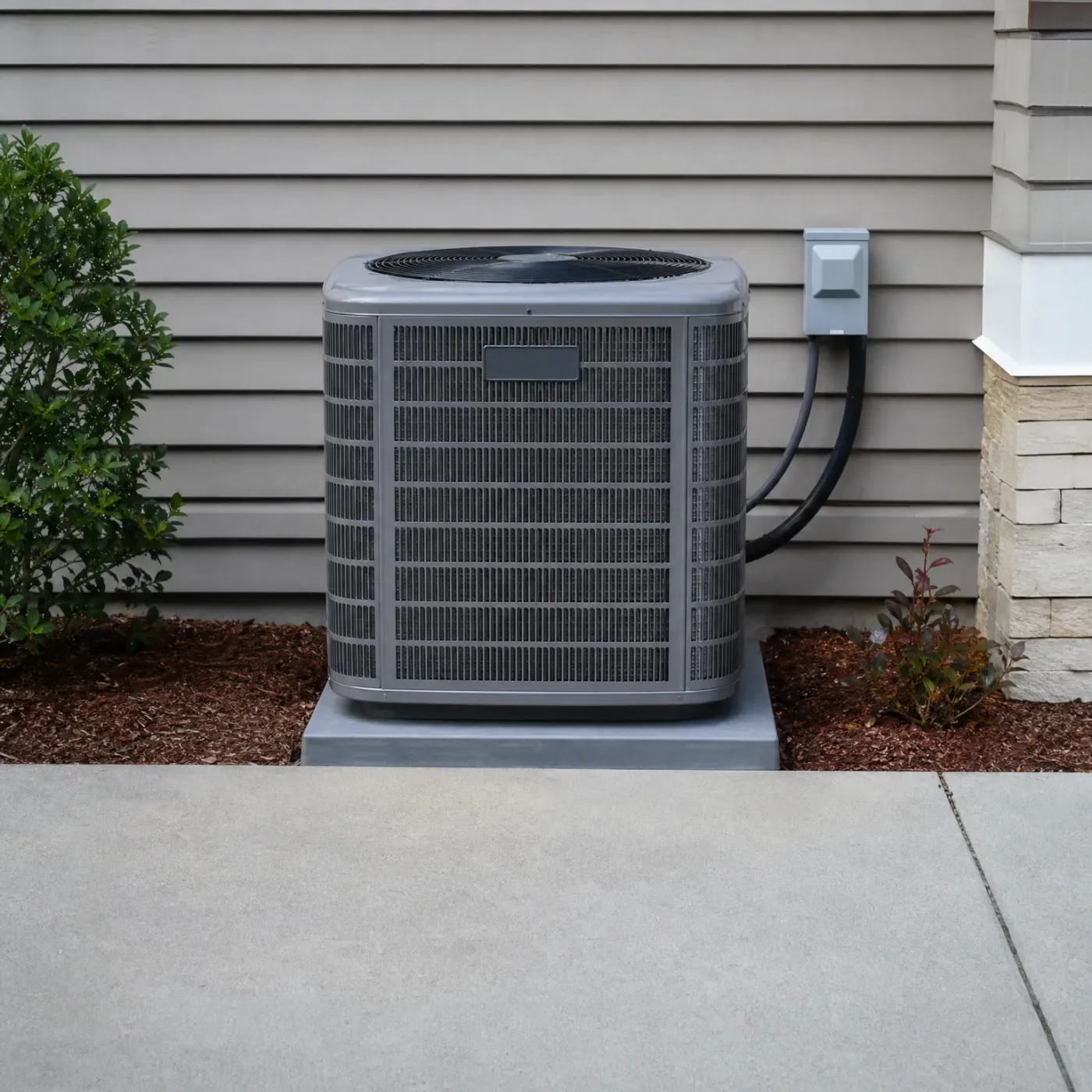
A gray outdoor condenser unit sits on a concrete pad against a house wall with horizontal siding above a stone veneer base, with an electrical disconnect box and conduit on the wall and a leafy shrub in mulch to the left.
A unit like this one, still on its original pad with clean lines and a clear disconnect box, is keeping up fine with what the Nebraska weather asks of it.
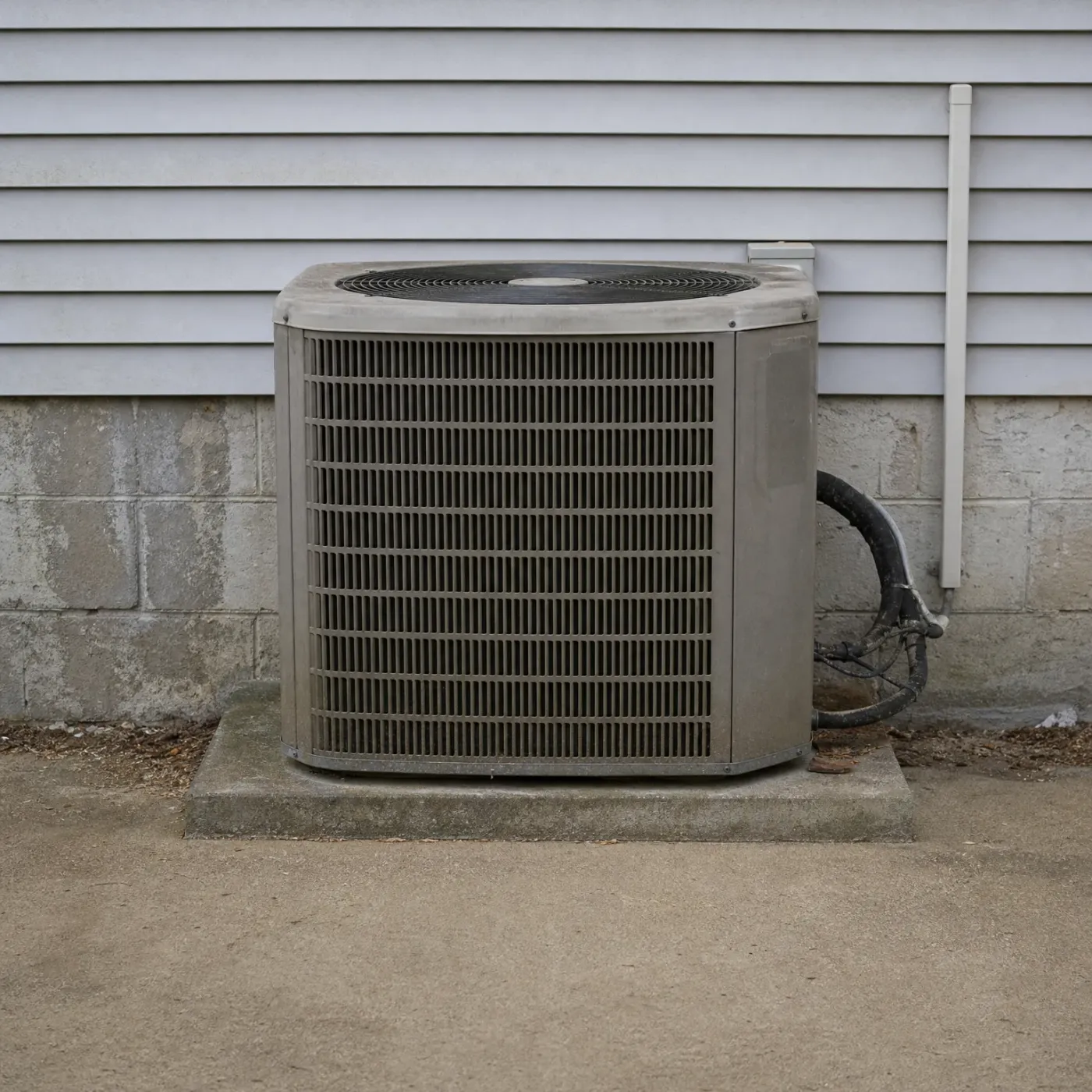
An outdoor air conditioner condenser unit on a concrete pad beside a house with horizontal siding above a concrete block foundation, with insulated refrigerant lines and a vertical white pipe on the wall.
Lines running along a block foundation and siding showing its age are often a sign the unit is working harder than it should, even if it still runs.
A gray-haired man in a dark long-sleeve shirt sits on a gray sofa in a living room, looking toward a sunlit window with sheer curtains.
A gray-haired man in a dark green sweatshirt sits on a sofa in a living room, looking toward a bright window, with a houseplant, lamp, fireplace and framed art behind him.
A gray-haired bearded man in a dark green collared sweater sits on a sofa in a living room with a window, houseplant, floor lamp and bookshelves, looking off to the side.
A gray-haired man in a dark green sweater sits on a sofa in a sunlit living room, looking off to the side, with a framed landscape painting, dining table and shelving behind him.

What actually wears out first on a heat pump here?

You've had the heat pump for a while and you're starting to wonder what's actually going to go wrong with it first. Most homes here lean on gas for the coldest months, but your heat pump still runs hard keeping up with a muggy summer and whatever winter throws at it in between. Knowing which part gives out first tells you what to watch for and when a repair call is more than routine maintenance.

The outdoor unit's compressor and coil take the worst of it

The outdoor unit sits outside year round, so it takes the brunt of both seasons. In winter it has to pull heat out of cold air, and the coil out there can ice over during freezing stretches, which forces the system into defrost cycles that add wear over time. In summer it's doing the opposite job, rejecting heat into already muggy Nebraska air, which means the compressor runs longer to get the same result. That back and forth, heating in winter and cooling in summer, asks more of the compressor and the outdoor coil than a furnace or a straight air conditioner ever has to give. When a heat pump finally quits, it's usually one of those two parts that goes first.

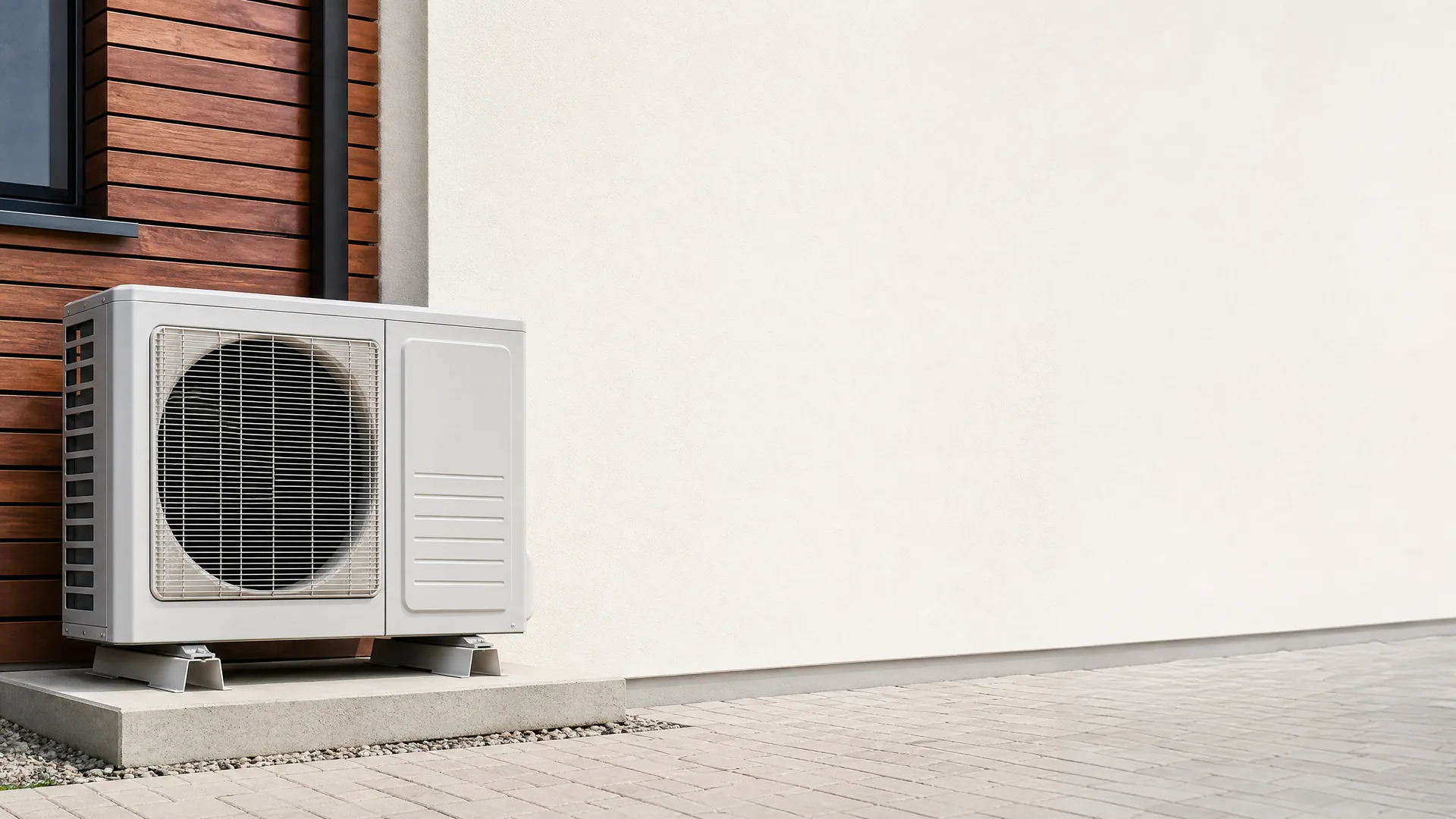
A white outdoor heat pump unit on a concrete pad beside a house with wood-slat siding and a large plain light-colored stucco wall, with paving stones in the foreground.

What the defrost cycle costs it

When it's cold enough outside, the outdoor coil frosts up and the system has to reverse and run heat strips or borrow heat to melt it off before going back to work. That cycle happens a lot during a Nebraska cold snap. It's normal, and the unit is built for it, but every defrost cycle is wear the compressor wouldn't see in a mild climate, which is part of why winter here takes more out of a heat pump than summer does.

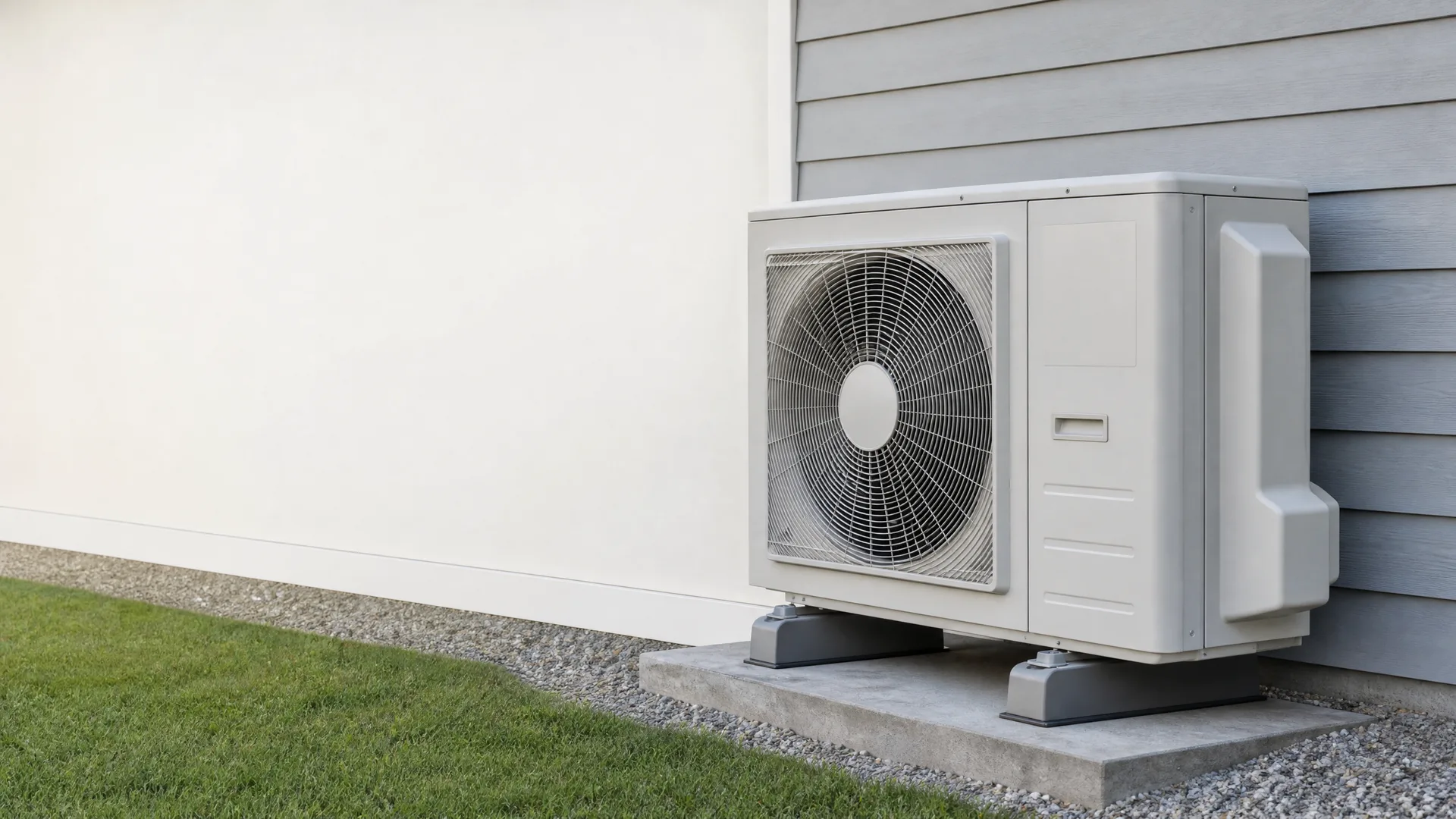
A white outdoor heat pump unit on rubber feet sits on a concrete pad beside a gray-sided house wall, next to a smooth light wall, gravel strip and lawn.

Why the backup heat matters

Most homes in Nebraska have a gas furnace paired with the heat pump, so the furnace takes over once it gets too cold for the heat pump to keep up on its own. That split matters for how long the heat pump lasts. A unit that only has to carry mild fall and spring days, and the easier end of winter, isn't straining the way one would if it had to run alone through every freezing week from November to March.

Is your heat pump actually struggling, or just old?

You might notice the outdoor unit running long stretches without shutting off, or ice building up on it that doesn't clear even after a sunny afternoon. Inside, the air coming out might feel cooler than it used to, or you hear it switch over to the gas furnace more than it seems like it should. Some homeowners notice a jump in the gas bill some winters, which usually means the heat pump handed off to the furnace earlier than it needed to. Left alone, a unit working this hard tends to keep working harder, and that's what shortens the years you get out of it.

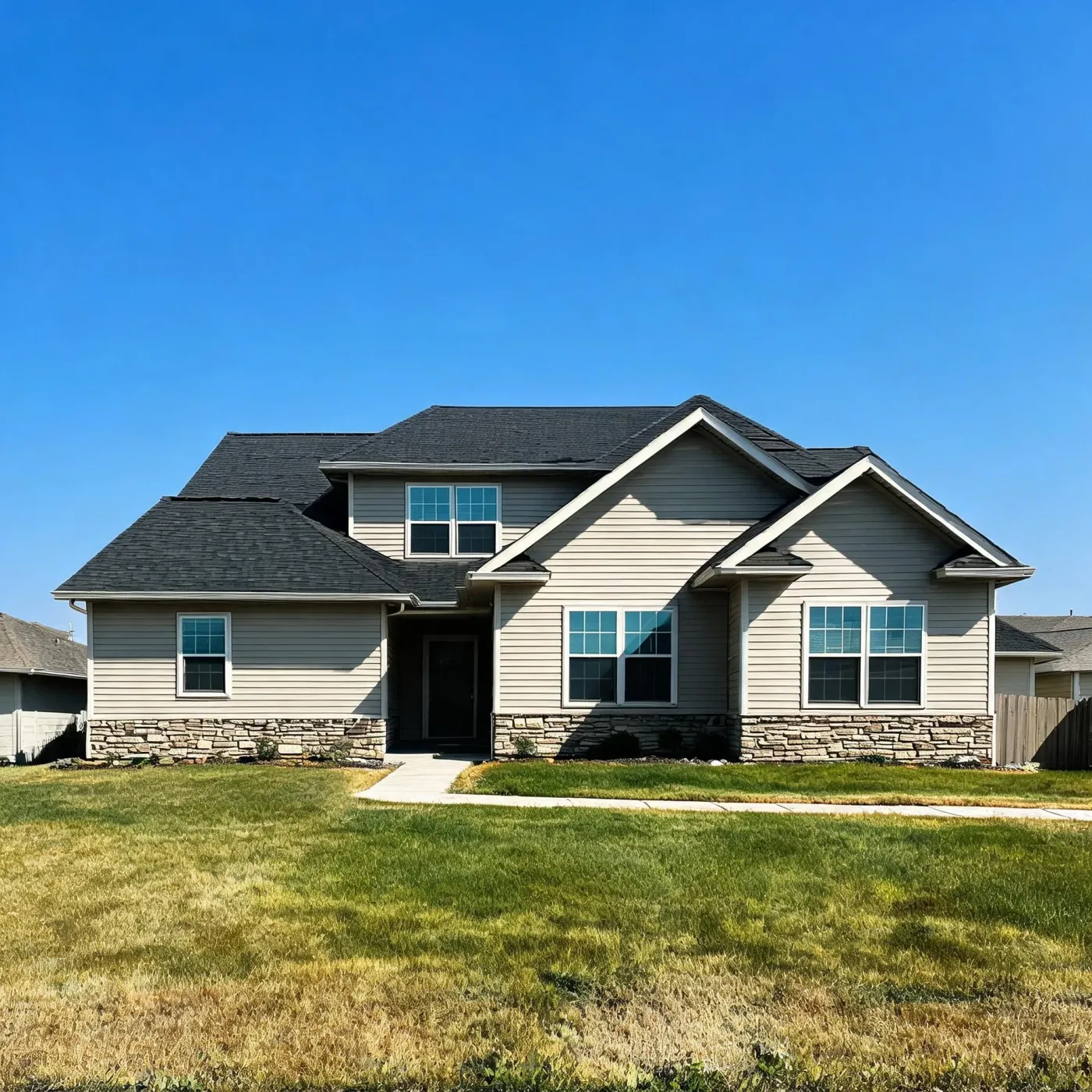
A two-story house with beige horizontal siding, stone veneer at the base, dark shingled gable roofs and a concrete walkway leading to the front door, set behind a patchy green lawn under a clear blue sky.

A summer dew point of 61°F is the average across Nebraska, according to NOAA climate data, and that's the number that tells you how heavy the air actually feels, not just how hot it reads on a thermometer. For your heat pump, that moisture means longer run times pulling humidity out of the air before the house even feels cool. You'll notice it as the indoor unit running more than you'd expect for the outside temperature, and the outdoor coil working through more cycles over a summer afternoon. That steady load adds up across the years the unit's expected to last.

NASA POWER T2MDEW county cells weighted by homes

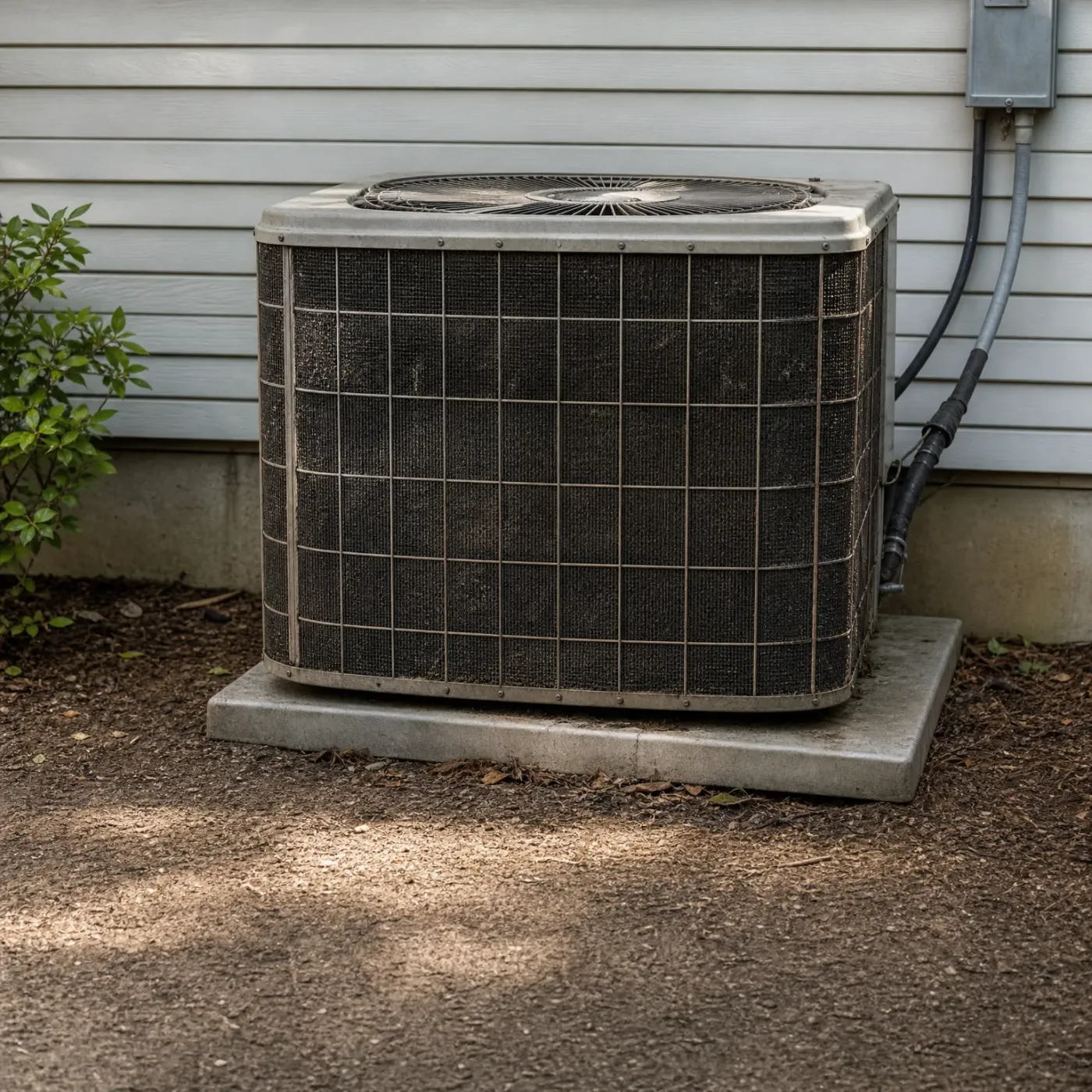
An outdoor air conditioning condenser unit with dusty coils sits on a concrete pad against light horizontal siding, with an electrical disconnect box and refrigerant lines on the wall and a shrub and mulch at left.
Before you get your heat pump installation
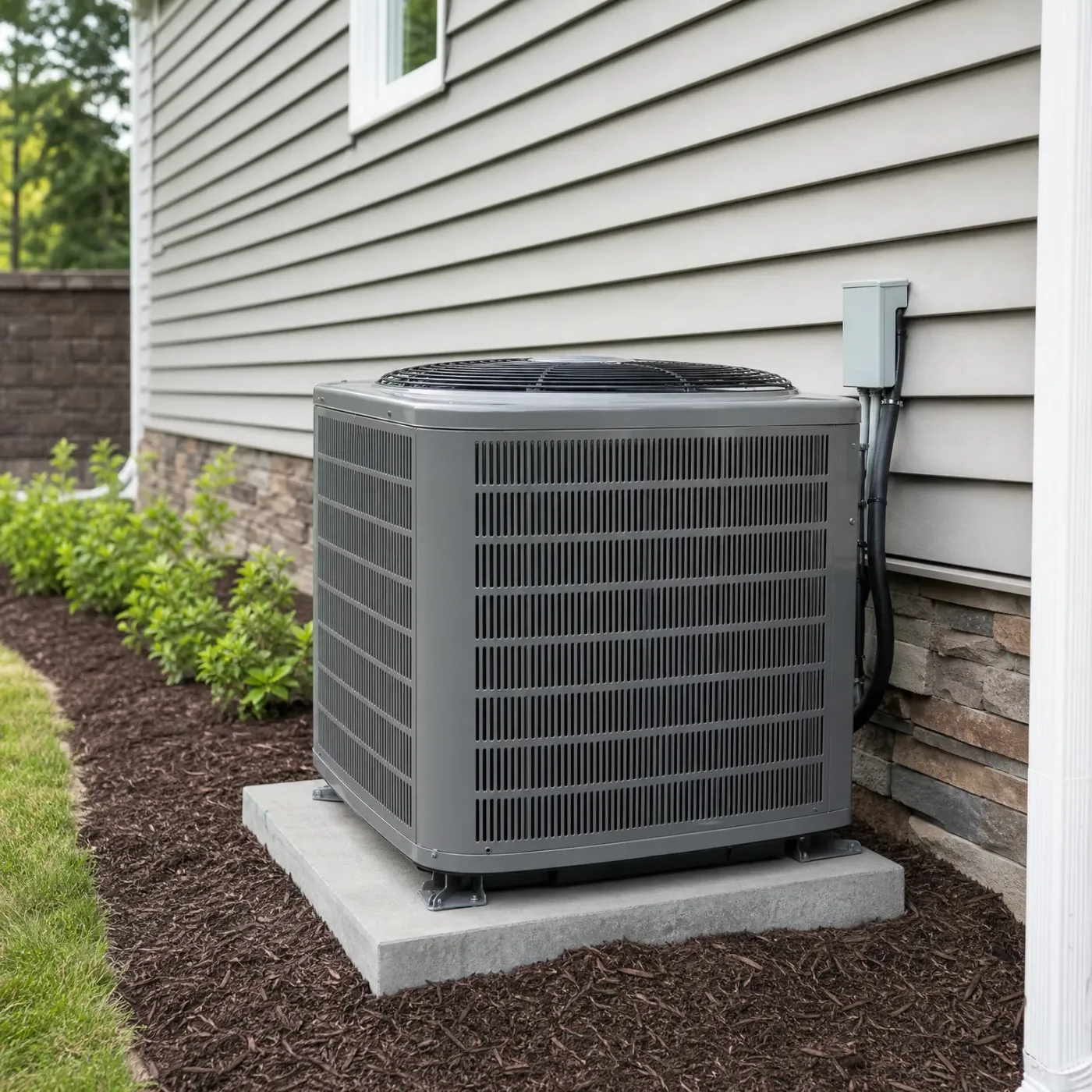
A gray outdoor condenser unit sits on a concrete pad beside a house with horizontal lap siding, with a wall-mounted disconnect box and refrigerant lines, mulched beds and a shrub nearby, and a concrete walkway in the foreground.
After you get your heat pump installation
A gray outdoor condenser unit on a concrete pad beside a house with horizontal siding and stone veneer, with a disconnect box and refrigerant lines on the wall, surrounded by mulch, shrubs, and lawn.

Stop chasing a heat pump pro

One installer gets your project, so there's no bidding war over it.

Send the form and stop researching installers for the new heat pump.

Reach a local pro

It costs nothing to send, and you don't have to hire anyone.

Power costs 12.05 cents per kilowatt-hour statewide

At 12.05 cents per kilowatt-hour, running the heat pump through those humid stretches doesn't punish your bill the way it might elsewhere. That's worth knowing when you're deciding whether to replace an aging unit now or let it limp through one more summer.

EIA-861 2025 statewide residential average

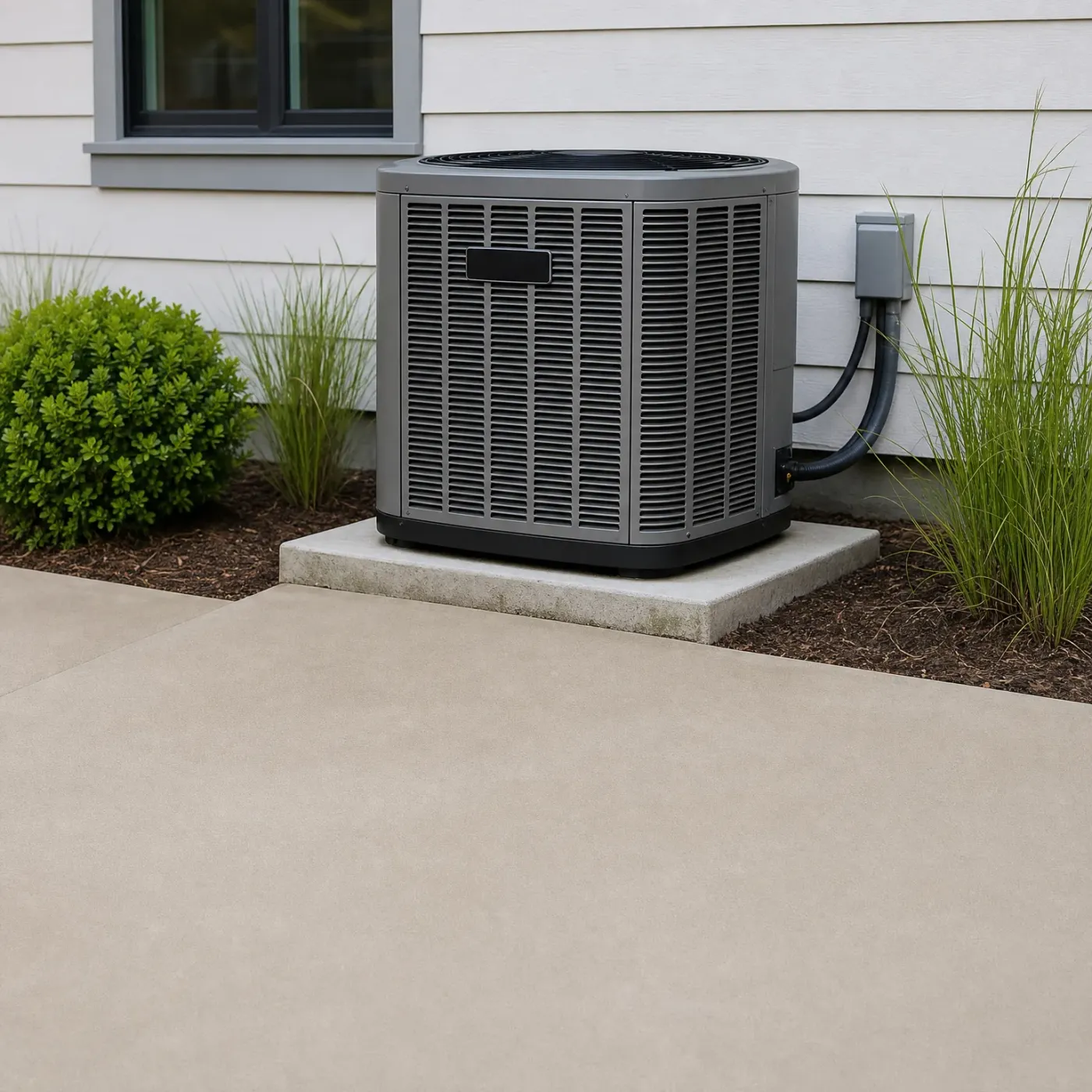
A gray outdoor condenser unit on a concrete pad beside a light-colored horizontal-siding house, with a disconnect box and refrigerant line on the wall, ornamental grasses and a shrub in mulch nearby, and a concrete patio in the foreground.

Running the way it should

A clean pad, clear lines to the disconnect box, and a bed of grasses that haven't been disturbed by repair visits. That's what a heat pump looks like when it's keeping pace with the work, not fighting it. Nothing about the setup is making its job harder.
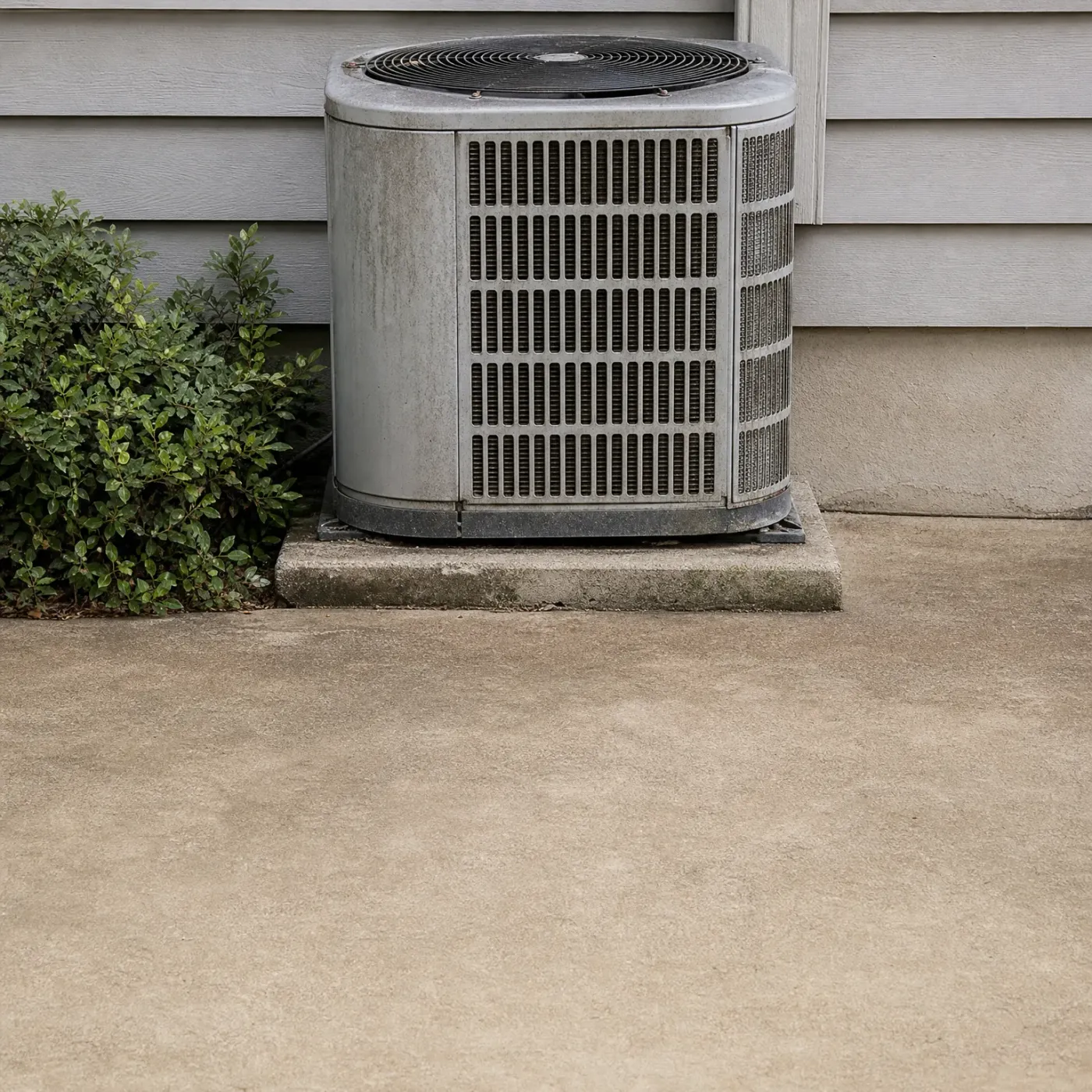

An outdoor air conditioning condenser unit on a concrete pad beside a house with horizontal lap siding, with a green shrub to the left and a wide concrete slab in the foreground.

Working harder than it should

Bare concrete right up to the cabinet, no bed, no break from the heat bouncing off the siding and pad in summer. None of that shortens its life on its own, but paired with long run times or ice that won't clear, it's a sign the unit is struggling, not just getting older.

Keep It Running or Replace It

Keep running it

  • If the compressor is original and running quiet, there's no fixed age where it has to be swapped out.
  • A unit that's been maintained and still holds its charge can keep cycling through another Nebraska winter without trouble.
  • Since most homes here lean on gas for the coldest months, the heat pump isn't the only thing standing between you and a cold house if it falters.
  • Cheap power here means an aging, less efficient unit still won't run up the bill the way it would somewhere with higher rates.
  • A unit under 10 years old with no history of repairs is usually still worth running as is.

Replace it now

  • If it's already past 12 or 13 years and needs a repair, that money is going into a system near the end of its life anyway.
  • A unit that's been through repeated defrost strain from Nebraska cold snaps may be weaker than its age alone suggests.
  • A properly sized, correctly installed replacement handles the muggy summer load without the long run times that wear an old unit down.
  • If the outdoor coil is icing and not clearing on its own, that's a sign the system is already losing the fight.
  • Getting it installed right the first time, by someone who works on this equipment all year, matters more for how long it lasts than the brand on the unit.
A woman with shoulder-length brown hair wearing a beige knit cardigan sits in a gray upholstered armchair near a window, looking off to the side with a slight smile, with bookshelves blurred in the background.
A woman and a child wrapped together in a thick knitted blanket on a sofa, both with eyes closed, with a lit table lamp and houseplant in the dim background.

Where Your Heat Pump Stands

  • Most heat pumps in Nebraska hold up for 10 to 15 years when sizing and install were done right from the start.
  • Gas heat in most homes here means the heat pump isn't the only thing standing between you and a cold January, which eases its workload.
  • Defrost cycles during cold snaps and long run times in muggy summers are what actually shorten a unit's life, not just its age.
  • A unit still on its original pad with clean lines and a clear disconnect box is usually one still keeping pace with what Nebraska weather demands.
  • A local contractor who services this equipment every season knows which parts tend to fail first in this climate and what to check before anything else.
  • Sending one request means one licensed local contractor looks at your system, not a handful of companies competing for the job.

Ten to fifteen years is the range, and where your unit falls in it comes down to how it was installed and what it's been asked to do since. Nebraska doesn't make a heat pump work alone. Gas handles most of the coldest nights in this state, so the compressor isn't grinding through January by itself, and that matters more for its lifespan than the calendar does. What actually shortens its life is the defrost cycles in a hard cold snap and the long runs during a sticky summer, not age by itself. A unit sitting on its original pad, with clean lines and a disconnect box you can still get to without moving anything, is usually one that's kept pace with what the weather here has asked of it. One that's worked hard for years can still look that way if it was sized right from the start.

If yours is past that window, or acting like it might be, getting someone out to look doesn't mean calling around. A contractor who works on heat pumps in this climate all season sees the same failures repeat: the same coil issues from defrost cycles, the same strain points from a muggy stretch in July. They know what to check first because they've already seen what tends to go first here. Send one request and one licensed local contractor takes a look, not three or four companies chasing the same job. That's the whole decision in front of you now: keep running what's still keeping up, or get a straight answer on what's not.

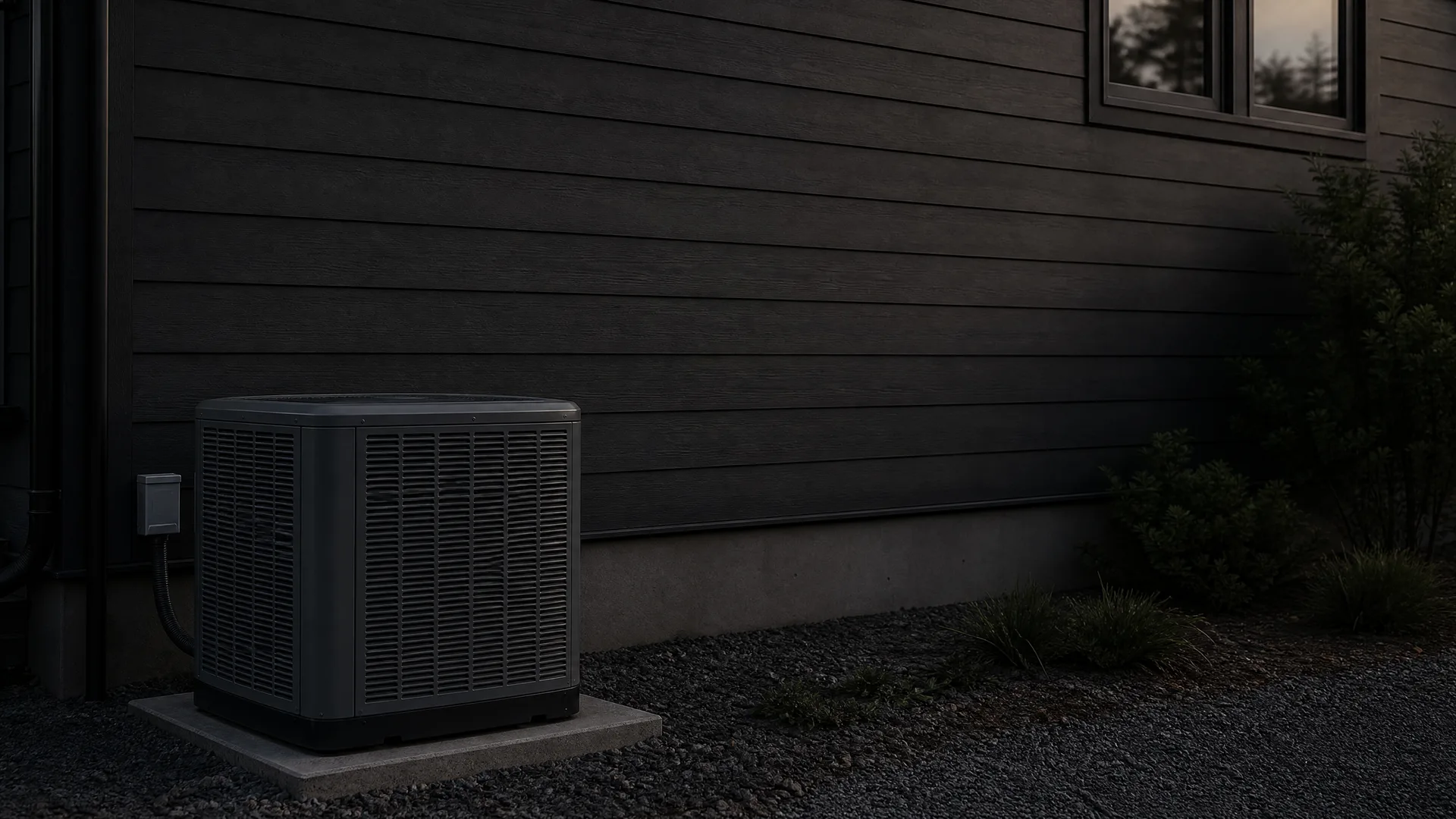
An outdoor condenser unit on a concrete pad beside a dark horizontal-lap-sided house, with gravel, shrubs and a small electrical disconnect box on the wall, in dim light.

Send one request and you're done looking

Your request goes to one pro, not a list of companies.

Step 1 of 3: Equipment