How cold is too cold for a heat pump in Nebraska
A heat pump starts losing ground once outdoor temperatures drop into the low 30s, and below 20 to 25 degrees most units can't pull enough heat from the air to keep up on their own. Nebraska winters sit well below that mark for stretches of December through February, which is why most homes here lean on gas furnaces instead. That doesn't rule a heat pump out. Paired with a furnace in a dual fuel setup, it can handle the milder days in fall and spring while the furnace takes over once it's truly cold, and it still does double duty cooling the house when summer turns sticky. The question isn't really whether a heat pump works in Nebraska. It's whether it's sized and paired correctly for how cold it actually gets where you live, and whether the switch to backup heat happens at the right temperature for your house.




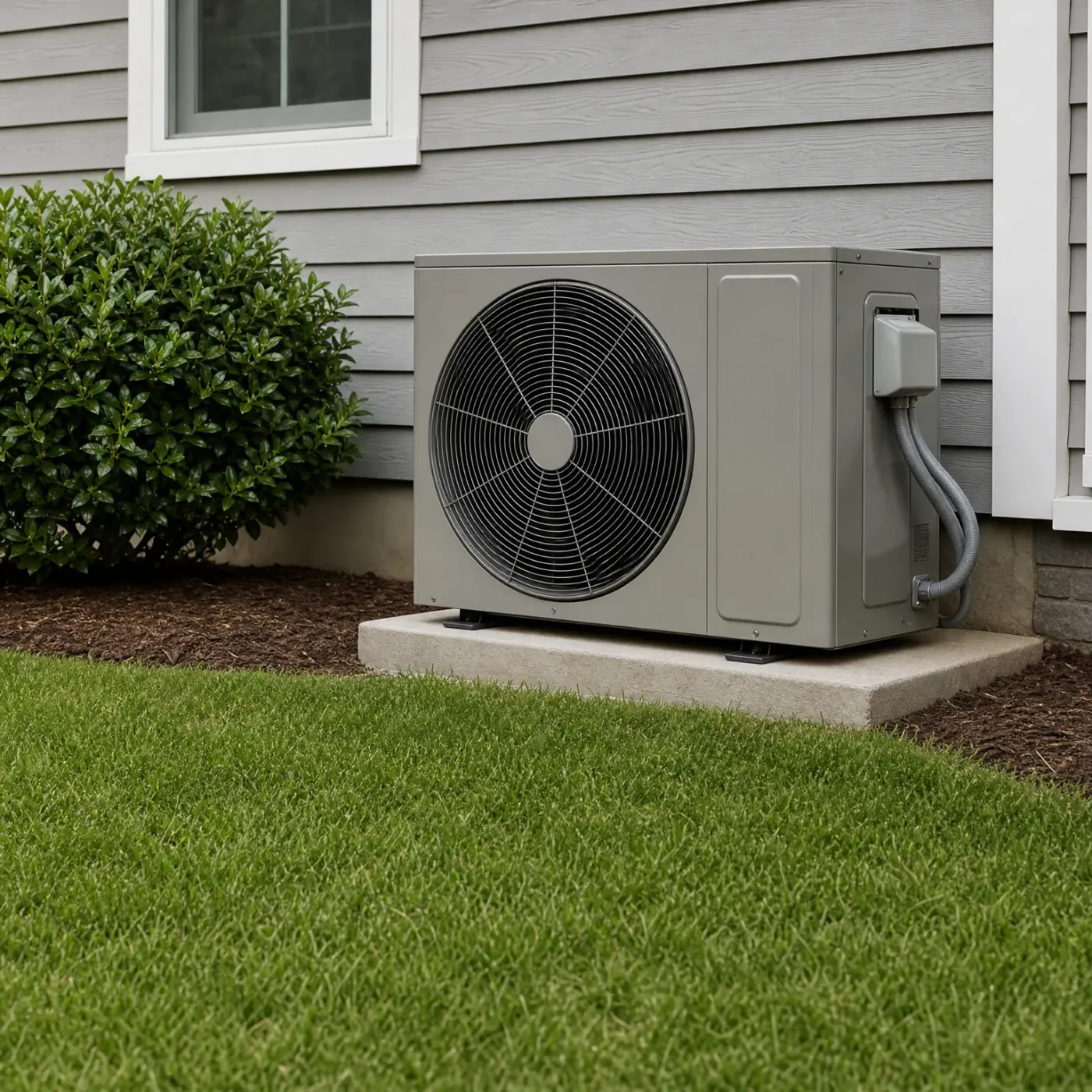
Cold air just holds less heat for the outdoor coil to grab, so as the temperature drops the compressor has to run longer to move the same amount of warmth into the house. When it can't keep pace, backup heat strips take over automatically, and those strips are what runs the bill up on the hardest nights. You'll also notice the system pause and seem to blow cool air for a few minutes at a time. That's the defrost cycle clearing frost off the outdoor coil, and it's normal. Where the heat pump stops being able to carry the house on its own, the balance point, comes down to how the unit was sized and matched to your home in the first place. A low refrigerant charge barely shows in mild weather but shows up fast once it's cold, because there's no cushion left to cover for it. A lot of homes here run the heat pump alongside a gas furnace, so the furnace picks up the load once outdoor temperatures pass what the heat pump can manage alone.
What happens in your system in the cold
- Below freezing, a heat pump's outdoor coil pulls in less heat with every degree the air drops, so the compressor runs longer to make the same warmth.
- Most systems switch on backup heat strips automatically once the outdoor coil can't keep pace, and that backup is what drives the bill up on the coldest nights.
- A defrost cycle kicks in every so often in freezing weather, briefly reversing the system to melt frost off the outdoor coil before switching back to heating.
- The thermostat's balance point, the temperature where the heat pump alone stops covering the house, depends on the unit's size and how well it was matched to the home.
- A refrigerant charge that's even slightly low shows up fastest in cold weather, since the system has less margin to make up for it.
- Many Nebraska homes pair the heat pump with a gas furnace as backup, letting the furnace take over once temperatures drop past what the heat pump can handle alone.
What a Hard Freeze Does at Home
- On a night near zero, the backup strips carry most of the load and that shows up on your power bill the next month.
- A thermostat that won't climb past the low 60s during a cold snap usually means the heat pump has handed off to backup heat, not that it's broken.
- If gas is your backup fuel, your furnace is doing the real work on the coldest days and the heat pump is just assisting.
- A dirty outdoor coil going into a January cold snap gets strained faster than a clean one, and it may not recover until temperatures climb back above the mid 20s.
- Rooms farthest from the air handler run coolest first when the system is struggling, since there's less heat to spread around.
- Short cycling or constant running without the house ever feeling warm enough both point to the same thing: the heat pump has reached its limit outdoors.
You'll feel the limit before you see it on a thermometer. The air out of the vents turns cooler, not warmer, and the thermostat sits a few degrees under where you set it. That's the heat pump handing the job to backup heat, which in most Nebraska homes means the gas furnace picking up the real load while the outdoor unit keeps turning but contributes less with each degree the air drops. Power is cheap here, so if your backup is electric strips rather than gas, the bill still moves, and you'll see it the month after the cold snap rather than during it. Which rooms suffer tells you something too. The ones farthest from the air handler cool first, simply because there's less heat being produced to push that far. A system that's been running dirty going into winter has less margin left when it gets cold, so a coil that was fine in November can leave you short in January, and it won't catch back up until the outdoor temperature climbs back into the mid 20s or higher. None of this means something's broken. It means the equipment is doing what it's built to do in weather it was never meant to handle alone, and the furnace or heat strips are there for exactly these nights.


Your summers aren't just warm, they're heavy. Dew points here average 61°F across June, July and August, per NOAA climate data, which is the sticky, hard-to-shake kind of humid. That matters for a heat pump because the same coil pulling heat out of your house in summer is also pulling moisture out of the air. A unit sized and installed right for Nebraska humidity keeps that coil running long enough to actually dry the air, not just cool it. One that's undersized or poorly matched leaves the house feeling clammy even when the thermostat says you're at temperature. Instead of calling around to find someone who installs for this climate and not just the textbook, a local contractor who works on these systems every summer already knows what sizing holds up against this kind of humidity.
NASA POWER T2MDEW county cells weighted by homes
Skip the search
One installer gets your project, so there's no bidding war over it.
Asking costs nothing, and the choice to hire stays yours.
A dual-fuel setup pairs the heat pump with a gas furnace, so the system switches to gas once temperatures drop low enough that gas heats the house for less.
Since most homes here already heat with gas, that switch-over is often just a matter of wiring the heat pump into the furnace already installed.
Power costs 12.05 cents per kilowatt-hour statewide
At 12.05 cents per kilowatt-hour, running your heat pump through those backup strips on the coldest nights costs less here than it would almost anywhere else. Once temperatures climb back above the mid-20s, it's your cheapest way to heat the house.
EIA-861 2025 statewide residential average
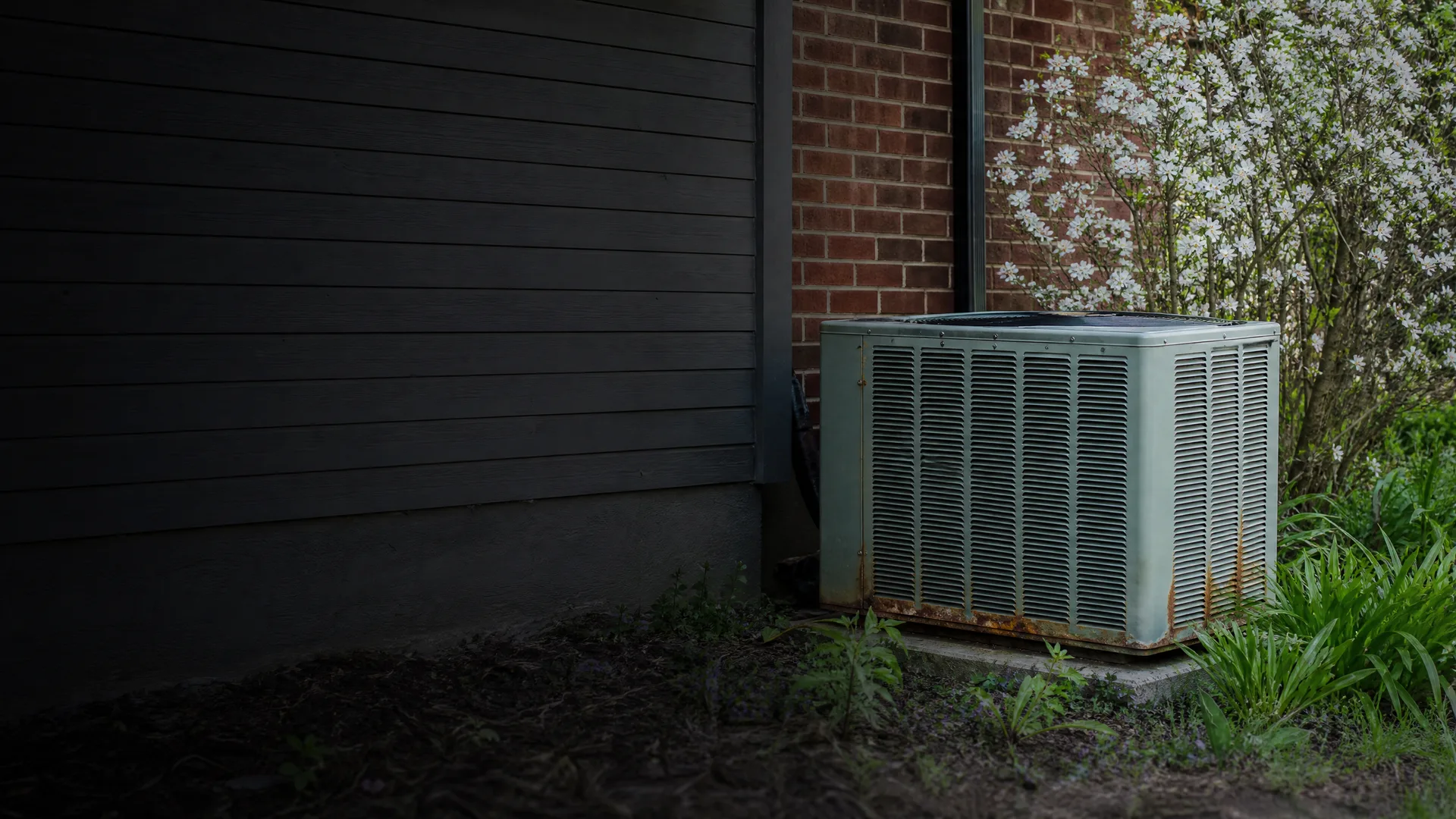
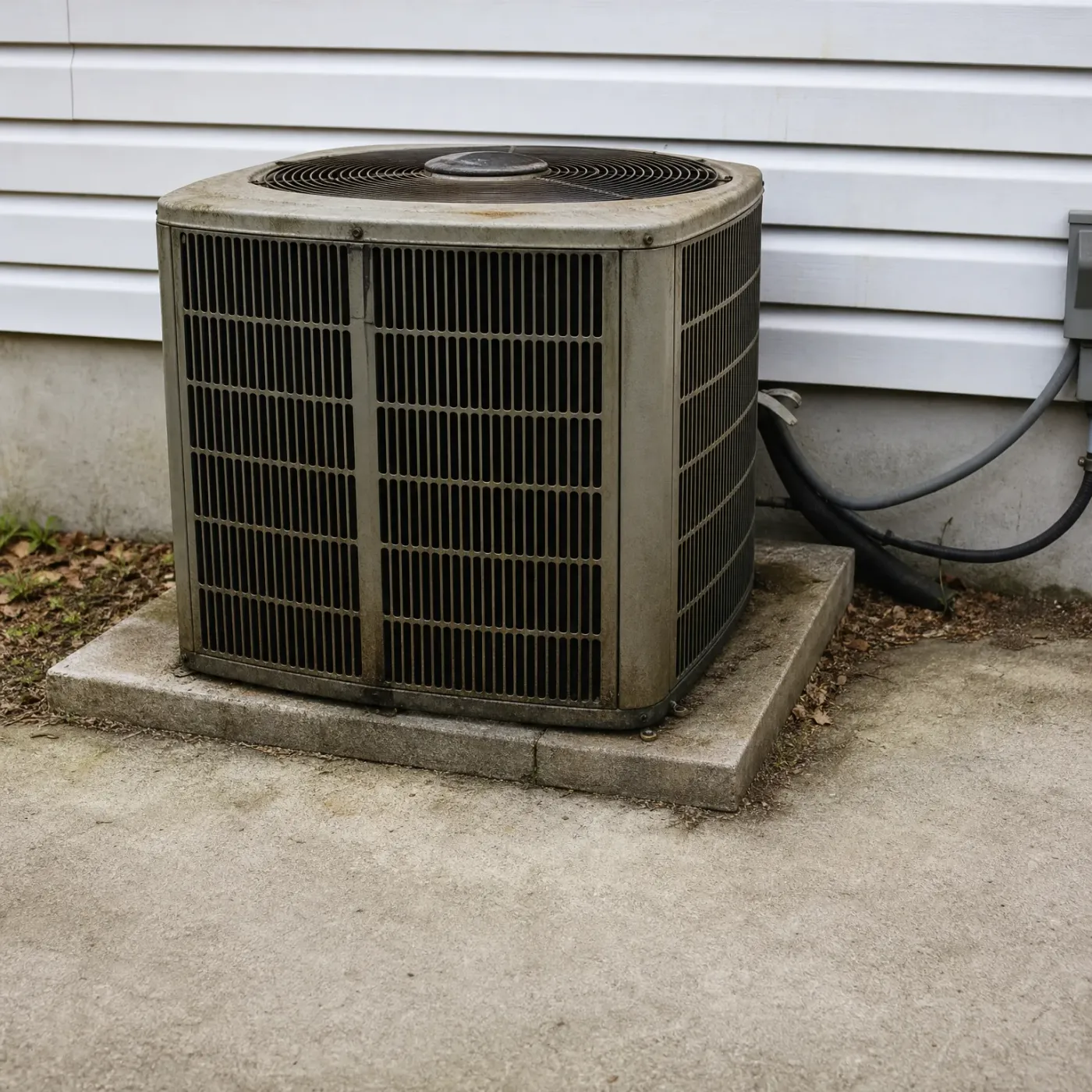
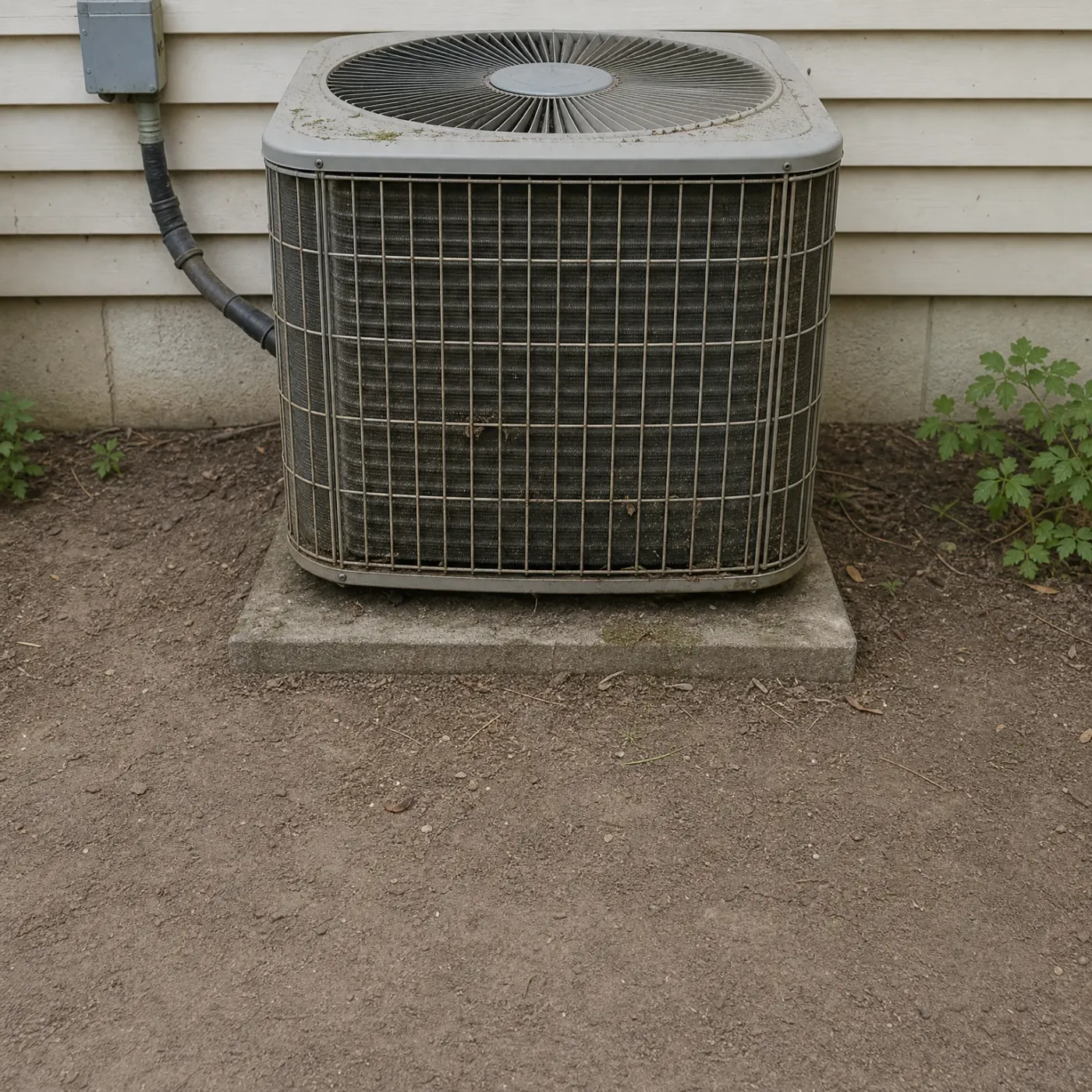
The rust shows first along the base, where snowmelt sat all winter and never quite dried out. It's a clear afternoon in March, warm enough that the unit should be carrying the house on its own again, but it cycles on and struggles, runs a long stretch, then stops short. You walk past it on your way to the garage and notice the fan sounds different than it used to, a little rougher. Inside, the thermostat reads a few degrees under what you set it to. The unit's been through enough Nebraska winters that the coil fins are bent in a few places and the cabinet seams have started to separate. It still runs. It just doesn't keep up the way it did.
Heat Pump Alone or Paired With Gas
Heat pump only
- Below 20 to 25 degrees, backup strips carry the load, and those draw far more power than the compressor alone.
- No gas line to run or maintain, which matters if the house never had one to begin with.
- One system handles both summer and winter, so there's only one piece of equipment to service each year.
- On the coldest nights in December and January, you're paying electric rates for most of the heat in the house.
- Install is simpler since there's no furnace or gas venting to tie in alongside the outdoor unit.
- Cheap power here softens the cost of those backup strips, but they still use more than the compressor by itself.
Dual-fuel with gas
- The system switches to the gas furnace once it's cheaper to burn gas than to run the heat pump's backup strips.
- Most homes here already have a gas line in, so the furnace side often isn't new equipment to add.
- You get the heat pump's efficiency through fall and spring, then gas carries the hard cold without relying on strip heat.
- Two systems means two things that can need service, though each one is only working half the year.
- The switch-over point can be set based on your actual electric rate against local gas prices, not a factory default.
- Install takes more coordination since the furnace, the gas line and the heat pump all have to work together.
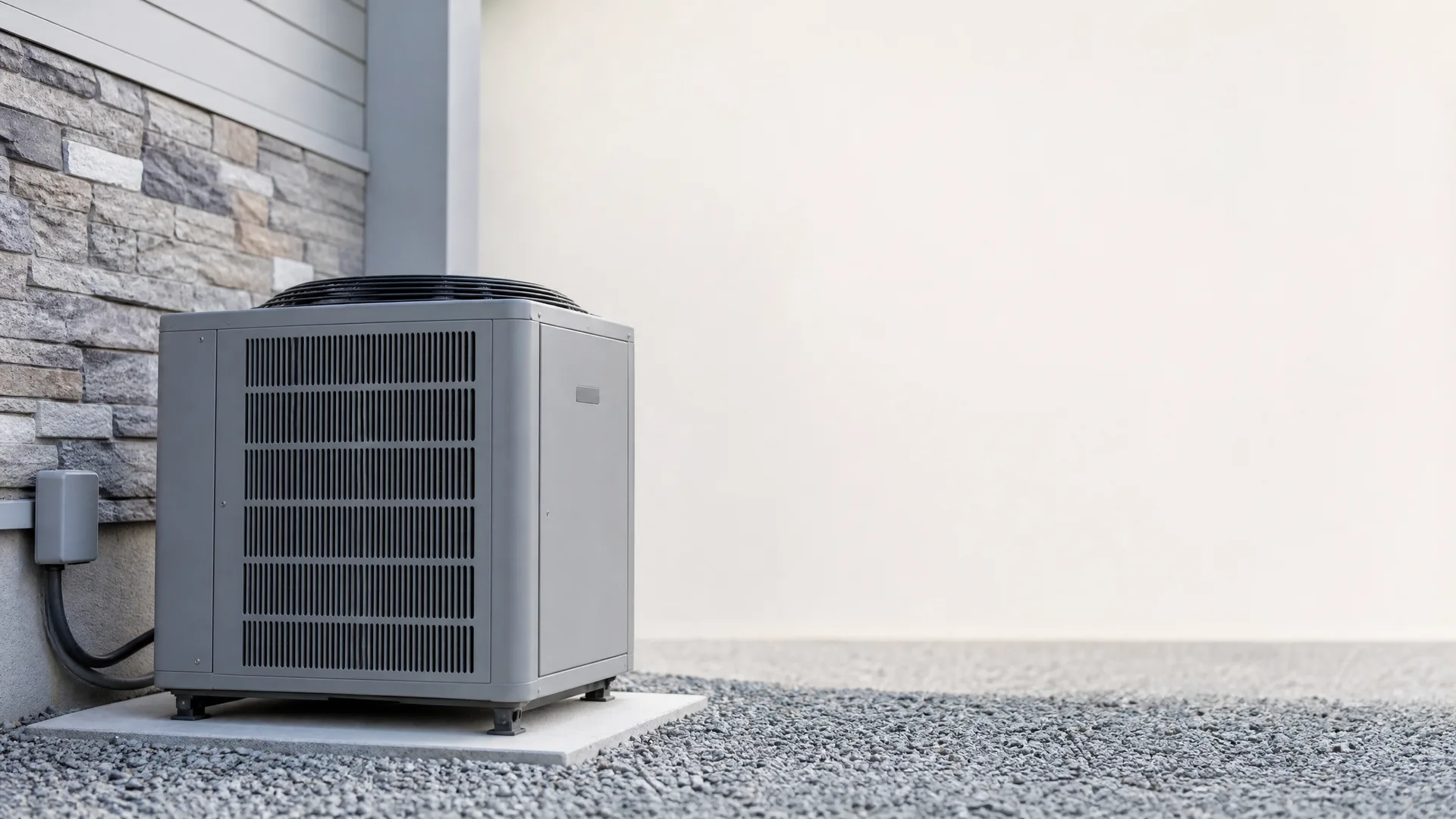
Sizing it for your house
A heat pump sized right for your house handles most of what a Nebraska winter throws at it before backup heat has to step in at all. Get the sizing wrong, low, and it leans on the strips more than it should, even on nights that aren't that cold. A contractor who installs these every season in your area knows what size matches your square footage and your ductwork, not just what fits the budget.
Finding someone to install it
Left on your own, this means calling around, explaining your situation to each one, waiting on quotes, then trying to compare bids that are never built the same way. Submit a request here and it goes to one licensed Nebraska contractor who works on heat pumps and dual-fuel setups all winter, not a handful of companies competing for the job. You explain your situation once, to someone who already knows what usually goes wrong in a Nebraska installation.

So how cold is too cold?
Below 20 to 25 degrees, a heat pump needs backup heat to keep your house warm, and Nebraska gets stretches of weather colder than that every winter. That's not a flaw in the equipment. It's just where the line sits, and a system sized and installed right for your house handles the rest of the winter on its own, backup included, without you thinking about it.
Right now you're likely piecing this together yourself: searching for a contractor who actually installs heat pumps in this climate, calling a few, explaining the same thing about your house to each one, then sitting with quotes trying to tell them apart. A local contractor who works on these systems all winter already knows what Nebraska cold does to them and what sizing and setup hold up to it. That's the part you hand off.

Explain it one time
No fee to send it, and nothing to sign.
A heat pump sized and installed right for your house won't leave you guessing every time the temperature drops. Instead of checking a forecast and wondering if the strips kicked on, you get a system set up to handle a Nebraska winter the way it's supposed to.