Tell us about the job
Takes about a minute. No obligation.
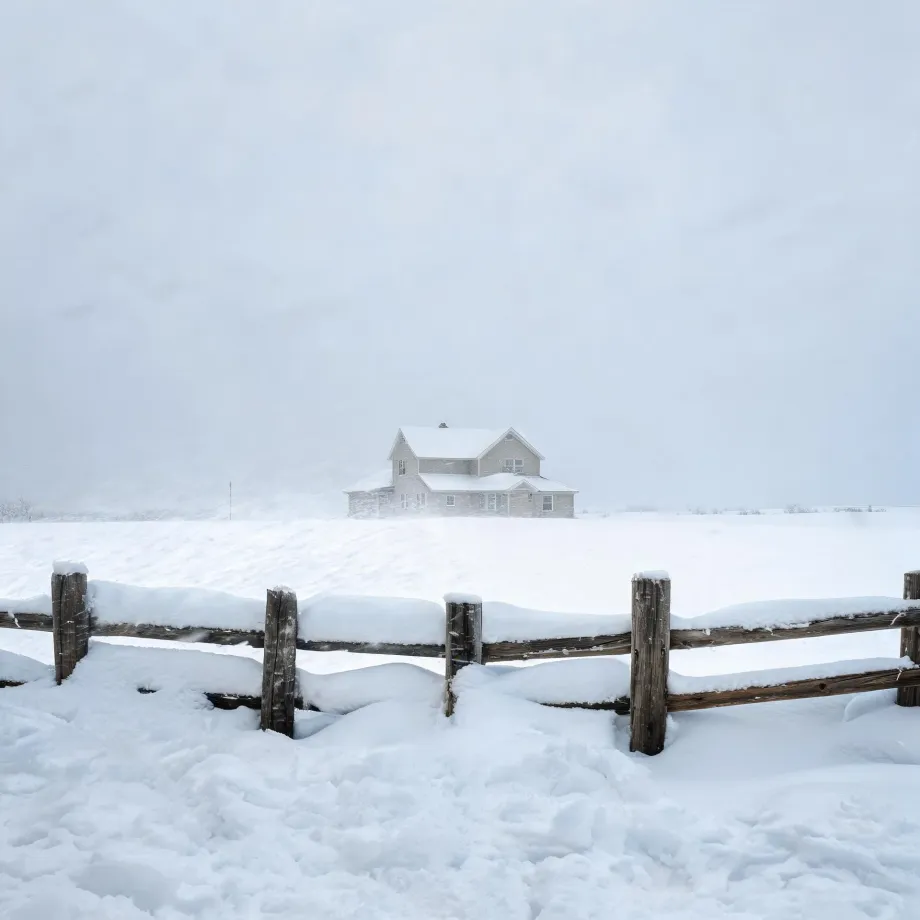
On a repair call, a contractor working a heat pump here traces wear to the parts that cycle hardest through cold months: the refrigerant circuit, the reversing valve, and the compressor. Homes in Scotts Bluff County, NE run heat about eight months a year, from October through May. Capacity in a heat pump drops as outdoor temperatures fall, so the compressor runs longer and harder in the depths of winter than the nameplate suggests it would. A refrigerant leak that might sit unnoticed in a milder place shows up quickly here, because the system is already working near its limits when temperatures slide. The reversing valve takes the load every time the system switches between heating and cooling, and a marginal valve fails at the season's edges when the demand on it changes direction.
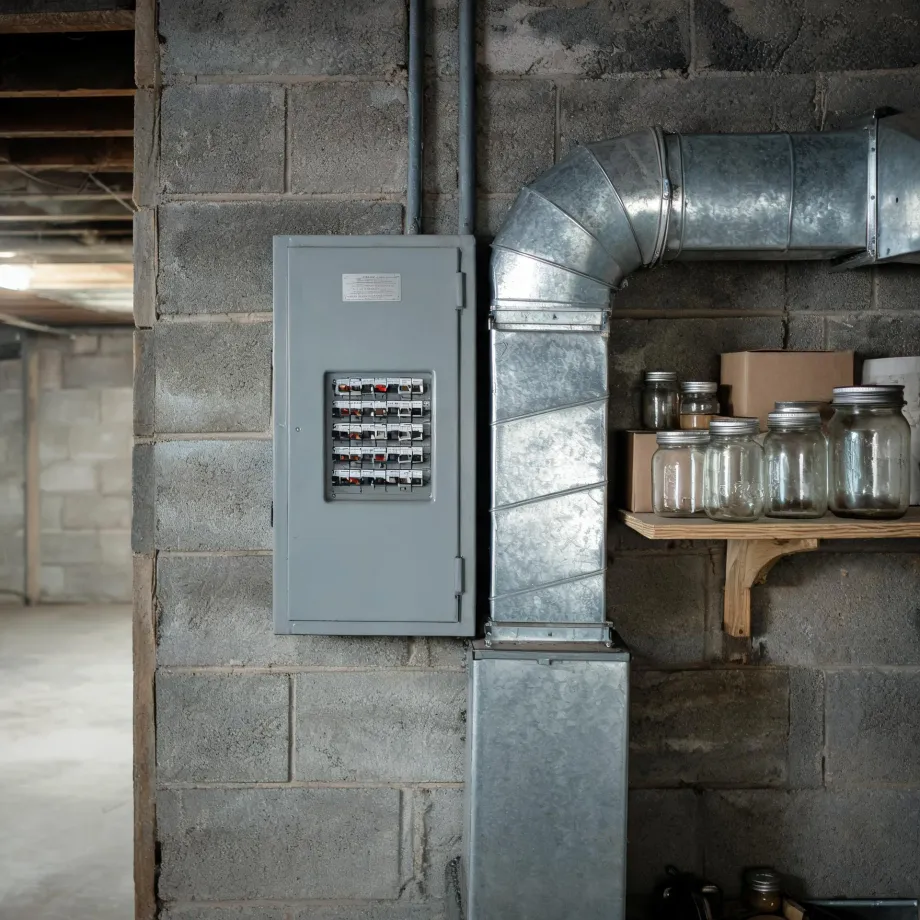
Ductwork sized and routed for an older system, then adapted more than once since, shapes what a contractor finds when a heat pump repair opens up. Half the homes in Scotts Bluff County, Nebraska were built in 1969 or earlier (2020-2024 ACS 5-year). A system installed into a house that age has often been the second or third piece of equipment to run in that space, which means the refrigerant circuit, the control wiring, and the electrical connections may reflect choices made at each swap rather than a single clean install. When a part fails, the question a contractor has to answer is whether a replacement is still manufactured for that configuration, or whether what is inside the cabinet has drifted far enough from its original spec that sourcing becomes the job.
The Parts of a Heat Pump a Contractor Checks First
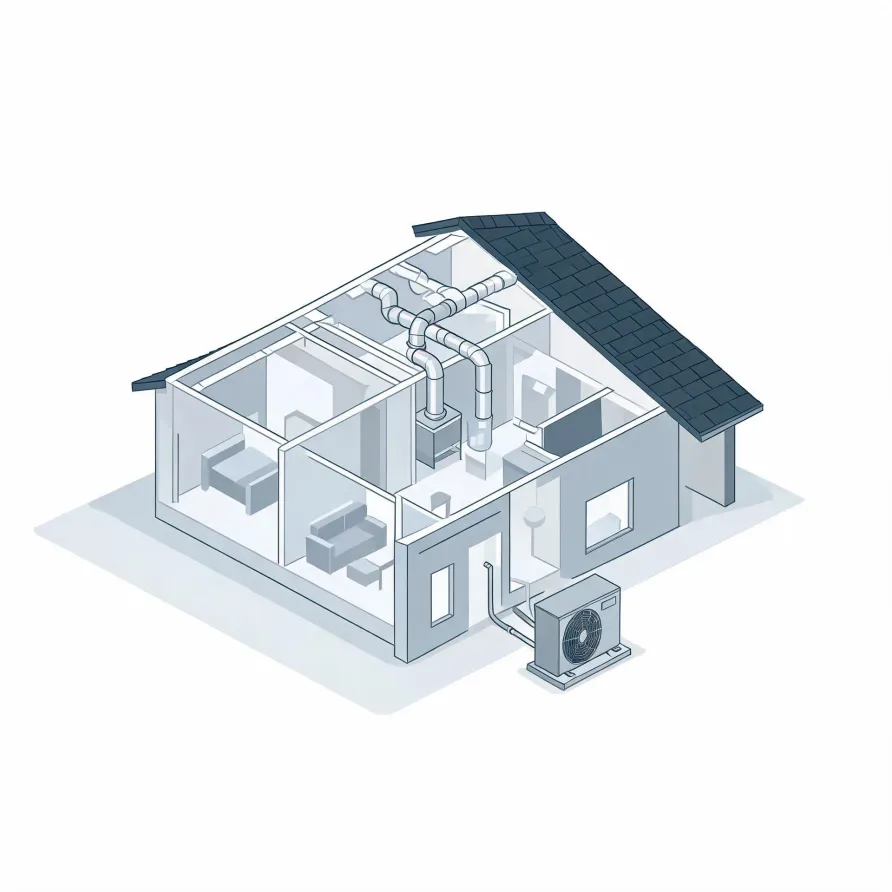
The outdoor unit sits on a pad beside the house and holds the compressor and the condenser coil. These are the pieces a contractor reaches first when a heat pump stops heating or cooling. A failed compressor, a refrigerant leak at the coil, or a seized fan motor in that cabinet accounts for a large share of repair calls.
Inside the house, the air handler hangs in a closet, attic, or utility room and moves conditioned air through the home. The reversing valve, which lives inside the outdoor unit, tells the system which direction to run. The expansion valve and the refrigerant lines connecting both units are also points a contractor traces when the system runs but does not perform.
The drawing shows the general layout of a heat pump system, and a licensed contractor determines which components apply to your specific house and situation.
Find a contractor in Scotts Bluff CountyScotts Bluff County, by the numbers
346 severe weather events were recorded in Scotts Bluff County, Nebraska between 2015 and 2024.
NOAA National Centers for Environmental Information, Storm Events Database, bulk CSV export, events 2015-01-01 through 2024-12-31.Half the homes in Scotts Bluff County, Nebraska were built in 1969 or earlier (2020-2024 ACS 5-year).
U.S. Census Bureau, 2020-2024 American Community Survey 5-Year EstimatesScotts Bluff County, Nebraska holds 16,480 housing units (2020-2024 ACS 5-year).
U.S. Census Bureau, 2020-2024 American Community Survey 5-Year EstimatesOwners occupy 69.3% of the occupied homes in Scotts Bluff County, Nebraska (2020-2024 ACS 5-year).
U.S. Census Bureau, 2020-2024 American Community Survey 5-Year EstimatesRules & Standards for Heat Pump Repair in Scotts Bluff County, Nebraska1 sourced rules and standards
Licensing and Legal Requirements in Scotts Bluff County, Nebraska
Nebraska requires registration rather than a licence: a contractor must be registered with the Department of Labor before performing any construction work, though anyone earning less than five thousand dollars a year from construction services is not a contractor under the Act at all.
Severe Weather Events in Scotts Bluff County
Extreme weather puts heat pumps under load at the worst possible moments, and that stress adds up over time. How hard local conditions push the equipment shapes what repair work looks like in Scotts Bluff County.
346 severe weather events, 2015–2024. Source: NOAA National Centers for Environmental Information, Storm Events Database.