Tell us about the job
Takes about a minute. No obligation.
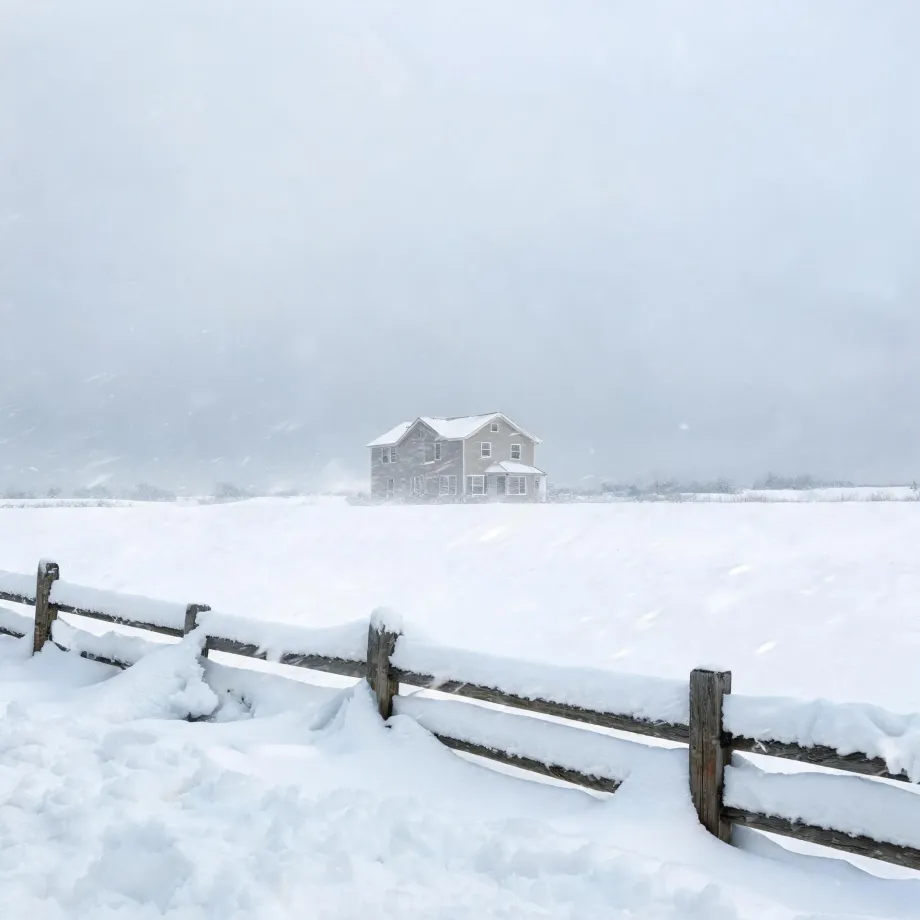
A heat pump repair in Jefferson County starts with the compressor and the reversing valve, because those are the parts working against falling outdoor temperatures every winter. Homes in Jefferson County, NE run heat about eight months a year, from October through May. As outdoor air gets colder, a heat pump's capacity drops, so the compressor compensates by running longer and harder cycles late in the season. A contractor diagnosing a struggling unit here checks whether the compressor is drawing the current it should, whether refrigerant charge is holding, and whether the defrost cycle is clearing the coil reliably. Those are the components that accumulated the wear.
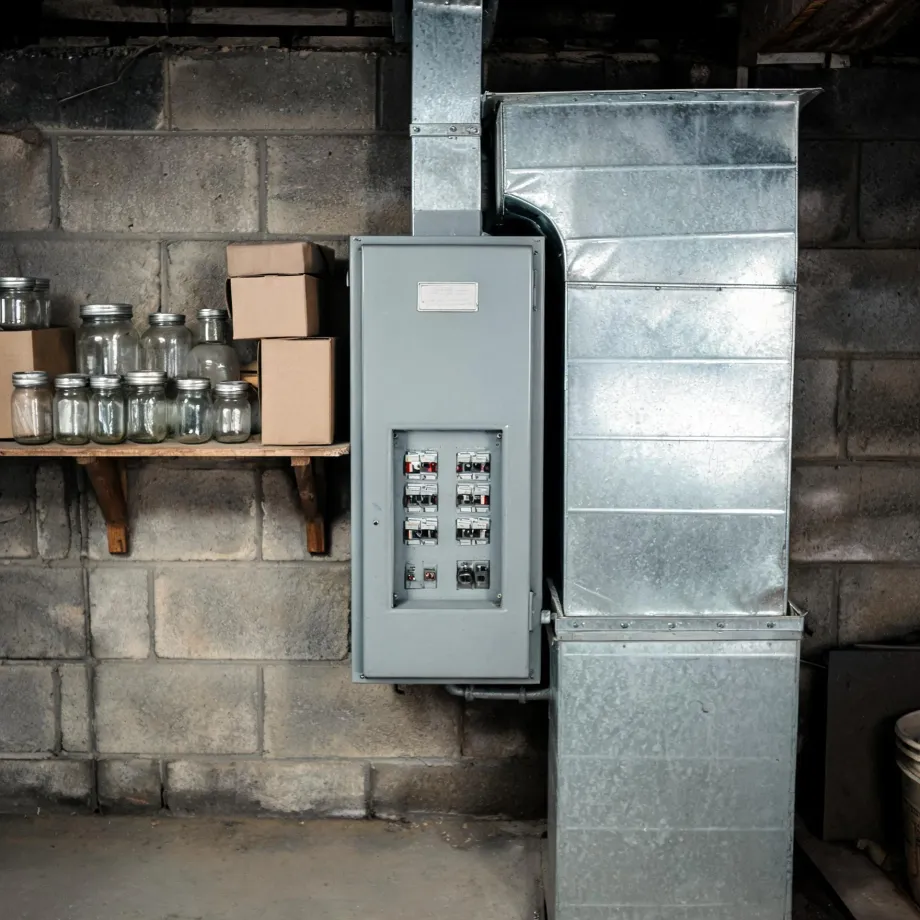
Ductwork that has been spliced, re-routed, and adapted across multiple equipment cycles tells a contractor something specific before a single component is tested: whatever the fault is, the system sitting inside it has been running against infrastructure shaped for something earlier. Half the homes in Jefferson County, Nebraska were built in 1955 or earlier (2020-2024 ACS 5-year). That gap is where heat pump repair gets complicated. A contractor pulling a blower motor or a reversing valve in a house like this has to confirm the replacement part is still in production and still fits the assembly, because what the opened unit requires and what distributors carry are not always the same answer.
The Parts of a Heat Pump a Contractor Checks First
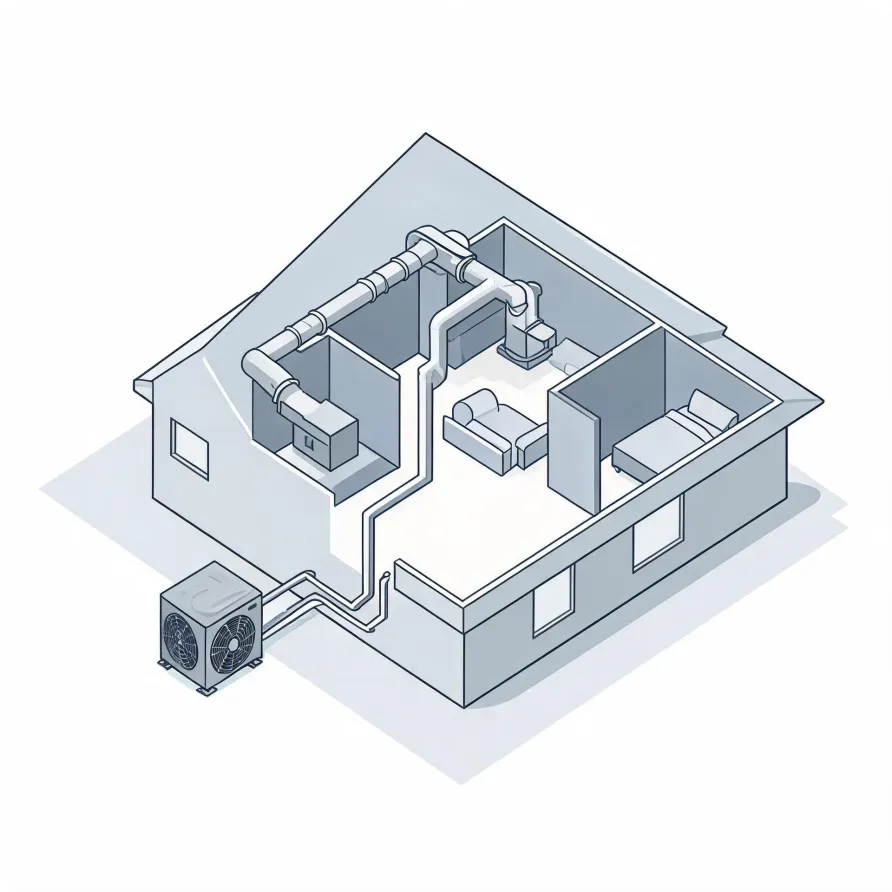
The outdoor unit sits on a pad beside the house and holds the compressor and condenser coil, which are the first things a contractor looks at when a heat pump stops heating or cooling properly. The compressor pressurizes the refrigerant; when it fails, the system runs but moves no heat. The condenser coil wraps around the inside of that cabinet, and a bent or dirty coil shows up as the same symptom.
Inside the house, the air handler holds the evaporator coil and the blower fan, both of which a contractor checks when airflow is weak or the indoor temperature won't hold. The reversing valve sits in the refrigerant line and is what lets a heat pump shift between heating and cooling modes; a stuck valve is a common reason a system works in one mode but not the other. The expansion valve and refrigerant lines connect the two units and are checked for leaks or restriction when neither coil is the problem.
The drawing shows the general layout of a heat pump system, and a licensed contractor determines which components and conditions apply to your specific house.
Find a contractor in Jefferson CountyJefferson County, Nebraska, by the numbers
142 severe weather events were recorded in Jefferson County, Nebraska between 2015 and 2024.
NOAA National Centers for Environmental Information, Storm Events Database, bulk CSV export, events 2015-01-01 through 2024-12-31.Half the homes in Jefferson County, Nebraska were built in 1955 or earlier (2020-2024 ACS 5-year).
U.S. Census Bureau, 2020-2024 American Community Survey 5-Year EstimatesJefferson County, Nebraska holds 3,679 housing units (2020-2024 ACS 5-year).
U.S. Census Bureau, 2020-2024 American Community Survey 5-Year EstimatesOwners occupy 74.9% of the occupied homes in Jefferson County, Nebraska (2020-2024 ACS 5-year).
U.S. Census Bureau, 2020-2024 American Community Survey 5-Year EstimatesRules & Standards Governing Heat Pump Repair in Jefferson County, Nebraska1 sourced rules and standards
Licensing and Legal Requirements for HVAC Repair in Jefferson County, Nebraska
Nebraska requires registration rather than a licence: a contractor must be registered with the Department of Labor before performing any construction work, though anyone earning less than five thousand dollars a year from construction services is not a contractor under the Act at all.
Severe Weather Events in Jefferson County
Hard weather puts heat pump systems under stress, and how much stress depends on where the equipment runs. Repair needs in Jefferson County track local conditions, so the weather record here is part of the picture.
142 severe weather events, 2015–2024. Source: NOAA National Centers for Environmental Information, Storm Events Database.