Tell us about the job
Takes about a minute. No obligation.
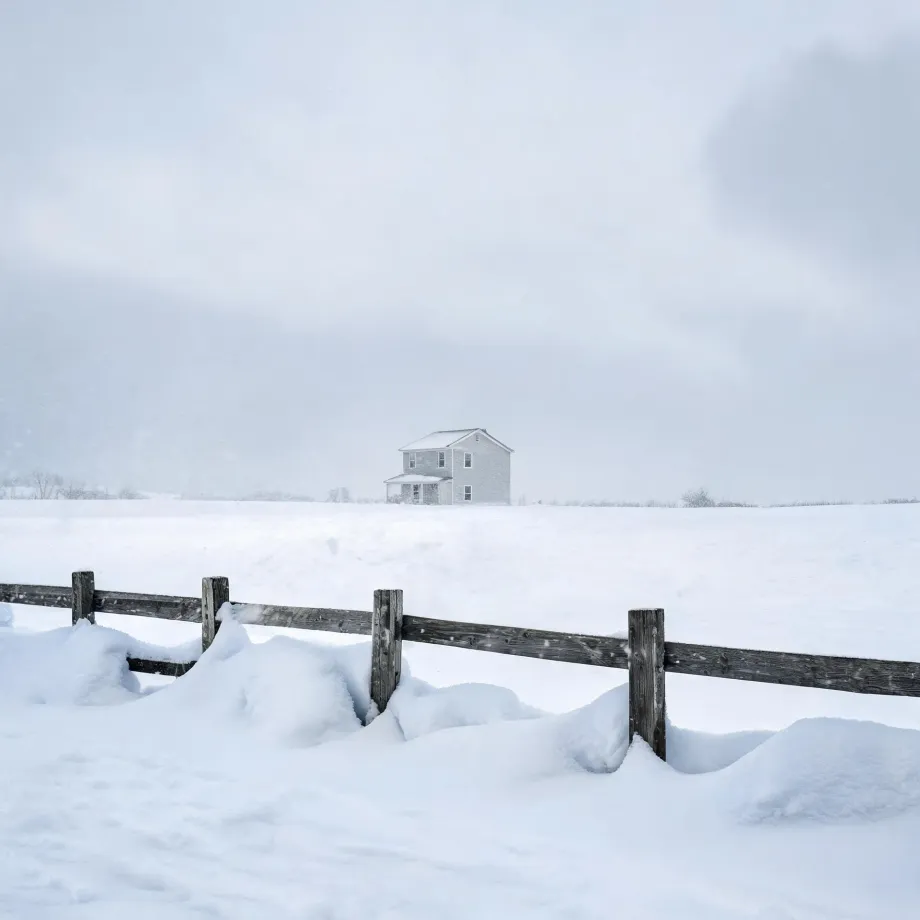
A heat pump running a full heating season puts its reversing valve and compressor through cycles that accumulate wear on every start and stop. Homes in Custer County, NE run heat about eight months a year, from October through May. Cold outdoor air pulls capacity out of a heat pump, so the compressor works harder at exactly the point in the season when temperatures drop lowest. A contractor diagnosing a repair here checks the refrigerant charge and the reversing valve early, because those are the components the heating load stresses first. A unit that was undersized at install shows that stress sooner.
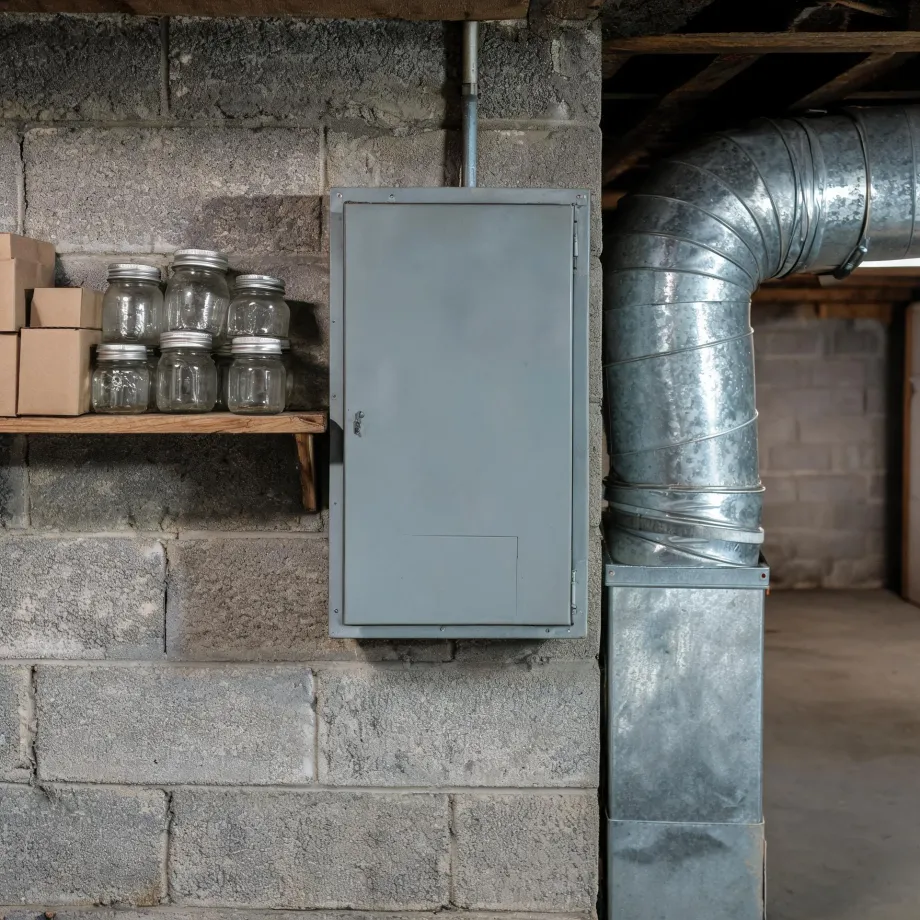
Ductwork put in for one kind of system and later adapted for another is what a contractor runs into repeatedly in stock this old. Half the homes in Custer County, Nebraska were built in 1958 or earlier (2020-2024 ACS 5-year). That gap between what the house was originally built to carry and what runs in it now shows up inside the repair, not just around it: flex connections, transitions, and return configurations that a heat pump tolerates but that push it harder than they should. When a technician opens the unit and finds a refrigerant or airflow problem, the ductwork upstream is often where the pressure on that part was coming from.
The Parts of a Heat Pump a Contractor Checks First
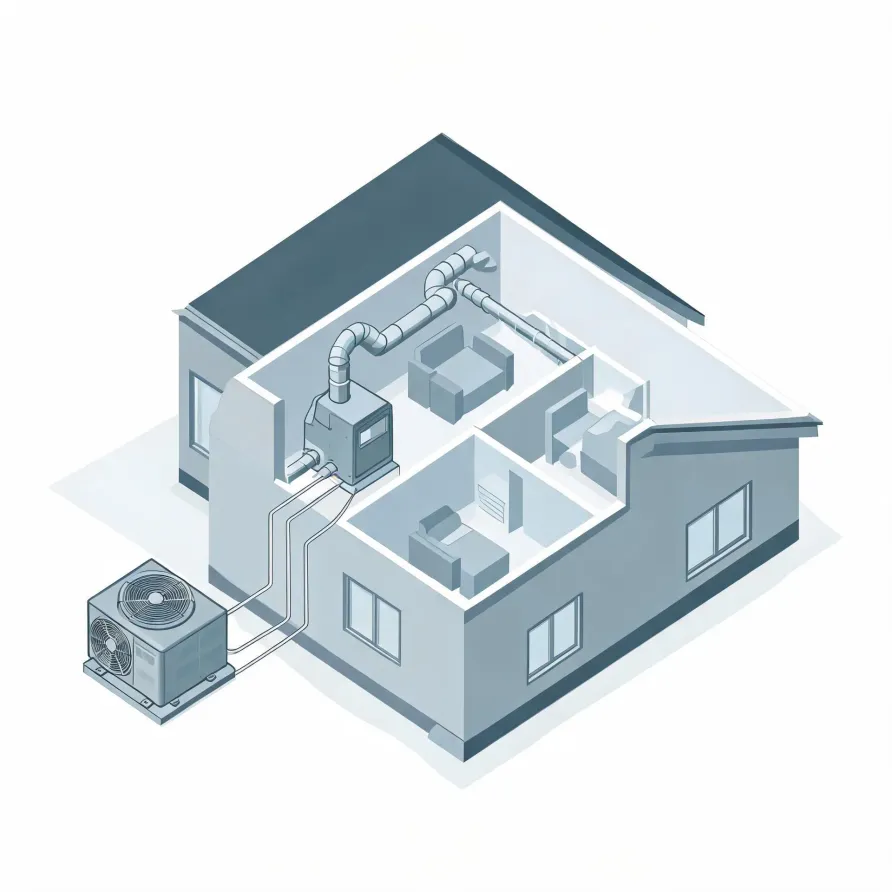
The outdoor unit sits outside the house and holds the compressor and the condenser coil. These are the parts a contractor goes to early, because the compressor is what moves the refrigerant through the whole system and a fault there stops everything. The condenser coil sheds or pulls heat depending on the season, and bent fins or refrigerant loss show up here.
Inside, the air handler holds the evaporator coil and the blower. The evaporator coil is where the refrigerant does its work on the air, and a leak or a frozen coil will show its effects there first. The expansion valve, which meters refrigerant between the two coils, and the reversing valve, which switches the system between heating and cooling, sit within the refrigerant circuit and are checked when symptoms point to them.
The drawing shows a general layout of these components, and a licensed contractor determines which parts apply and what work is needed in your specific home.
Get matched in Custer CountyCuster County, Nebraska, by the numbers
347 severe weather events were recorded in Custer County, Nebraska between 2015 and 2024.
NOAA National Centers for Environmental Information, Storm Events Database, bulk CSV export, events 2015-01-01 through 2024-12-31.Half the homes in Custer County, Nebraska were built in 1958 or earlier (2020-2024 ACS 5-year).
U.S. Census Bureau, 2020-2024 American Community Survey 5-Year EstimatesCuster County, Nebraska holds 5,334 housing units (2020-2024 ACS 5-year).
U.S. Census Bureau, 2020-2024 American Community Survey 5-Year EstimatesOwners occupy 68.9% of the occupied homes in Custer County, Nebraska (2020-2024 ACS 5-year).
U.S. Census Bureau, 2020-2024 American Community Survey 5-Year EstimatesHeat Pump Repair Rules for Custer County, Nebraska1 codes, standards, and regs
Licensing Rules for HVAC Repair in Custer County, Nebraska
Nebraska requires registration rather than a licence: a contractor must be registered with the Department of Labor before performing any construction work, though anyone earning less than five thousand dollars a year from construction services is not a contractor under the Act at all.
Severe Weather Events in Custer County
Extreme weather puts heat pumps under strain, and how hard a system works over time is shaped by the conditions it runs in. Repair needs in Custer County reflect that local load.
347 severe weather events, 2015–2024. Source: NOAA National Centers for Environmental Information, Storm Events Database.