Can a heat pump keep up in a Nebraska winter

A local installer who puts in heat pumps gets your project.

Get a heat pump pro

Can a heat pump keep up in a Nebraska winter?

Winters here get cold enough that you've probably heard a heat pump can't handle it, or you've noticed warm air coming out that doesn't feel quite warm enough. You keep the house comfortable for the people in it, so that matters. With most homes around you heating with gas, it's a fair question whether a heat pump is even the right call once temperatures drop hard.

Yes, but it needs backup for the coldest stretches

A heat pump moves heat from outside air into your house, and the colder that air gets, the less heat there is to move. Once outdoor temperatures fall into the teens and below, which happens plenty in Nebraska from December through February, most heat pumps lose enough capacity that they can't keep the house at temperature on their own. That's why a correctly installed system pairs the heat pump with a backup heat source, usually electric resistance coils or a gas furnace, that kicks in automatically on the coldest days. With that backup sized right for your home, the heat pump handles the mild and moderate days efficiently, and the backup covers the rest. Installed without that pairing, you'll notice it the first hard freeze.

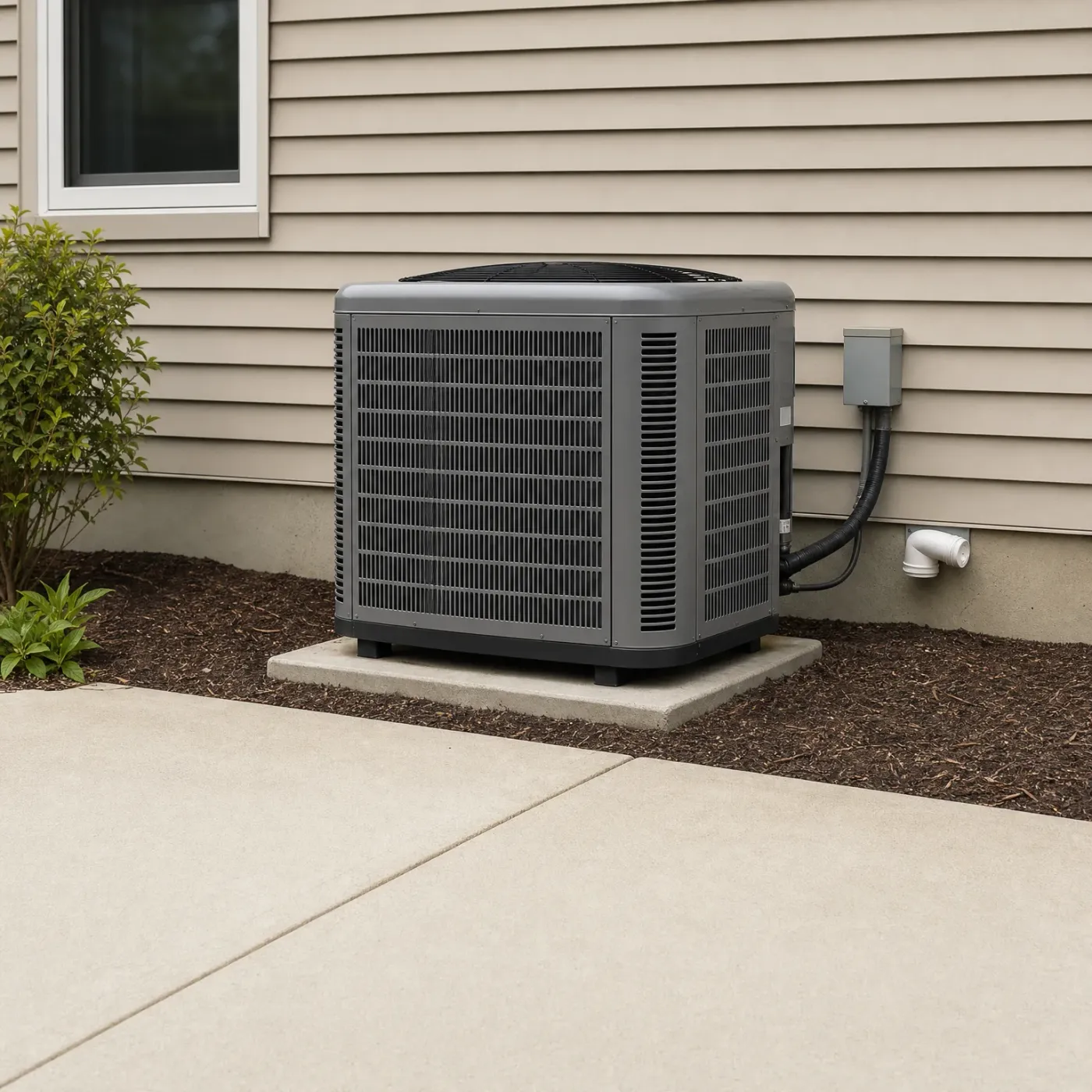
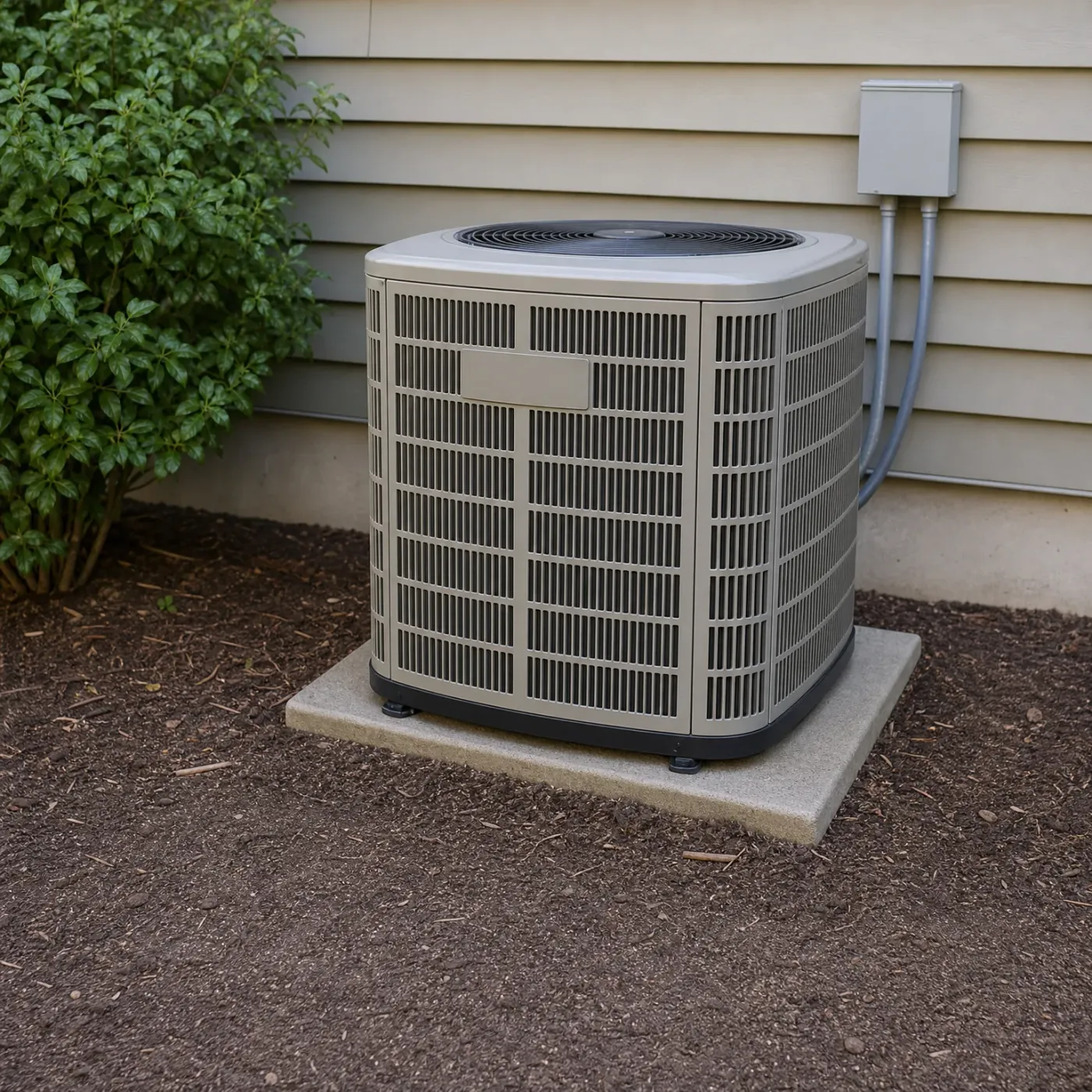
A gray outdoor condenser unit on a concrete pad beside a beige vinyl-sided house, with a wall-mounted disconnect box, flexible conduit, mulch bed, shrubs and a concrete walkway in front.

Running clean and sized right

A heat pump that's clear of leaves and grime and matched to your house will keep pulling heat out of the cold air down into the single digits. The gray unit here has open coils and a clean top panel, so air moves through it the way it's supposed to.

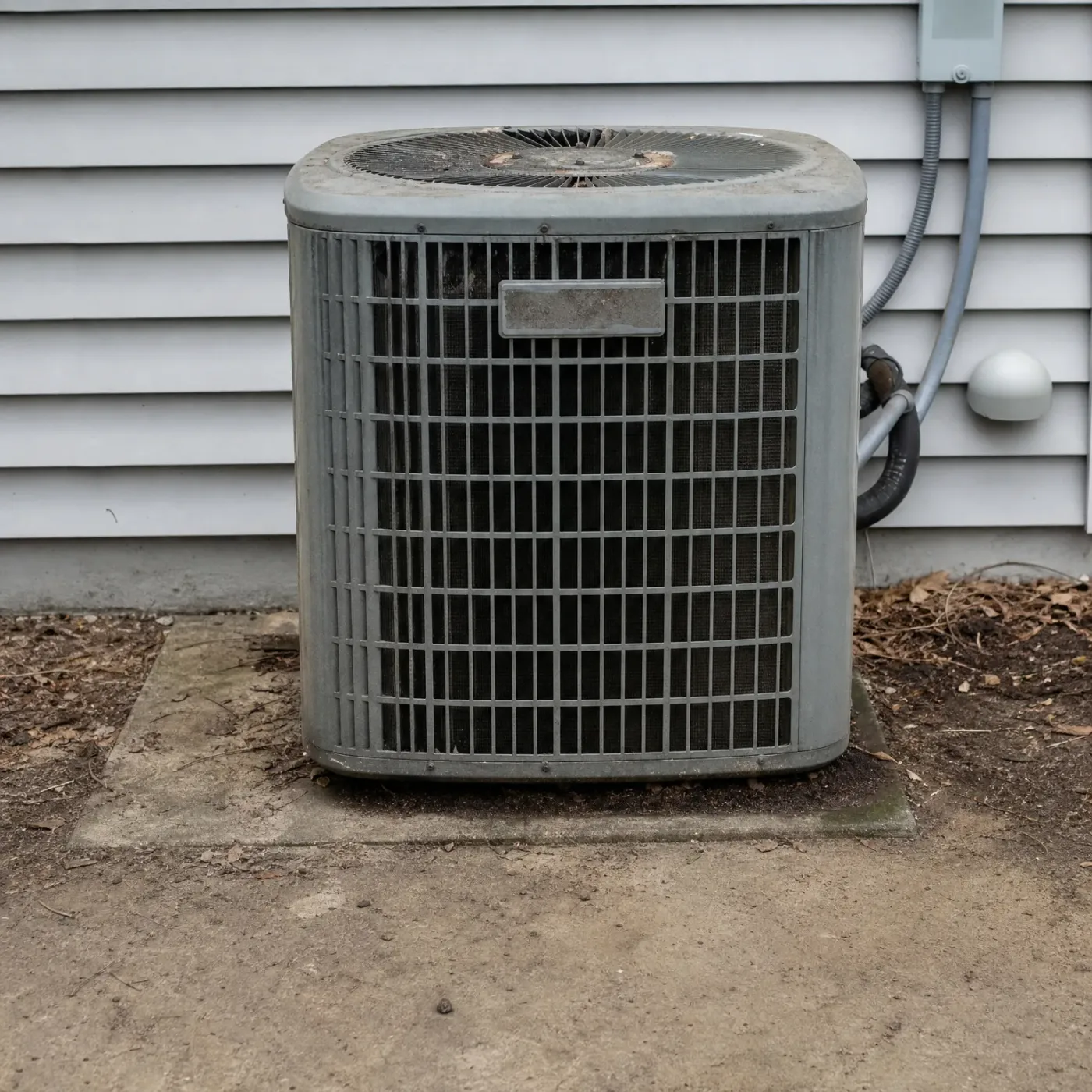
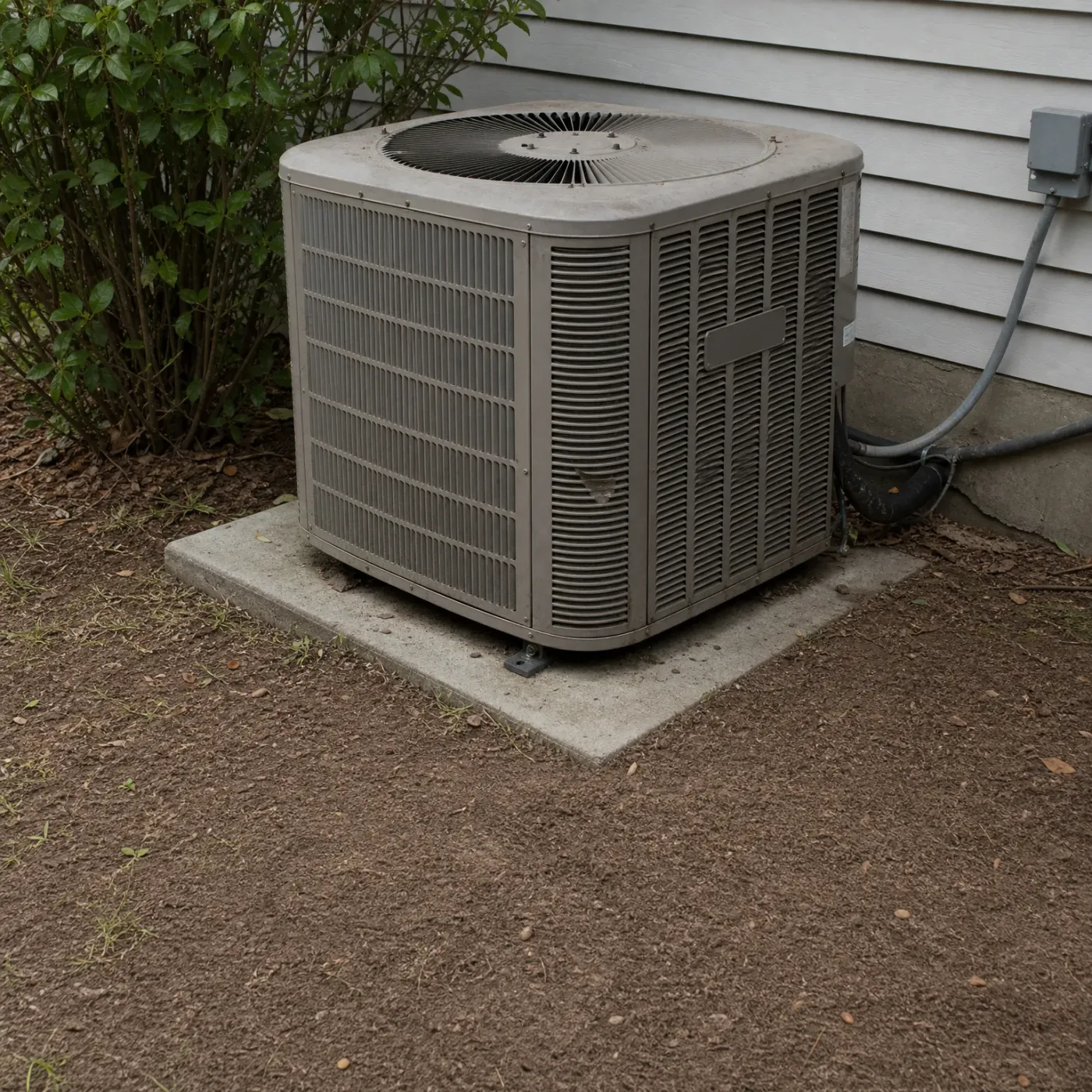
A weathered gray outdoor condenser unit on a concrete pad beside a house with horizontal vinyl siding, with conduit, refrigerant lines, and an electrical disconnect box on the wall behind it.

Clogged, old, and losing ground

Dust packed into the grille and leaves piled against the base choke the airflow a heat pump depends on. An older unit already runs harder to hit the same temperature, and once it's buried in debris like this one, Nebraska's cold will find the gap first.

A woman stands in the open black front door of a white-sided house with a dark shingled roof while a man in a navy jacket approaches along the walkway, with lantern wall lights, a potted shrub, and flowering garden beds nearby.

What a cold snap means for your thermostat

When the temperature drops into the single digits, you'll likely see the auxiliary heat kick on to help the heat pump keep up. That's normal. What's not normal is a house that stays cold anyway, or a system that runs constantly and never seems to catch up. That usually means the unit is undersized for your house, low on refrigerant, or losing ground to a dirty coil. Any of those will show up on your gas and electric bill before you notice it by hand in front of a vent.

A heat pump installed for your house, not just any house in Nebraska, is what keeps a hard January night from becoming a problem. A local contractor who installs these year after year in this kind of cold knows what size and setup actually holds up here, and when you're matched with one, it's a single contractor reaching out to you about your house, not a handful of companies competing for the job.

Interior corner of a dining room with a round wooden table, a ceramic vase holding olive branches, a dark spindle-back chair near a curtained window, and a sideboard with a lamp against beige walls.
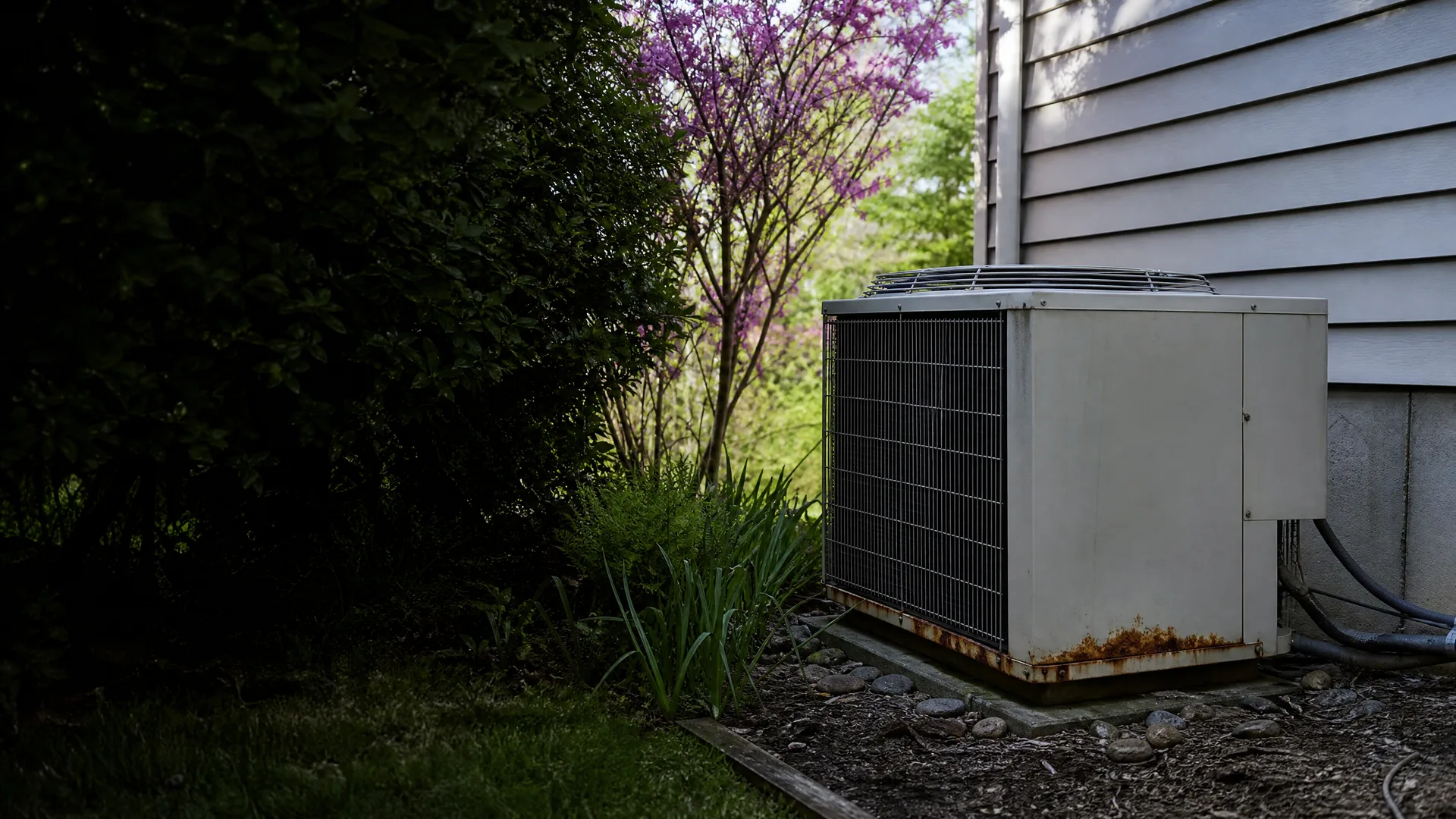
An outdoor air conditioning condenser unit with rust streaks sits on a concrete pad beside a light-colored lap-sided house, surrounded by shrubs, gravel and a flowering tree.

You walk out to check on the unit on a mild spring afternoon, the kind of day that makes you forget January was ever hard on it. Rust has crept along the base of the cabinet, and a couple of the fins near the bottom look bent in from last winter's wind. It ran the whole season to keep everyone warm, and it shows. You start wondering whether it's still pulling its weight or just getting by, and whether a straight answer is worth a call before next winter sets in. A local contractor who services this equipment every season would know what that rust is telling you, and what it isn't.


A pro who works on heat pumps

One installer gets your project, so there's no bidding war over it.

Sending the form costs nothing.

How a heat pump makes heat in the cold

A heat pump doesn't burn anything to make heat. It pulls heat out of the outdoor air, even when that air feels too cold to give up any, and moves it inside. The colder it gets outside, the harder the unit has to work to pull out the same amount of heat, so it runs longer and pulls more heat per cycle to keep the house at temperature. That's why a heat pump sized for your house can still carry it through a single-digit night. It's doing the same job it does in October, just working harder at it.

Why gas is still the backup here

Most houses around you heat with gas, and that's part of why a lot of heat pump setups here pair with a gas furnace as backup instead of electric strip heat. When the outdoor air gets cold enough that the heat pump can't pull heat fast enough on its own, the furnace takes over for that stretch and the heat pump steps back. Power here is cheap enough that straight electric backup works fine too. Either way, the heat pump still carries most of the season on its own before backup is needed at all.

A woman with long wavy brown hair in a grey ribbed sweater sits on a couch indoors, looking toward a window, with a potted palm-like plant and fireplace behind her.
A woman with long brown hair wearing a green V-neck top and beige cardigan sits on a light sofa, looking off to the side, with a dining table, lamp and framed picture in the background.
A woman with long dark hair in a cream knit sweater sits on a beige sofa indoors, looking toward a bright window with a houseplant and framed picture in the background.
A woman with long dark hair in a green knit sweater sits on a couch indoors, smiling and looking toward a window with a blurred room behind her.

The outdoor unit isn't just blowing air around. A reversing valve inside it decides which coil is absorbing heat and which one is releasing it, and that's what lets the same unit heat your house in January and cool it in July. When frost builds up on the outdoor coil, the system pauses itself, runs warm refrigerant backward through that coil to melt the ice, then switches back to heating. You might catch steam coming off the unit during that pause. That's the frost leaving, not a sign of trouble. On colder days the compressor works harder, pulling more refrigerant through the system to make up for the heat loss outside. If it still can't keep the house at temperature, heat strips inside the air handler switch on to help. Those strips should only be filling a gap, not doing the job alone. If your thermostat is ever set to emergency heat, the outdoor unit shuts off completely and the strips carry the whole load, which a heat pump that's working right shouldn't need for long.

Inside the system on a cold day

  • The outdoor unit's reversing valve switches the refrigerant flow so the coil that releases heat indoors is the same one that absorbs it outdoors in summer.
  • A defrost cycle runs automatically when frost builds on the outdoor coil, briefly reversing the system so warm refrigerant melts the ice before heating resumes.
  • During defrost you may see steam rise off the outdoor unit, which is normal and just means the coil is shedding the frost it collected.
  • The compressor varies its speed on newer units, pulling more refrigerant through the system as the outdoor temperature drops to keep output steady.
  • Auxiliary heat strips sit in the indoor air handler and switch on only when the heat pump alone can't keep up with the heat loss outside.
  • A thermostat set to emergency heat shuts the outdoor unit off entirely and runs only the backup heat strips, which a working heat pump should never need for long.
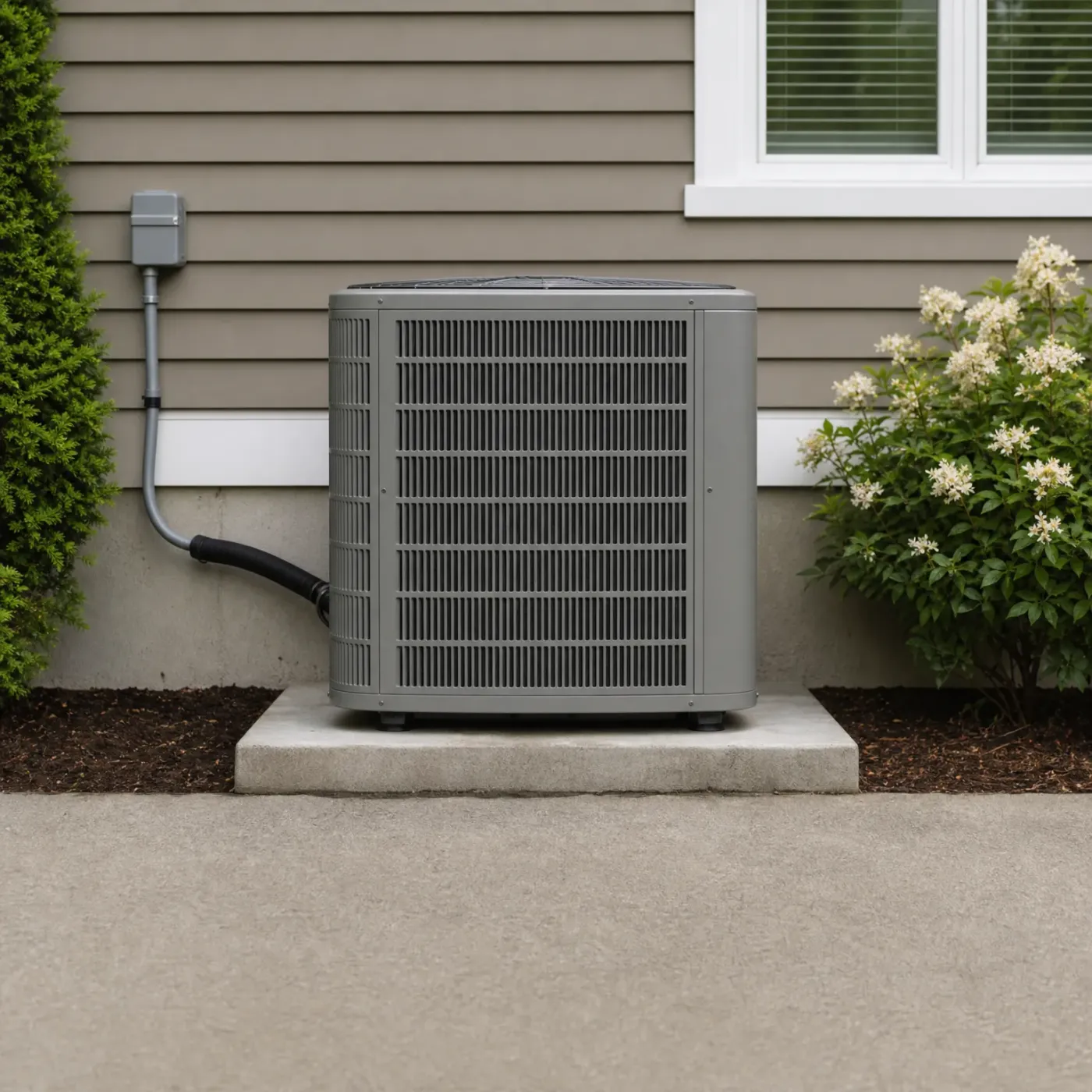
A gray outdoor condenser unit on a concrete pad beside a house with horizontal lap siding, a conduit and disconnect box on the wall, a shrub with white flowers at right and evergreen foliage at left.
A clean coil like this one gives up heat to the refrigerant easily, even when the air outside is cold.
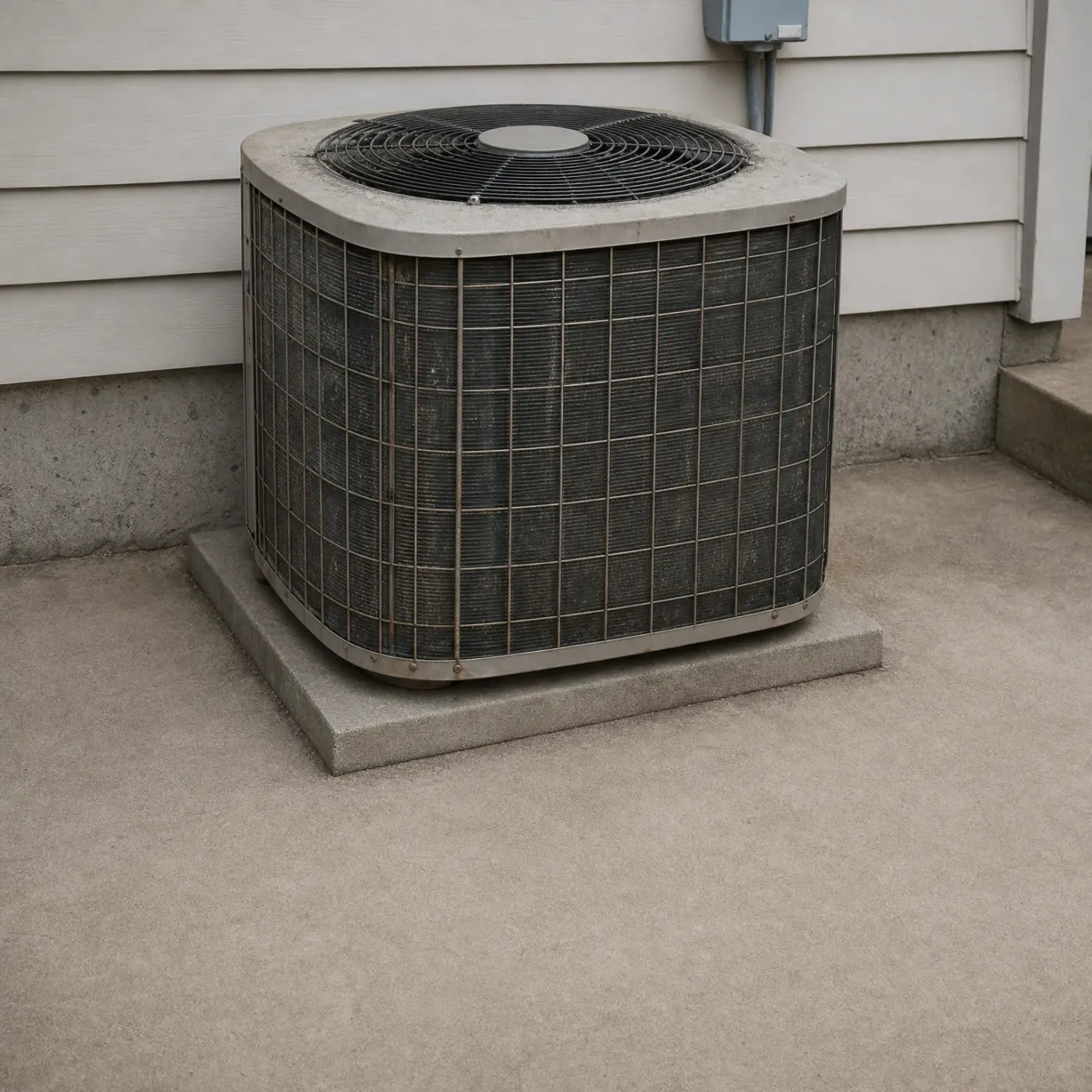
An outdoor air conditioning condenser unit with a top fan grille sits on a concrete pad beside a house with horizontal siding and a concrete step.
Coils caked with dust and grime like this trap heat instead of releasing it, and the unit falls behind in a cold snap.
  1. Refrigerant inside the outdoor coil absorbs heat from the cold air.

  2. Compressor squeezes the refrigerant, raising its temperature further.

  3. Hot refrigerant moves inside and releases heat through the indoor coil.

  4. Blower pushes that heated air through your ducts into the house.

A smiling older woman with gray shoulder-length hair in a cream cable-knit turtleneck sweater stands behind a wooden board holding a round loaf of bread, in a warmly lit kitchen with a dark window and shelves behind her.
A woman and a child wrapped together in a knitted gray blanket on a couch, with the child's head resting on her shoulder and a lit table lamp and houseplant in the background.

Power costs 12.05 cents per kilowatt-hour statewide

At 12.05 cents a kilowatt-hour, running your heat pump through a Nebraska winter costs less than most people expect, since gas has been the default here. That matters when the aux heat kicks in during a cold snap. It's pulling from the grid, not driving up a propane or oil bill.

EIA-861 2025 statewide residential average

An outdoor air conditioner condenser unit on a concrete pad beside a house with horizontal lap siding, with a shrub to the left, bare dirt in front, and conduit and a metal disconnect box on the wall.
Before you get your heat pump installation
A beige outdoor air conditioning condenser unit on a concrete pad beside a house with horizontal vinyl siding, with refrigerant lines and a disconnect box on the wall, surrounded by dark mulch and a green shrub at left.
After you get your heat pump installation
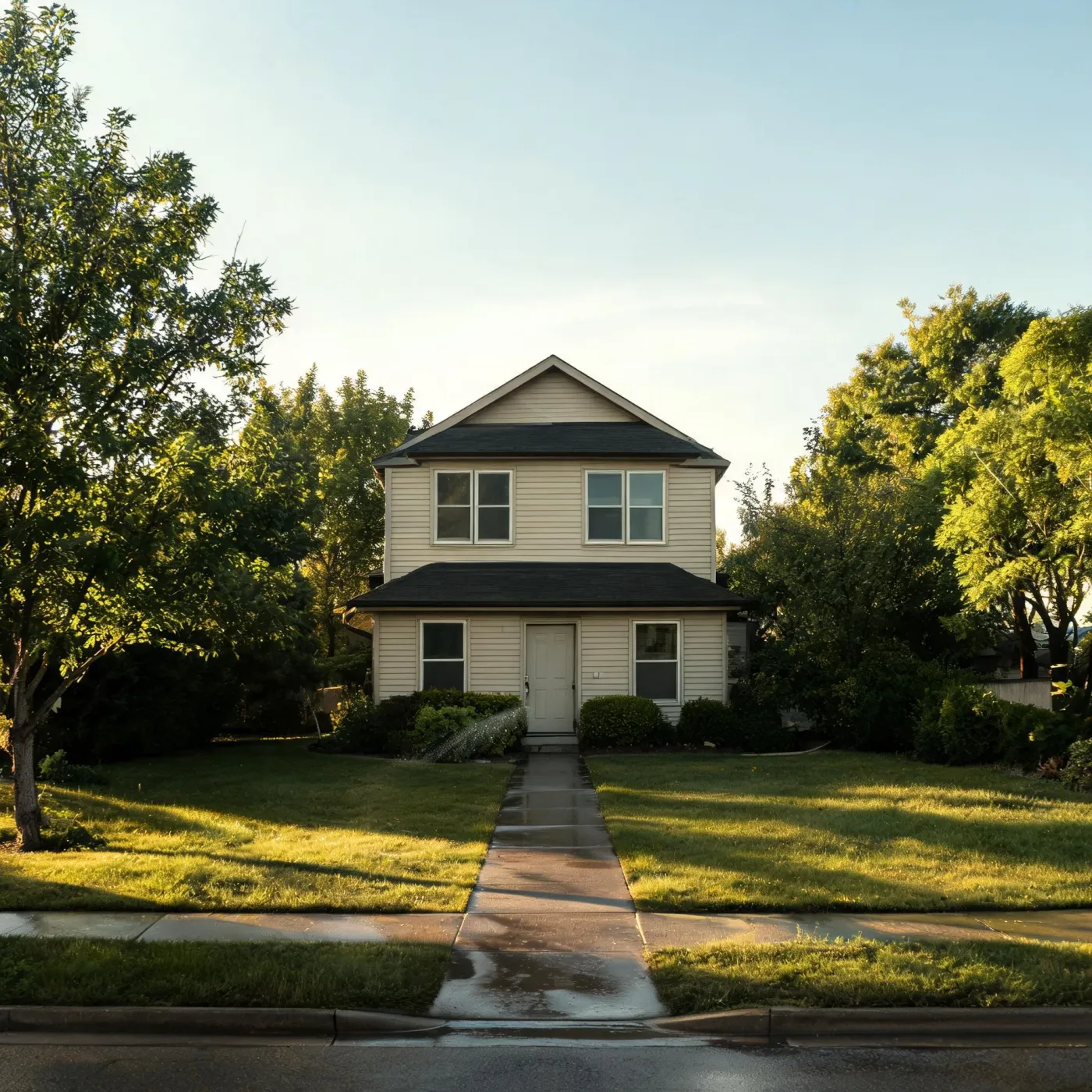
A two-story house with cream horizontal siding, a dark gabled roof, and a white front door, fronted by a lawn, shrubs, and a concrete walkway leading to a sidewalk and street, with large leafy trees on both sides.

Summer here isn't just hot, it's heavy. Averaged across June, July and August, the dew point in Nebraska runs 61°F, per NOAA. Air that sticky holds a lot of moisture, and your heat pump's job isn't only to cool it, it's to pull that moisture out too. On the muggiest days, the system runs longer to do both, and you'll notice it: the air coming off the vents feels cooler but the house still feels a little damp until the unit catches up. A heat pump that's sized right and running clean handles that load without falling behind.

NASA POWER T2MDEW county cells weighted by homes

A heat pump can keep up in a Nebraska winter, as long as it's sized right, running clean, and backed up by aux heat for the coldest stretches. Where it falls short usually traces back to one of those three things, not to the cold itself. If you're not sure which one applies to your system, that's worth having someone look at before the next cold snap rather than during one. A local contractor who services heat pumps all winter has likely already seen whatever your unit is dealing with, whether that's a coil that needs cleaning, a system that was never matched to your house, or an aux heat setup that isn't kicking in the way it should. You'll be connected with one contractor local to you, not a handful competing for your call, so the person who reaches out is someone who actually knows this equipment and can speak to your situation directly.

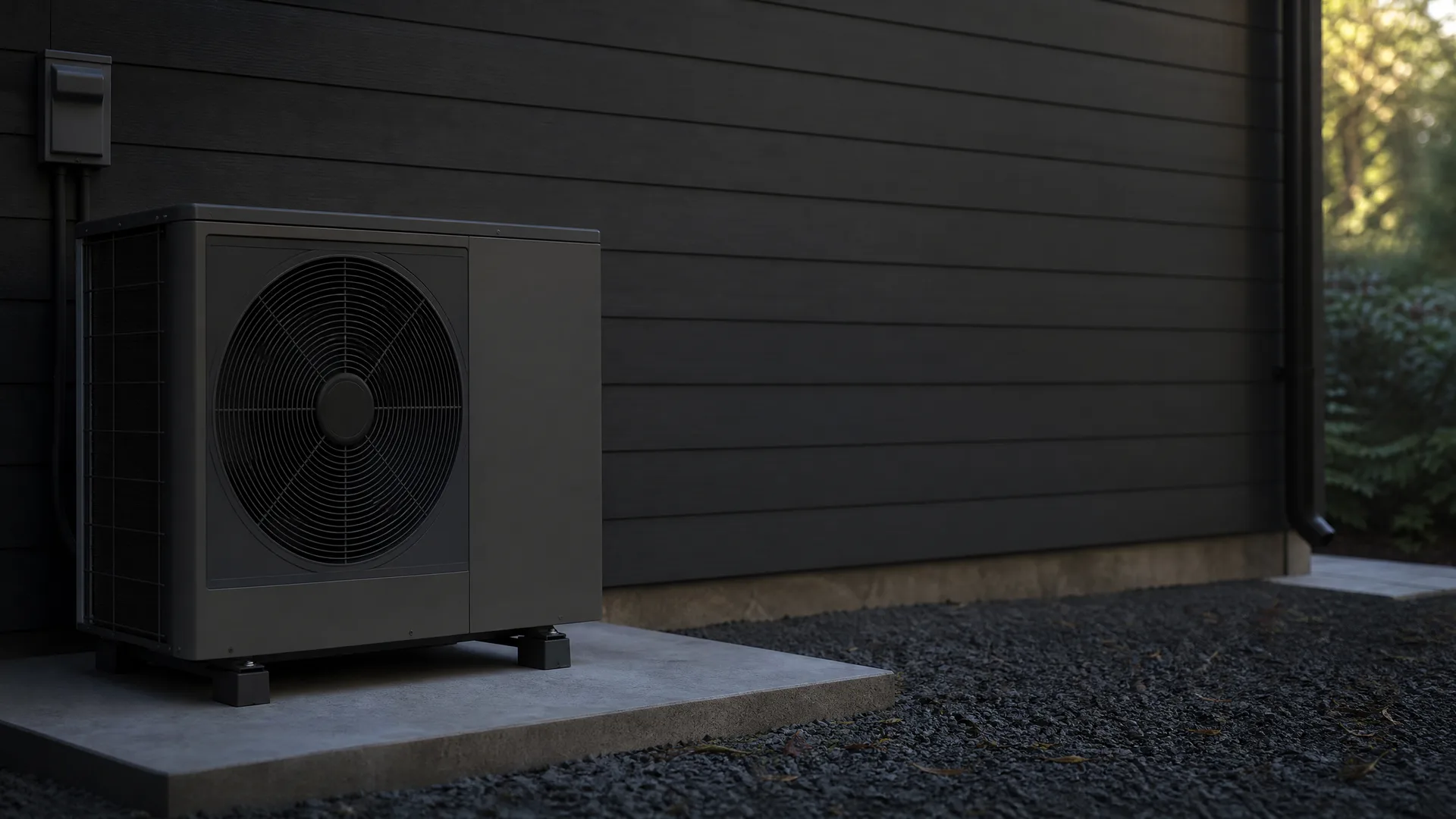
An outdoor heat pump unit with a large circular fan sits on a concrete pad beside a dark horizontal-sided building, with gravel ground and green shrubs at right.

Get your heat pump to the right pro

Your request stays with one local pro.

Step 1 of 3: Equipment